
Not only artificial intelligence, hi-tech gadgets for getting in shape
Proactive technologies, steeped in Ai, eager to answer our every question. Yet, still not very useful when it comes to getting our legs moving and not just our hands on the keyboard.

Tecnologie proattive, intrise di IA, che non vedono l’ora di rispondere ad ogni nostra domanda. Eppure, ancora poco utili quando si tratta di mettere in moto le gambe e non solo le mani sulla tastiera. Pensiamo all’autunno: poca voglia di tornare a lavorare, le foto del mare ancora tra quelle più recenti nella galleria del telefono e la necessità, mentale e fisica, di alzarsi dalla scrivania. “Oggi no”, “comincio domani”, “ho troppo da fare”; e intanto i giorni passano, con il Natale che si avvicina. Può qualche gadget hi-tech far scattare nelle persone la magica scintilla del prendersi più cura di sé? Non si può negare che alcune aziende non ci provino almeno, anche perché i numeri sono in rialzo. Per gli analisti di Mordor Intelligence, il mercato dei dispositivi indossabili dedicati allo sport chiuderà il 2025 con 94.17 miliardi di dollari e una previsione di 115.57 miliardi annuali entro il 2030. Vuol dire un +4,18% di CAGR in cinque anni. E poi c’è l’IA: “Il settore sta div
The bracelet more than the smartwatch
One example above all is smartbands, which are notoriously lighter than smartwatches and therefore suitable for sporting activity. Now, even the cheaper ones, such as the Xiaomi Smart Band 10 (from €49.99), have some goodies that were once only found on more expensive products. Thanks to upgraded high-precision sensors and advanced professional algorithms, the Xiaomi Smart Band 10 offers precise health and fitness monitoring that uses reliable data to track personal fitness. The Smart Band accurately tracks key metrics such as VO₂ max, training load and recovery time, providing useful information to optimise training performance. This is where AI comes into play especially in water sports, with Xiaomi claiming that the wearable can recognise every stroke with artificial intelligence, achieving 96% accuracy in the pools.
The "pro" accessories
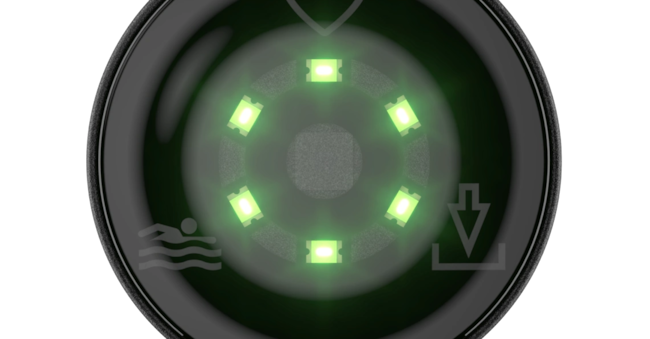
Another very useful tool is the heart rate monitor with chest strap. Although smartwatches measure the heart rate from the wrist, a chest strap, such as the Verity Sense manufactured by Polar (99.90 euros), offers a more accurate and reliable reading, which is essential for those training to improve their cardiovascular endurance and for those following zone training. This superior accuracy allows them to optimise their training intensity and avoid both overtraining and training at too low an intensity. It has a battery that promises to go for 30 hours and a clip to fit over swimming goggles for use in the pool.
With the right rhythm
For music lovers who don't want to miss out on a quality sound experience, wireless sports earphones are a game changer. Sweat-resistant and stable models such as the Beats Powerbeats Pro (€299.95) free up the clutter of cables, ensuring maximum freedom of movement. They also integrate active noise cancellation and heartbeat monitoring, with compatible information in the proprietary Android and iOS app as well as in third-party apps. The latest AirPods Pro 3 also debuted heartbeat analysis, although Apple's design is more minimalist and, for some, less suitable for sporting activities.
Did you serve or not?
Will all this training have paid off in the end? There are scales, such as the Withings Body Comp (€189.95), that don't just measure weight, but provide detailed data on body composition, from fat mass to muscle mass and water percentage. But that's not all: there's also a standing heart rate and a nerve health assessment to detect signs of peripheral neuropathy. In fact, it's like a little health app, as it also shows daily calorie intake and even the weather forecast. A subscription to the Withings+ service activates additional features, such as motivational goals, to celebrate that burst of willpower that no AI can ever unlock.

