
Not just sport: Olympics engine for Italian manufacturing
Expected spin-offs on the production chains of the territories involved and the entire country. Italia is the world's fifth largest producer of sports-related goods, with a 4% share

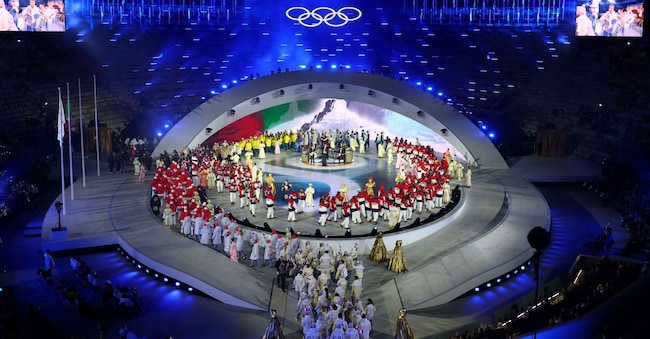
Much has been said, in the two weeks of the Milan-Cortina Winter Olympics and in the weeks leading up to their start, about the economic impact generated by this event. The figure released by the Milan-Cortina Foundation itself, approximately 5.3 billion euro, takes into account the direct effects of the Games on the territories involved (including works realised and tourist flows generated), but equally important are the medium to long-term effects on the country system, in terms of economic and social development.
Intesa Sanpaolo research
These aspects are the focus of the study 'Sport, a flywheel of development and driver of sustainable growth' carried out by Intesa Sanpaolo's Research and Studies Department, which analyses the positive returns on the made-in-Italy production chains, from those most closely linked to the sporting sphere to those of the agri-food industry or design, but also the possible impacts on the habits and lifestyles of Italians, such as the spread of sporting practices and their support by public and private entities, which are currently lower than the European average, although they are on the increase compared to the past.
'It is too early to quantify the material effects of the Olympics on Italian industry,' explains Giovanni Foresti, Head of Regional Research at the Studies and Research Department. We expect important effects, which we will progressively evaluate, especially in the territories affected by the event, i.e. Lombardy, Veneto, and Trentino-Alto Adige'. The Veneto region, in particular, sees a strong concentration of sports-related productions, from footwear and the sportsystem in Montebelluna to bicycles in Padua and Vicenza, and eyewear in Belluno. "The Olympics have given great visibility all over the world to our country and its products, with important positive repercussions in terms of image that could translate into an increase in competitiveness for our companies,' adds Foresti, pointing out that such benefits are also expected for the production districts of other territories.
Sports tourism-exports correlation
In fact, it is interesting to note that - according to the analyses carried out by Intesa Sanpaolo in the period 2019-2024 - there is a positive relationship between "the export trend by outlet market of the Montebelluna Sportsystem and the evolution of the presence of foreign tourists in the mountains of Veneto and Trentino-Alto Adige". In other words, the increase in German, American, French, Spanish and Korean tourists was accompanied by more sales of the district in these markets.
The Italian production fabric is specialised in the production of goods related to the sports supply chain, the study says: Italia is fifth in the world in this area, with a share of almost 4%, higher than the overall share of manufacturing, confirming its specialisation in the sports sector. In addition to the districts already listed, the Intesa Sanpaolo study cites other successful clusters in other areas of Italy, including bicycles in Cuneo and Bergamo, sporting goods in Forlì and Cesena, diving equipment in Genoa, and food supplements in Lombardy.

