Artworks listed at auction: a rising value
The restriction is no longer a cause for concern; shares can be bought at low prices and offer good potential for capital appreciation

Key points
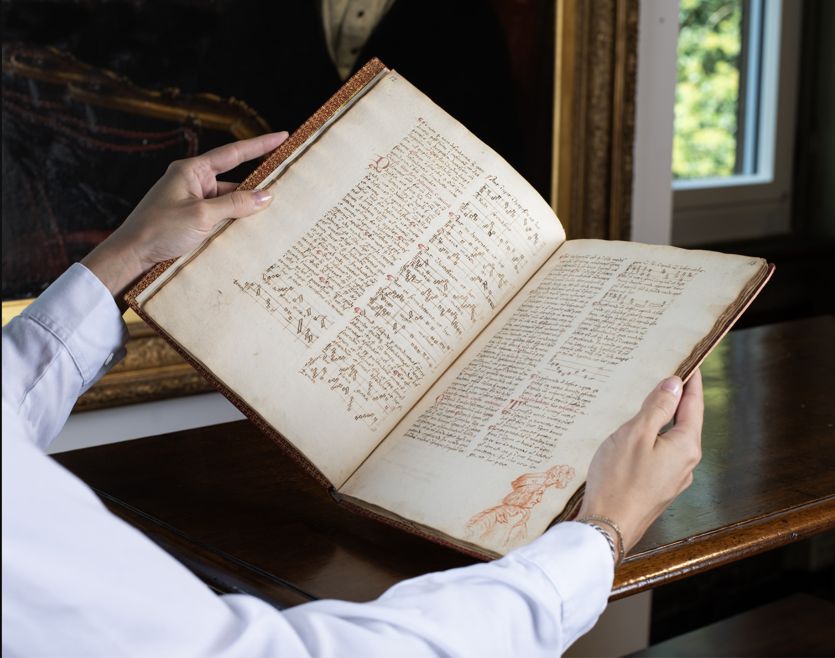
Extracting value where that (market) value is under constant pressure: this is the case with works offered at auction. Whilst for some experts, such as Valeria Agosto (Il Ponte; head of the furniture, sculpture, art objects, porcelain and majolica, and silverware department), the ‘notification’ is “no longer a stigma”, for others, such as Cristiano Collari (Pandolfini; head of the books, manuscripts and autographs department), “commercially speaking, it’s a sword hanging over the lots; it’s even worth one less zero”. There is certainly an ambivalence to the rule: on the international market, the export ban depresses the price of the work, making it unattractive to 90 per cent of collectors. But for that remaining 10 per cent, the notification serves as a certification of its value.
A market that exists, despite the obstacles
It was Pietro De Bernardi, managing director and director of Pandolfini, who had the idea of turning this into a market; he dedicates an annual auction to these items, the only one of its kind in Italia. This year’s auction took place on 1 October, coinciding with the Florence International Antiques Biennale (BIAF, from 26 September to 4 October 2026). Nicolò Pitto, head of the old master paintings department at the Florentine auction house, admits that ‘the notification label drives down the prices of masterpieces, which nevertheless become very attractive to international collectors willing to leave the work or object in Italia’ (perhaps in their Tuscan home…). ‘Anyone buying a work subject to this notification is aware of this. Foreign buyers account for around 40 per cent of these auctions.’ For Pandolfini, this is a deliberate cultural choice: ‘If the State exercises its right of repurchase, the auction house does not receive any fees. It is generally an unattractive market for the intermediary. We, however, have decided to press ahead.’
These catalogues contain a limited number of works (for example, 25 in 2026; 15 in 2025): so is it a foregone conclusion that they’ll be a walk in the park? ‘No. There are always a few unsold items: perhaps because the notifications are very old, or the attributions are weak, dating back, for example, to the 1960s and 1970s. More recent notifications are simpler, supported by more precise historical and artistic knowledge.’ Why is a notified work sold? ‘For the usual three Ds (debt, divorce, death, ed.). What’s more, in the case of an inheritance, nobody wants to take on the bureaucratic burden.’ However, Pitto continues: “Certain artists in Italia simply do not sell unless they are registered. This is the case if one hopes to purchase a Beato Angelico or a Pietro da Cortona, for example.”
The latest results, including Wannenes’ record
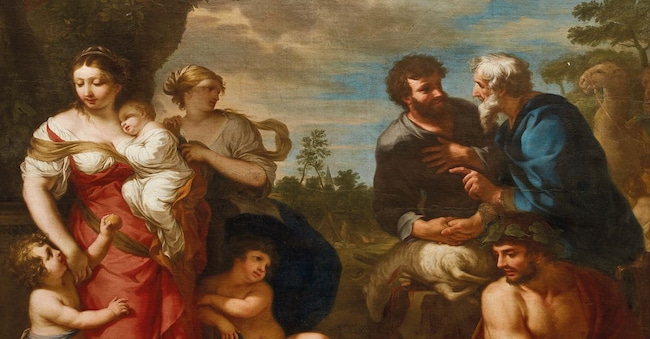
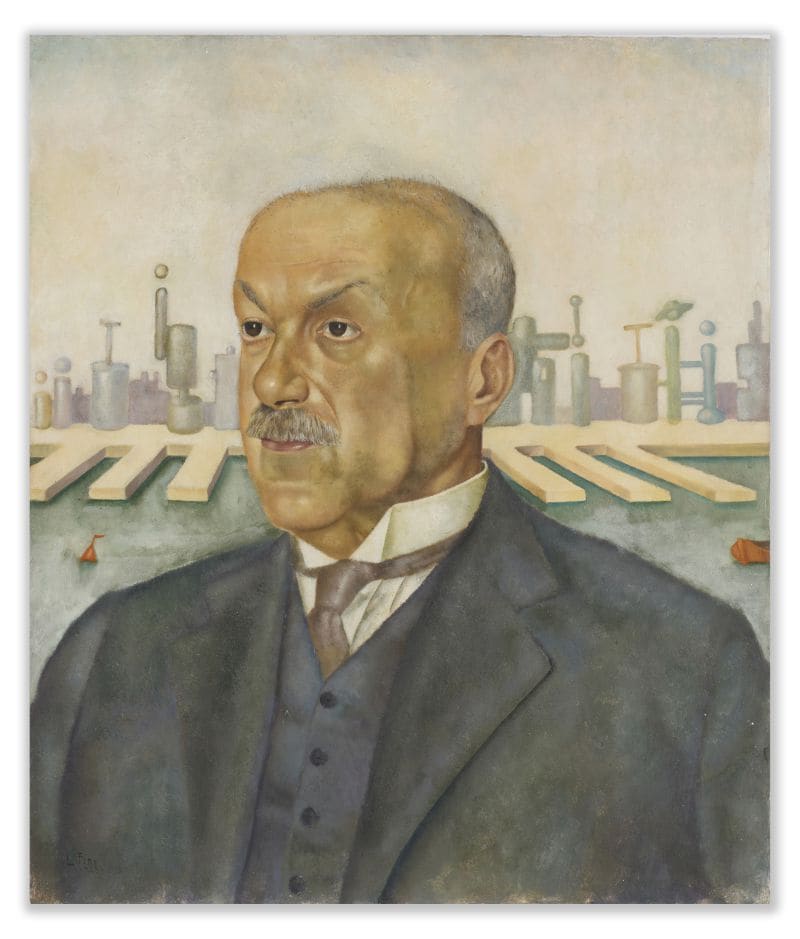
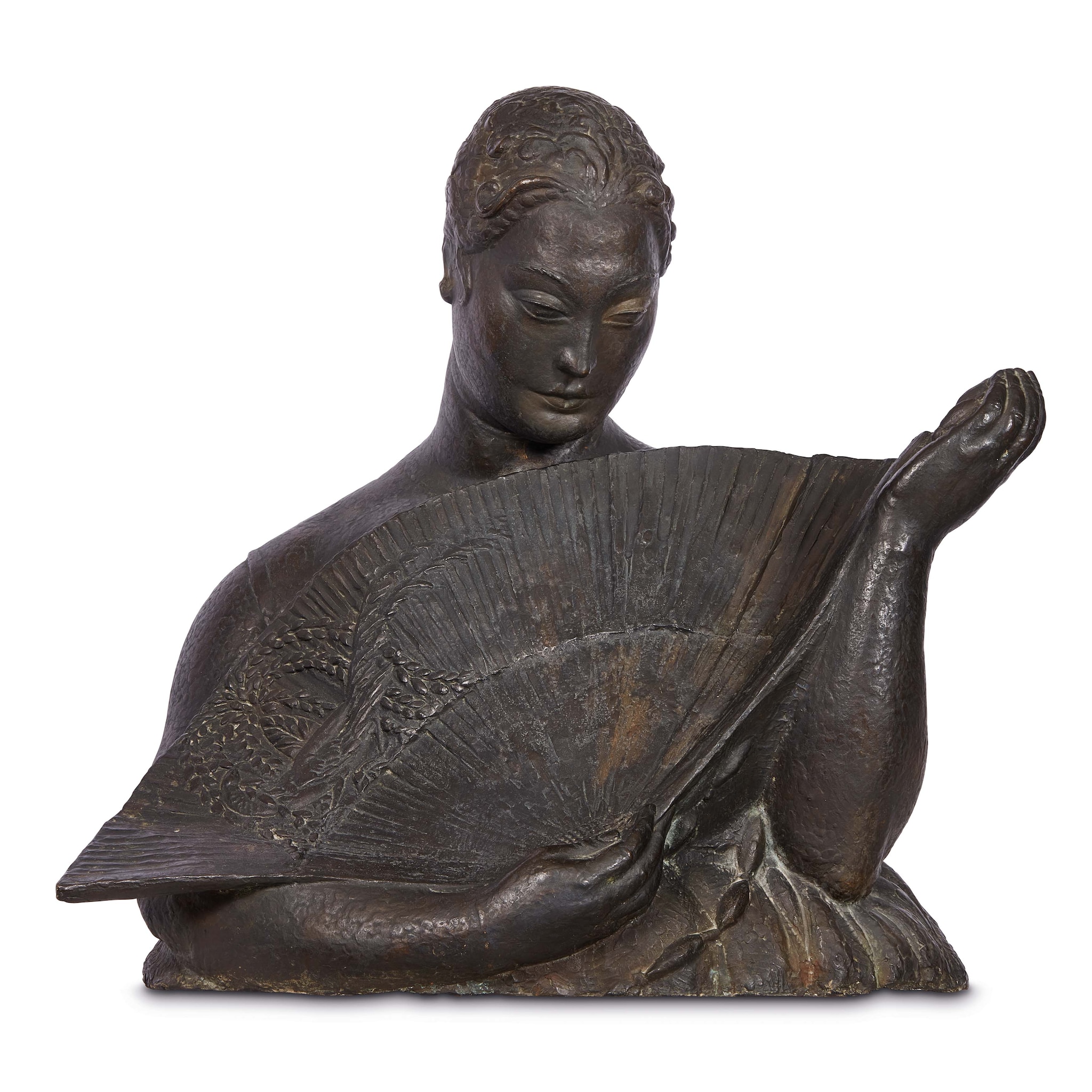
The average price for high-end lots is between 80,000 and 100,000 euros, if not more. In 2025, the top lot at Pandolfini was Vasari with the ‘Holy Family with the Infant Saint John’ (€245,700 from €120,000–150,000). The prices of the main lots in the live auction on 1 October 2026 were more modest, with all of them (excluding sales commissions) selling at their lower estimate. Pietro da Cortona took first place with the ‘Covenant of Jacob and Laban’, which sold for 138,600 euros (including commissions, as with all prices quoted here) from an initial estimate range of 110,000–150,000 euros. Next came the ‘St John the Baptist’ by Alessandro Allori, which sold for €100,800 (from €80,000–120,000), and, by Prospero Fontana, the ‘Portrait of a Man in a Velvet Coat and Fur Collar’ (€65,520, from an estimate of €50,000–80,000). Also at Pandolfini, the result of the only sculpture in the catalogue is worth noting: ‘Lady with a Fan’ by Spartaco Libero Andreotti , €40,320 (€30,000–50,000).
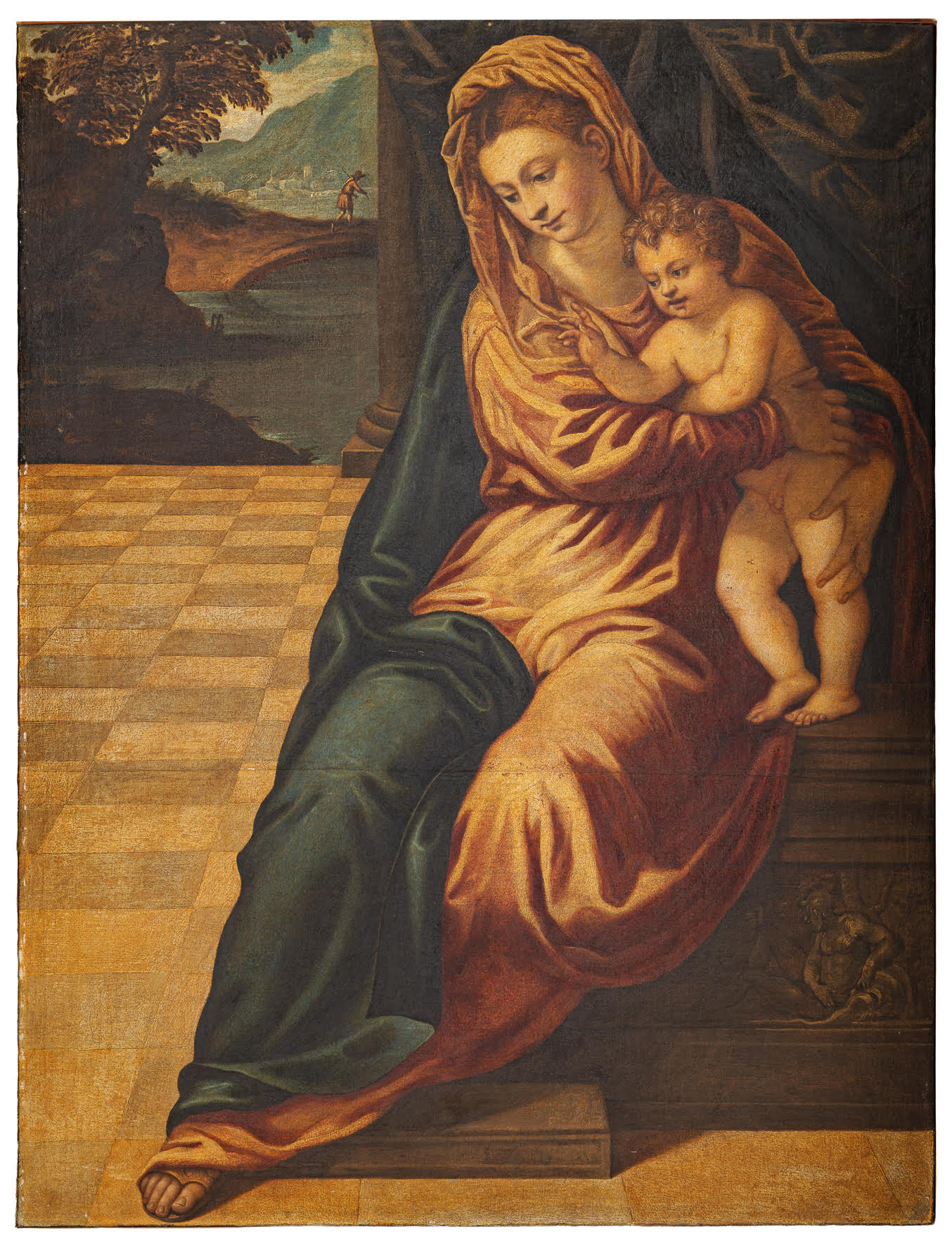
Revaluations aside, these are the market highs. The same levels were also reached by Wannenes two days earlier, on 29 September, with the exceptional re-valuation of the ‘Madonna Curtis’ by Tintoretto (€375,150 from €50,000–80,000). “The sale in Italia represents the eighth-highest price ever achieved for Tintoretto,” explains Guido Wannenes, managing director of the auction house of the same name. Whilst the price ratio used to be 100 in Italia compared to 300–500 on the international market, this gap has narrowed. Today there is greater awareness of the value of a registered painting: this presents an opportunity because it starts from lower estimates and competition is more subdued. Then there are the tax advantages: inheritance is tax-free because that registered value is not included in the estate’s total value”.