
Novo Nordisk shares fall in Copenhagen; the market is not convinced by the plan

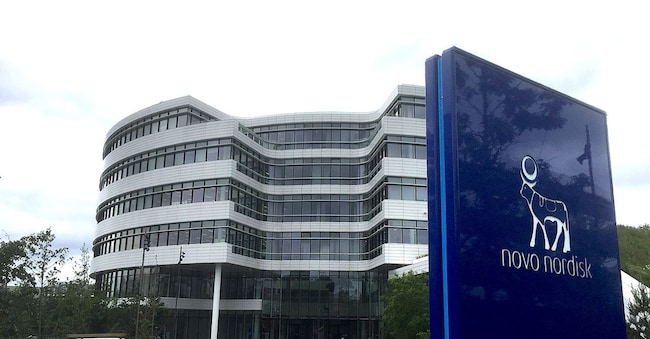
(Il Sole 24 Ore Radiocor)- Novo Nordisk is under pressure on the Copenhagen Stock Exchange on the day the Danish pharmaceutical group’s management meets the international financial community in London to present its business plan for 2030.
The company forecasts annual revenue growth in line with that of its competitors from 2026 to 2030, whilst the operating margin is expected to remain stable. These indications appear not to have fully met investors’ expectations, at a time when Novo Nordisk is facing increasing competitive pressure in the market for anti-obesity drugs. During the meeting with analysts, the group’s senior management outlined a strategy aimed at strengthening the pipeline and, above all, diversifying sources of growth. The aim is to generate over 150 billion Danish kroner in revenue by 2035 from drugs currently in development. In 2025, the group recorded revenue of 309.06 billion kroner. “The time has come to further diversify the company,” explained Chief Executive Mike Doustdar, emphasising that Novo Nordisk will continue to strengthen its diabetes portfolio and expand its pipeline in obesity, whilst simultaneously focusing on new therapeutic areas. These include haematological and endocrine diseases, as well as liver and cardiovascular conditions.
The challenge, however, remains primarily with the popular diabetes drugs used to treat obesity. The new strategy was announced just as the Danish group is losing ground in this market segment to the US firm Eli Lilly, which has become the market leader in injectable treatments. Novo Nordisk, however, has recently launched a new oral medication, which is receiving positive feedback and on which the company is pinning its hopes of regaining some of its lost market share. Doustdar had already stated, prior to the meeting with investors, that the initial data suggested the possibility of a recovery. However, the problem of price pressure and the loss of exclusivity for semaglutide – the active ingredient in Ozempic and Wegovy – remains. The patent has lost its exclusivity in Canada, India, Brazil and Turkey since the start of the year, paving the way for cheaper versions. In the United States and Europe, however, patent protection is expected to continue into the early years of the next decade. In the US, however, Novo Nordisk must not only contend with competition from Eli Lilly, but also with measures introduced by the Trump administration aimed at reducing the cost of anti-obesity drugs. Consequently, the Danish group’s management is already factoring in a 6 per cent slowdown in adjusted sales in the United States this year (at constant exchange rates). Moreover, the difficulties do not concern only the obesity business, but also other areas. In particular, according to analysts, a study on an experimental cardiovascular drug failed to show the expected reduction in the risk of heart attack or stroke. CagriSema, the next-generation treatment for diabetes and obesity, has also shown a hypoglycaemic effect that is less pronounced than that of tirzepatide, the drug developed by Eli Lilly.
For Novo Nordisk, therefore, the ability of its pipeline to produce new blockbuster drugs in the coming years is becoming an increasingly important factor in sustaining growth.
It should be noted that Doustdar, who has been at the helm of the company since last year, has launched a reorganisation programme that includes acquisitions, a reshuffle of the board of directors and a plan to cut 9,000 jobs. The CEO also reiterated his intention to continue to evaluate acquisitions of assets and technologies capable of strengthening the pipeline and current therapeutic areas, whilst ruling out large-scale transformation operations. Finally, last week the group announced that it was changing its name to Novo, with the aim of strengthening brand recognition amongst consumers and competing on a brand-to-brand basis with Eli Lilly. Novo Nordisk will, however, remain the company’s legal name globally.


