The chip giant

Nvidia reaches technology licence agreement with start-up Groq

The world's largest listed company has paid for the right to use Groq's technology and will integrate its chip design into future products
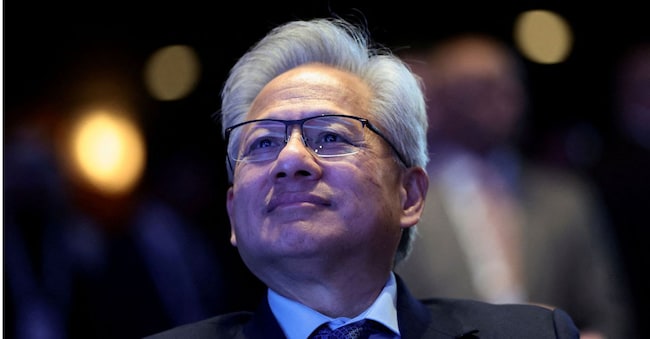
Jensen Huang, CEO di Nvidia

3' min read

Translated by AI
Versione italiana

3' min read

Translated by AI
Versione italiana

Nvidia has entered into a licensing agreement with the artificial intelligence start-up Groq, reinforcing its investment in companies related to the AI boom and gaining the right to add a new type of technology to its products.

The world's largest listed company has paid for the right to use Groq's technology and will integrate its chip design into future products. Some of the start-up's executives will leave the company to join Nvidia to contribute to this project, the two companies said. Groq will continue as an independent company with a new CEO, the company said in a post on its website on Wednesday.

Loading...

Nvidia's technology already dominates data centres, which are at the centre of the explosion in spending on the new processing resources needed for AI software and services. The popularity of its existing offerings has made Nvidia by far the richest company in the chip industry, and it has said it will use some of that money to promote the adoption of artificial intelligence across the economy.

Groq is among the startups and companies, such as Google, that are developing their own artificial intelligence chips to compete with Nvidia. The startup, founded in 2016, raised $750m in September, with a post-funding valuation of $6.9bn. At the time, Groq said it would use the funds to expand its data centre capacity. Its data centre business, which offers outsourced computing services, will continue, the company said in the post.

Groq CEO Jonathan Ross is a former Google Chip executive who helped start the company's Tensor Processing Unit, or TPU, which powers artificial intelligence workloads. As part of the deal, he and other senior executives will join Nvidia "to help advance and scale the licensed technology," Groq said in the statement.

No financial details were released.

Groq's low-latency chips are extremely responsive to input and will add new capabilities to Nvidia's products, opening up new areas of the market, said the US chip giant, which under the leadership of CEO Jensen Huang has added a host of new offerings aimed at consolidating its position and accelerating the speed at which businesses find employment in artificial intelligence software. The company now sells networks, software and services, as well as complete computers.

The licensing agreement is similar in some ways to a partnership between Meta and the data labelling start-up Scale AI, in which the large technology company made a substantial investment in the smaller company, licensed the technology and hired its CEO.

Nvidia has invested in companies across the entire artificial intelligence infrastructure ecosystem and is seeking to maintain broad leadership in the inference market, i.e. the execution of models once developed. The company's management has already committed billions to a wide range of projects that it believes will help advance the entire artificial intelligence industry. Nvidia has agreed to invest up to $100 billion in OpenAI and has even acquired a stake in former nemesis Intel.

By integrating a new type of design into its products, Nvidia demonstrates a willingness to be flexible and add new features. This approach is likely aimed at keeping its most important customers and new buyers focused on its technology, at a time when internal efforts by Google, Microsoft and Amazon are gaining momentum as the industry rushes to install as much computing capacity as possible and as quickly as possible.

Copyright reserved ©
Loading...

Brand connect

Loading...

Newsletter

Notizie e approfondimenti sugli avvenimenti politici, economici e finanziari.

Iscriviti