
Nvidia: the SEC launches an investigation into Jensen Huang’s departure
The investigations also concern the possibility that the company’s communications may have misled investors.

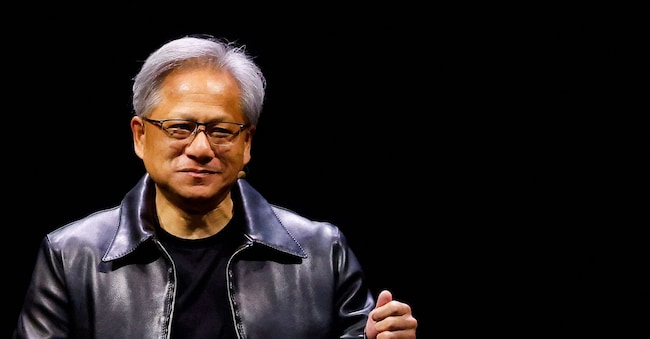
Another blow for Nvidia. The Securities and Exchange Commission (SEC) is investigating the chip giant. This is according to the Wall Street Journal, citing people familiar with the matter.
The new case
The civil investigation is exacerbating the crisis Nvidia is currently facing. The company’s shares have fallen by more than 10 per cent since Jensen Huang was ousted as CEO. It is not yet clear what the specific focus of the investigation is, but, according to some sources, the probe also concerns the possibility that the company’s communications may have misled investors.
Governance
Meanwhile, Jensen Huang is back in the running. The former CEO is willing to return to the top job, should the board allow it. Ousted last week from the global AI chip giant, the former chief executive has broken his silence, just a few hours before the presentation of the quarterly results and the debut of the chief financial officer and interim CEO, Colette Kress. The board has once again stonewalled the issue (“no assessment at this stage” on the sensitive matter), before announcing the establishment of a standing committee to oversee national security, export controls and risks associated with global trade. And whilst new details are emerging about Nvidia’s corporate structure (“feudal” and “family-run”), the Wall Street Journal has reported on the data centre empire built by Kang Wei, the husband of Alice Huang, the Chinese lover of ‘Mister Nvidia’ who is suspected of being a spy for Beijing. The scale of his business is staggering: between 2021 and 2024, proposed investments in his network exceeded $9 billion, with the backing of the Chinese government, whose officials presented Kang’s projects as part of a national initiative aimed at boosting computing capacity across the People’s Republic. “If the board of directors were to conclude that my return is in the best interests of our shareholders, employees, the company and America, I would be honoured to accept these requests and return as CEO,” Huang wrote in a statement also posted on social media. ““Over the past week,” he added, “I have been overwhelmed by the affection and support of friends, industry colleagues and people I have never met.” He admitted that he “had not lived up to the standards expected of everyone at Nvidia” and that he had made “serious mistakes in my private life”. In short, he expressed deep regret, took full responsibility for his mistakes and pledged “to cooperate with the independent investigation being conducted by the board”. Huang has agreed to appear on 1 December at a “closed-door” hearing in the US House of Representatives (the following day it will be the turn of Nvidia’s general counsel, Tim Teter), to discuss chip export controls and the repercussions linked to former CEO Jensen Huang’s relationship with an alleged Chinese spy. In addition to the whole issue of “interference in US policies and investigations into export controls, including cases involving Megaspeed”, the Singapore-based data centre company where Alice Huang was a senior executive. Megaspeed is under investigation by the Departments of Commerce and Justice: a joint statement explained that the investigations began in 2024 to verify compliance with export control regulations due to concerns that chips may have been diverted to China. This unprecedented move reflects the ongoing clash within the Trump administration between those advocating a more conciliatory stance towards Beijing and those favouring a tougher line, such as that of Treasury Secretary Scott Bessent, who succeeded in imposing new regulations prohibiting Chinese companies from remotely accessing advanced artificial intelligence chips produced, amongst others, by Nvidia, and located in data centres abroad. This initiative has been contested by Beijing, which has threatened to “take the necessary measures to resolutely safeguard its legitimate rights and interests”. Meanwhile, a new strand of controversy centres on the roles played at Nvidia by Spencer and Madison Huang, and by her husband, Nico Caprez, whom she recently married. The former CEO’s two children and son-in-law still hold top positions within a ‘feudal’ structure, according to the Financial Times. Madison acted as a sort of ‘chief of staff’ to her father, wielding ‘great power and considerable influence’.

