
Trump threatens to abolish the trade pact between the US, Canada and Mexico
For the White House, the old Nafta, now renamed Usmca, 'brings no benefits' and should be replaced with bilateral agreements

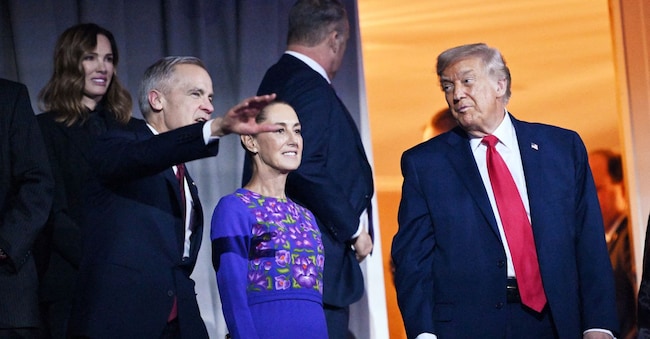
Donald Trump and his administration are back to threatening Canada and Mexico: the North American Free Trade Agreement could be abolished. Jamieson Greer, US Trade Representative, reiterated that Trump wants to 'keep the working aspects of the agreement, but that there is no natural reason why there should be only one agreement'.
It is the old Nafta - North American Free Trade Agreement - renewed by Trump during his first term, later renamed Usmca - United States, Mexico and Canada - and now to be revised by next July.
The United States, Greer said a couple of weeks ago in an interview with the New York Times, wants to discuss energy production, corn sales, and labour issues with Mexico, while major issues with Canada include dairy products, electrical transmission, and digital regulation. "We are not bound to any specific agreement or format simply because it exists, the administration's priority is to bring manufacturing jobs to the United States, encourage wage growth and reduce the US trade deficit," he added. He was even more categorical: 'The president has been very clear. He is going to walk away from the deal. So we will see how it goes'. So the Usmca agreement - also known as the new Nafta, or in Mexico as T-Mec, i.e. Tratado entre Mexico, Estados Unidos y Canada - could have its days numbered and dissolve into thin air, leaving room for bilateral agreements. In perfect line with the aggressive trade policies of the Republican administration.
This could prove catastrophic for companies that have structured their business around the trade agreement. Thousands of billions of dollars of trade take place under the pact, and abandoning it could hurt American farmers and car manufacturers and damage US economic growth.
The prospect of breaking up the Usmca is a foretaste of the pressure tactics the White House will deploy when its administration renegotiates trade agreements. Trump's threat to block the Detroit-Windsor bridge was the latest in a series of attacks on Canadian Prime Minister Mark Carney. In October, Trump suspended trade talks because of a commercial - paid for by the Province of Ontario and broadcast in the United States - that featured a historic speech in which President Ronald Reagan condemned tariffs.


