Airlines

O’Leary (Ryanair): “Record increases in airfares, up to 20 per cent higher by 2027”

The low-cost airline is only 15 per cent hedged against the risk of jet fuel price rises next year. The first Boeing 737 Max 10 is due to arrive in January

 Boeing

3' min read

Translated by AI
Versione italiana

3' min read

Translated by AI
Versione italiana

Airfares in Europe could see one of the sharpest rises in their recent history in 2027, with price increases of up to 20 per cent. The warning comes from Michael O’Leary, CEO of Ryanair, who believes that the war in the Middle East and the resulting rise in oil prices are likely to put pressure on airlines’ profit margins.

During a press conference in Brussels, the chief executive of Europe’s leading low-cost airline predicted a sharp rise in ticket prices over the next twelve months. “In my view, we will see the biggest rise in airfares ever recorded in Europe,” said O’Leary, whilst emphasising, however, that the price rises might not be enough to fully offset the surge in fuel costs.

Loading...

The issue, in fact, is not only about the airlines’ ability to pass on part of the increased costs to passengers, but also about the impact that high oil prices will have on the sector’s profitability. Even a significant increase in ticket prices and any fuel surcharges might not be enough to safeguard operating margins.

Fuel and tyres: the sector remains vulnerable

One of the main sources of vulnerability is the strategies used to hedge against fluctuations in energy prices. O’Leary explained that Ryanair is facing the coming year with a significant proportion of its fuel requirements exposed to market fluctuations.

“We are only covered for 15 per cent next year, whilst 85 per cent remains uncovered,” said the manager, adding that many other European airlines find themselves in a similar situation.

The lack of sufficient financial reserves leaves airlines more vulnerable to further rises in the price of oil and aviation fuel. Against a backdrop of rising operating costs, airlines will therefore have to strike a balance between the need to raise prices and the need to avoid undermining demand.

The sector is therefore facing a challenging period: travellers continue to show a willingness to spend on air travel, but rising energy costs, taxes and other expenses risk reducing the profitability of routes.

Stock markets under pressure and market consolidation

The bleak outlook for the aviation sector is also reflected in share price performance. Ryanair fell by as much as 2.1 per cent during the trading session mentioned by O’Leary, bringing its year-to-date decline to 25 per cent. Should the decline continue, 2026 would be the worst year for the share since 2018. During the press conference, the CEO also strongly criticised the regulatory and fiscal framework in certain European markets. In France and Belgium, he reiterated, Ryanair will scale back its operations in response to tax increases, in a context where cost pressures are making certain activities less sustainable.

According to O’Leary, the combination of higher fuel prices, taxation and operational difficulties will accelerate consolidation within the sector. The weakest companies, lacking sufficient resources to absorb these shocks, will be exposed to greater financial risks and may be forced to restructure or consider extraordinary measures.

Recent developments confirm the tensions in the European market. Air Baltic and the Spanish airline Volotea are undergoing restructuring, whilst the sector is seeing increasing activity in the acquisitions market. Lufthansa has beaten Air France-KLM in the race to acquire a stake in TAP, the Portuguese national airline. Meanwhile, in the United States, the private equity group Apollo Global Management is mapping out a possible plan to take over EasyJet.

Loading...

The war in Iran is taking its toll on companies’ accounts

The rise in the cost of aviation fuel is one of the most immediate economic consequences of the conflict with Iran, which began at the end of February. The crisis has heightened uncertainty over supplies and has contributed to making operations more costly for airlines worldwide.

Ryanair’s results were also affected by the tensions. The latest quarterly figures cited by the manager, published in July, highlighted the conflict’s negative impact on profits, alongside bookings made closer to the departure date, against a backdrop of concerns over the availability of aviation fuel.

The change in booking habits represents a further source of uncertainty for airlines, which must plan capacity and pricing in a less predictable environment. If costs continue to rise, managing profitability will become even more challenging.

Boeing Max 10: deliveries expected from January

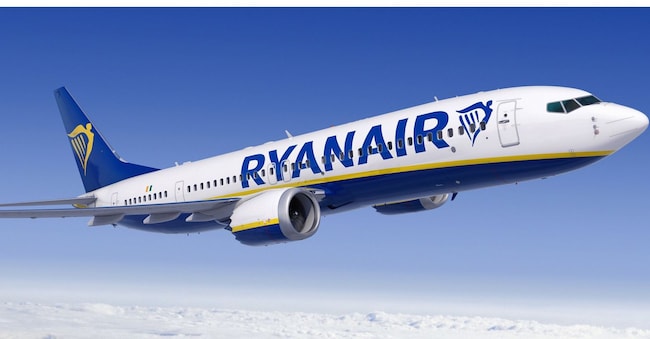
On the operational front, O’Leary finally confirmed the target of taking delivery of the first Boeing 737 Max 10 in January, with a further 16 deliveries scheduled by April. The arrival of the new aircraft represents a key milestone in the Irish airline’s development plans, as it aims to strengthen its operational capacity. However, in the short term, the outlook for the entire sector remains dominated by energy uncertainty and the ability to pass on rising costs to final fares.

Copyright reserved ©
Loading...

Brand connect

Loading...

Newsletter

Notizie e approfondimenti sugli avvenimenti politici, economici e finanziari.

Iscriviti