Objective 200: Two Centuries of Photography
Paris is celebrating this with an exhibition at the Bourse de Commerce and a special edition of Paris Photo. Whilst two trillion images are produced every year – 60,000 per second – the market for photographic collecting is going from strength to strength.

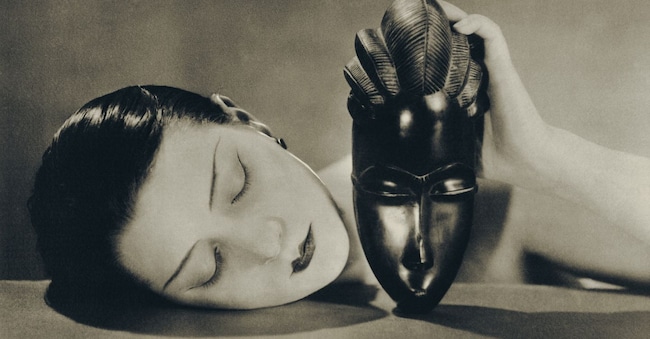
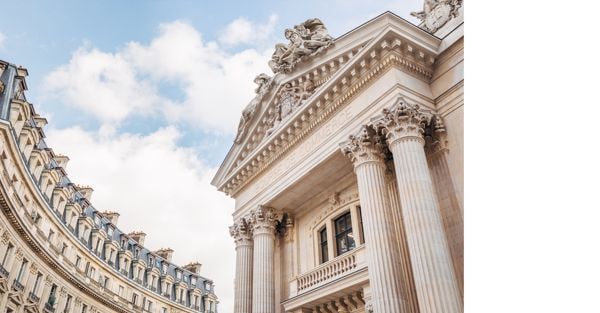
Photography is celebrating its 200th anniversary. It was in 1826 that the French inventor Joseph Nicéphore Niépce took the first photograph: a view from the first-floor window of Le Gras, his home and studio in Saint-Loup-de-Varennes, in Burgundy. Numerous exhibitions and events in Italy and around the world are marking the anniversary. This week, at the Bourse de Commerce in Paris – one of the museums owned by fashion magnate and major art collector François Pinault – the exhibition Remember Me opened, featuring 700 photographs by 70 artists, ranging from the pioneer Gustave Le Gray to Wolfgang Tillmans, the first photographer to win the prestigious Turner Prize in 2000, whose works have fetched six-figure sums (up to 700,000 euros at auction).
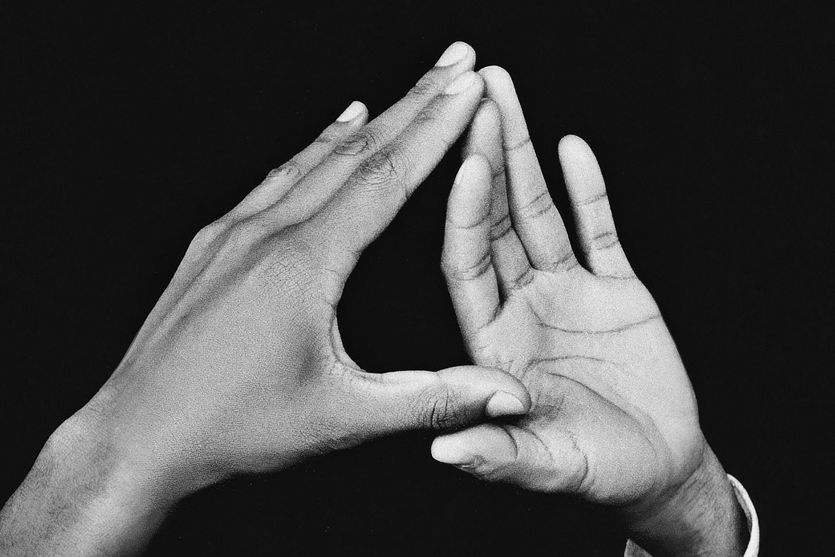
Paris Photo, which is undoubtedly the leading fair for the photography market, will also, from 12 to 15 November, will mark the bicentenary with the presentation, beneath the glass vaults of the Grand Palais, of an extensive overview of the medium, from the earliest techniques to today’s digital methods, thanks to the participation of nearly 250 exhibitors from 38 countries. ‘Over the last fifty years, the photography market has become firmly established,’ says Florence Bourgeois, the fair’s director. ‘It is a very broad sector, with prices ranging from a thousand to hundreds of thousands of euros, making it accessible to a wide variety of people. Furthermore, it is a medium capable of appealing to a wide audience, because we are all connected to photography in our everyday lives and, as such, it serves as a gateway into the world of art collecting. The role of publishers of photography books should not be underestimated either; they are vital for the visibility of many artists, particularly those without a gallery. There will be around fifty of them at the fair, with books ranging in price from 30 euros up to hundreds or thousands of euros for the rarest or oldest examples.”
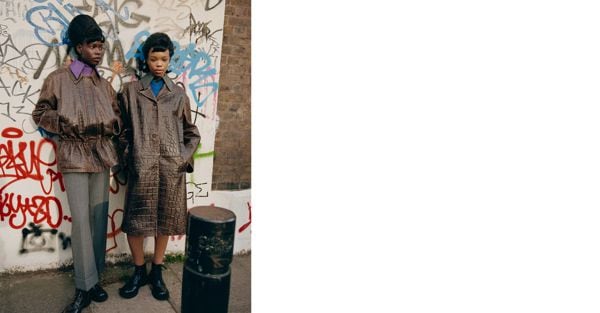
Today, photography is included in most contemporary art collections, although the current climate is more favourable to painting, which continues to set the trend. ‘When buying historical photography, you need to look at the quality,’ explains Bourgeois, ‘that is, the condition, the history of the shot and its provenance. These works are now rare and difficult to find. When it comes to contemporary photography, it is important to consider the number of editions and also how the work fits into the artist’s body of work. And then, of course, the technical details, such as the type of paper or printing process’. Prints, in fact, can yellow quite quickly, or the support material can warp, irreversibly damaging the work.
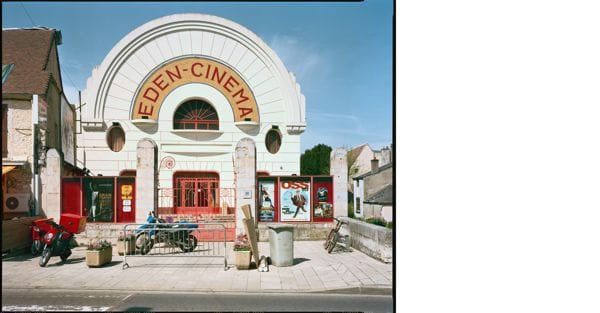
Whilst in historical photography it is important to seek out vintage prints – that is, those printed by the artist whilst they were still alive – in contemporary photography, from the 1970s onwards and particularly in the 1980s and 1990s, the practice has become established of limiting the number of editions (usually three, five or seven), in order to artificially create that sense of scarcity so highly sought after by the market. Thanks to this strategy, it has been possible, to some extent, to overcome the most deeply rooted historical prejudices in the art world, according to which a photograph, being reproducible, is intrinsically less valuable than a painting, which is, by contrast, unique. The gallery or the artist may set the same price for each edition, or increase the price of the prints as the edition sells out. Once an edition is sold out, no further copies of that image are produced (some artists occasionally print additional copies in different sizes, but this practice is heavily criticised by collectors). Each print is numbered; with the exception of ‘i’, known in English as Artist’s Proof: one or two copies that the artist traditionally kept for themselves, or to give to friends and collaborators, or to display in exhibitions without having to use those intended for sale.
Over time, photography has found its way into the institutional world. MoMA was the first museum to establish a dedicated department in 1940, thanks to the curator Beaumont Newhall, who inaugurated it with the exhibition Sixty Photographs: A Survey of Camera Aesthetics, created to demonstrate the artistic value and potential of the art of photography, and conceived in collaboration with the photographer Ansel Adams (now one of the most highly valued at auction, with prices reaching almost a million dollars).