
Outdated offices: Milan tops the European rankings for risk, with 86 per cent in need of refurbishment
Capex linked to efficiency is shifting from a means of adding value to a defensive measure. Aligning with ESG criteria is becoming essential to avoid ending up with empty buildings. Refurbishment can cost between 15 and 70 per cent of the asset’s value. From 2022, refurbishments totalling 1.5 billion euros

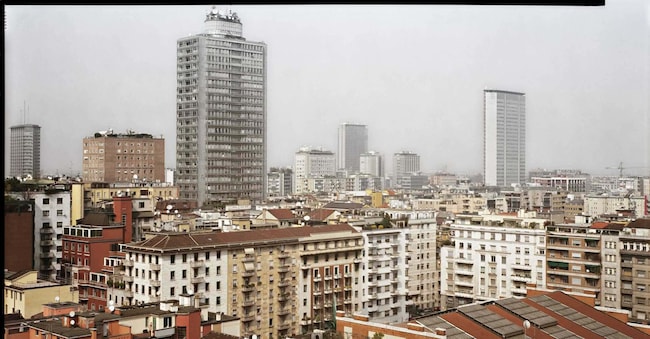
The proportion of obsolete properties and those failing to meet ESG criteria within portfolios is increasingly posing a risk to European property companies.
According to the latest analysis by Scope Ratings, the most insidious risk concerns assets which, due to energy inefficiency, outdated features or less competitive geographical locations, are becoming progressively difficult to let, sell or refinance. These are the so-called stranded assets – properties that risk becoming stuck on the market and gradually losing value if they are not brought up to new standards. Offices are a case in point.
Photography in Europe
According to Cushman & Wakefield’s Rethinking European Offices 2030, Milan is the European city most at risk: around 86 per cent of its total office property stock could be obsolete or in need of refurbishment within the next four years.
It is followed by Barcelona, Stockholm and Paris, at around 80 per cent; Madrid at 78 per cent, Amsterdam at 77 per cent and London at 76 per cent. Further behind are Brussels and Frankfurt at 70 per cent, Berlin at 65 per cent, whilst Lisbon and Dublin stand at 64 per cent. The risk falls to 60 per cent in Munich and ranges between 47 per cent and 40 per cent in Prague, Budapest and Warsaw.
“It is a snapshot that explains why, in the European property sector, ‘sustainability-related capital expenditure is changing in nature’,” explains Carlos Munoz, Director of Corporate Ratings at Scope Ratings. “It is no longer merely an investment intended to create value, but is increasingly becoming a defensive expenditure necessary to maintain employment, sustain rental growth and preserve asset values.”
According to Muñoz, the pressure is coming from several directions. Environmental regulations are becoming stricter, tenants are showing a growing preference for high-quality, energy-efficient buildings, whilst banks and investors are paying closer attention to the characteristics of the properties they finance or purchase. Added to this is remote working, which has weakened demand particularly for secondary and less competitive office spaces.
Brand connect


Newsletter RealEstate+
La newsletter premium dedicata al mondo del mercato immobiliare con inchieste esclusive, notizie, analisi ed approfondimenti
Abbonati