
Occhetto, the last PCI secretary turns 90: here is why he is a key figure in Italian politics
It went down in history for the 'Bolognina Turn', with the dissolution of the Communist Party and the founding of the PDS, a new party with more social democratic oriented positions.

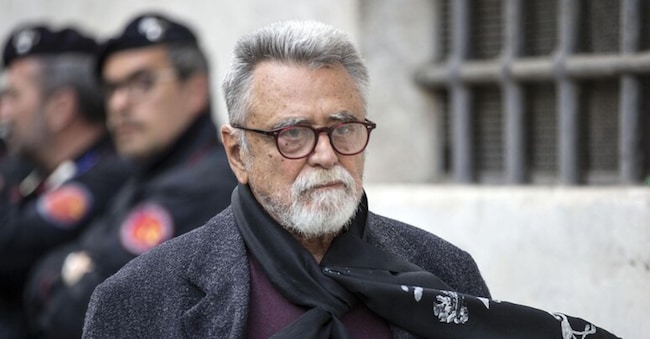
Achille Occhetto, the last secretary of the PCI, is 90 years old. He will be celebrated on Tuesday 3 March at 5 p.m. in Rome at the Hadrian's Temple in Piazza di Pietra: an initiative organised by the PD parliamentary groups and the Enrico Berlinguer Association to pay homage to the politician who went down in history for the 'Bolognina Turn'. It was 12 November 1989, three days after the collapse of the Berlin Wall. And Occhetto in the PCI section of the Bolognina in the capital of Emilia was at the end of a speech in which he had argued that new ways had to be invented. When the question came from Walter Dondi, a journalist from the Bolognese editorial office of L'Unità: "But do those new roads also presage a change of name?". The secretary replied dryly: 'They presage everything'. A phrase that precipitated the internal situation within the party.
After that day in November, the die was cast and there was no turning back. With the dissolution of the Communist Party and the founding of a new party on positions more oriented towards social democracy, called the Democratic Party of the Left. With the break-up, Occhetto thought he was accelerating the process of ideological modernisation of the party. To build the conditions for a new convergence between left-wing and democratic forces. The political unity of the progressive camp was one of the vocations of Occhetto's entire political and intellectual experience.
Occhetto, despite having been the liquidator of the PCI, is a child of Italian Communist history. He is immersed in the vicissitudes of a party that he encountered at a very young age, in 1953 when he was only seventeen, and that he travelled through, from Milan to Rome, holding office after office and often taking up positions that were uncomfortable for the ruling group of the time. Thus in 1956 he was the promoter of a document from a university circle condemning the Soviet invasion of Budapest, which the party had instead supported by choosing the wrong side of the fence. And later, as editor of the FGCI newspaper Nuova Generazione, he favoured severe analysis and reflection on the Soviet system. He also met Lech Wałęsa, leader of the opposition to the communist regime in Poland.
The 1994 victory of the centre-right led by Silvio Berlusconi, who defeated the 'joyous war machine' set up by Occhetto, decreed the end of his secretariat. In the following years, Occhetto continued to be involved in politics, albeit without holding leadership roles within the Pds first and the Democrats of the Left later. He remained an MP until 2001, when he was elected to the Senate for one term. He left the party definitively in 2004, when he decided to join a united project with Antonio Di Pietro, creating the 'Di Pietro-Occhetto' list that ran in the 2004 European elections. Then in December 2009 he joined the constituent project of Sinistra Ecologia Libertà, of which he was a member of the scientific committee.


