Ocean, coffee and cocoa: the fragrant stories of Saõ Tomé
On islands in the Atlantic, still spared by mass tourism, itineraries through memory, nature and gastronomic riches
4' min read
Key points
4' min read
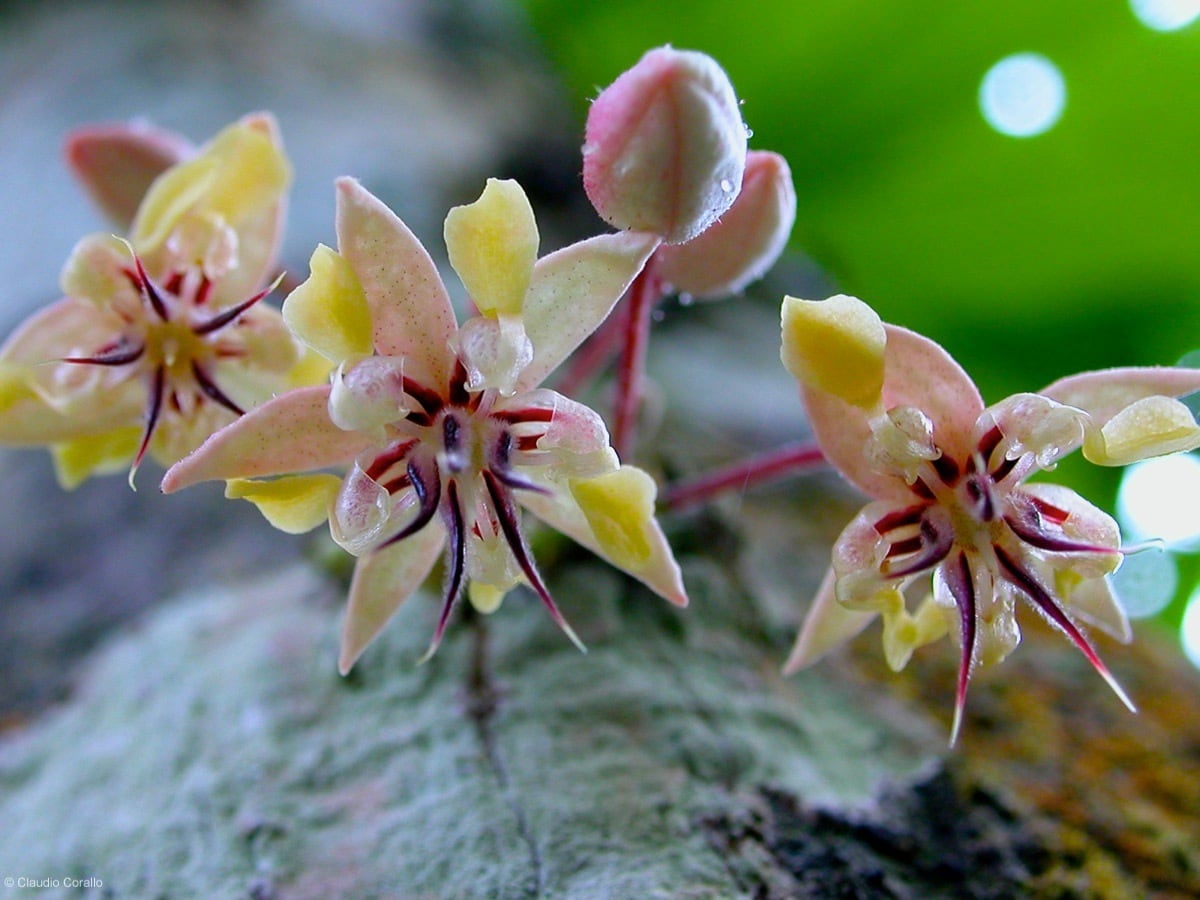
It is reached by a direct flight from Lisbon, a reminder that the islands of Saõ Tomé and Principe were long Portuguese colonies, crucial to the economy and trade of the crown before the discovery of the Americas. The state consists of some twenty islands in the Atlantic Ocean, off west-central Africa, in the Gulf of Guinea, which were discovered, some of them still completely uninhabited, by João de Santarém between 1470 and 1471. Initially, Portugal exploited them as a penal colony, but it was soon realised that the volcanic soil lent itself to the cultivation of sugar cane, which is why thousands of African slaves were soon brought to the islands. With the explosion of sugar cane cultivation in the New World, the economy of Saõ Tomé had to convert and since then the islands have been the elective land of coffee and cocoa plantations.
Incotaminated places
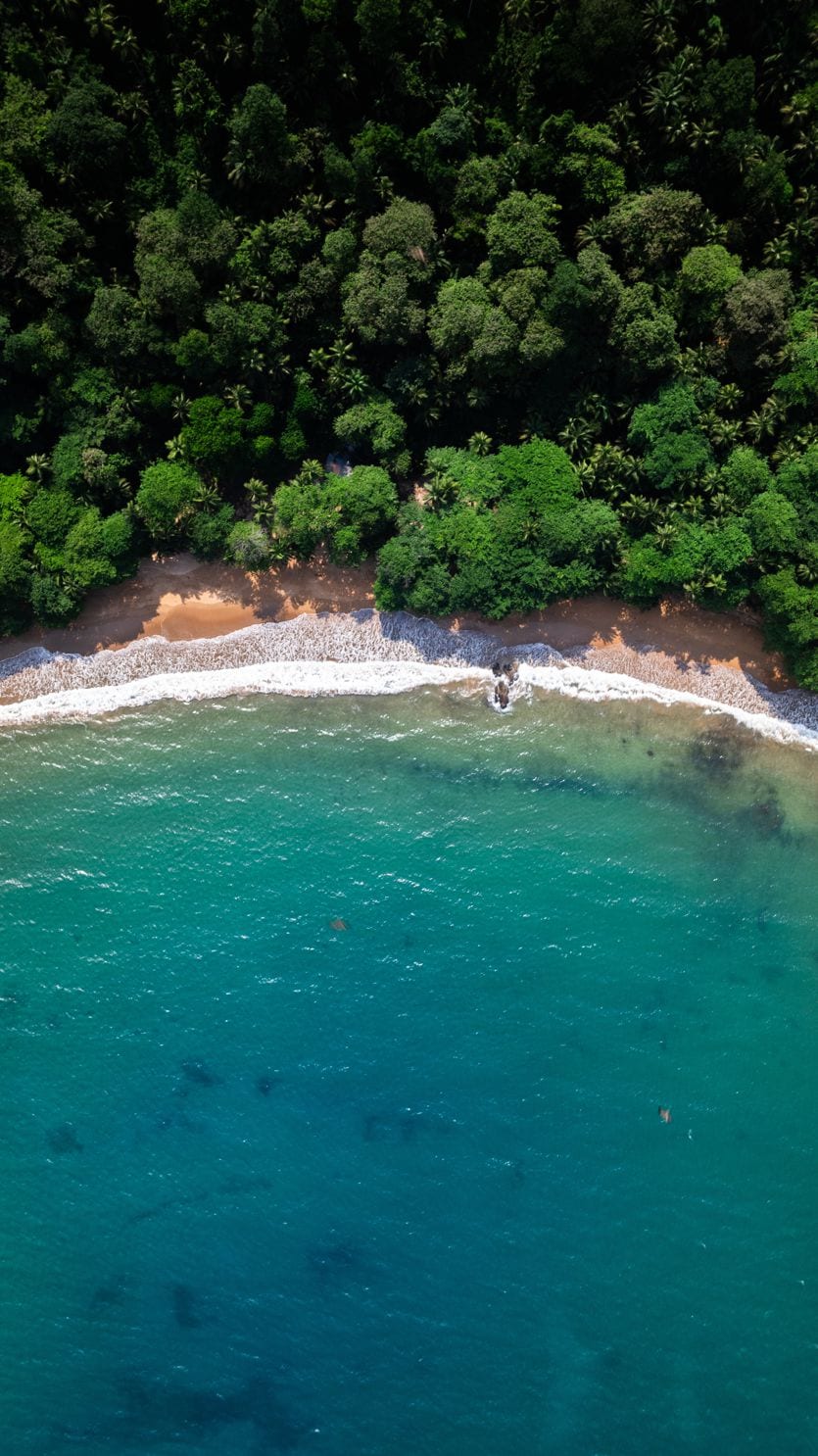
.Independent since 1975, the fact that they are not yet in the crosshairs of mass tourism gives them a nature that remains almost completely untouched and an authenticity that has few equals in the world. Just a few kilometres away from the airport of the main island, Saõ Tomé, one can find palm-shaded beaches where local fishermen bring in their pirogues to sell the day's catch.
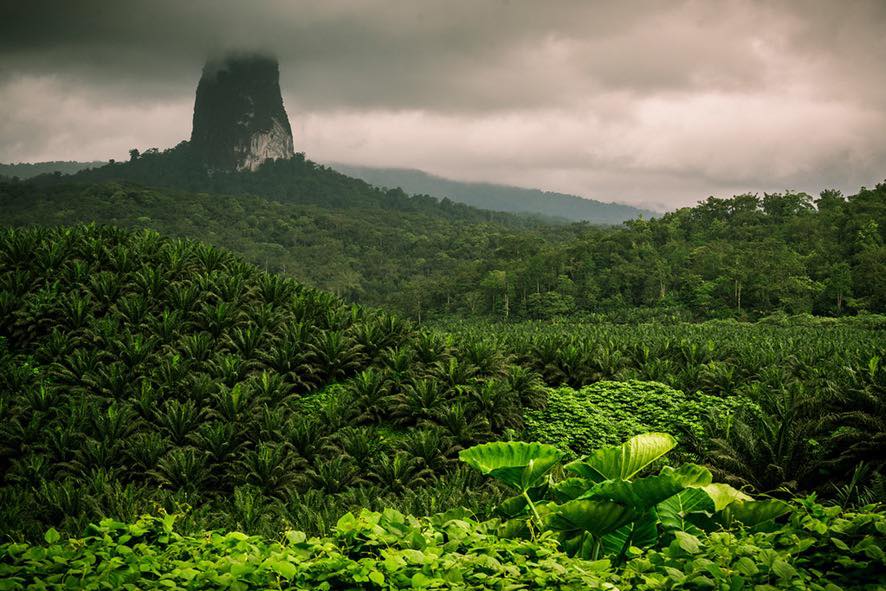
During the day, there are several interesting restaurants where the cuisine is the result of the encounter between African and European cultures, with almost exclusive use of local ingredients: fish, crustaceans and seafood, grilled or stewed, dominate, accompanied by manioc and tropical vegetables and fruit with an unforgettable taste. Calulu, for instance, is a local fish dish, but can also be made with chicken or goat meat, enriched with manioc, vegetables, spices and sometimes cacao. At Mucumblì, in Neves, a restaurant-resort run by two Italians who arrived on the island in the 1990s, you can also find izaquente, a dish prepared with overripe seeds of the tree of the same name, an endangered species (it is part of Slow Food's Ark of Taste) because the wood is in great demand for house construction, also accompanied by smoked fish, spices and breadfruit sliced and fried (a real treat). Then there is the molho no fogo, made with tuna, or the maxipombo, a kind of fried garfish often served as an appetiser. Dishes that can also be found at Roça São João dos Angolares, the restaurant of the island's most famous chef, João Carlos Silva: his octopus with spicy peanut paste accompanied by banana stuffed with cheese and bacon is definitely not to be missed. From the veranda of his Roça, on the south-eastern side of São Tomé, you can admire a corner of jungle, which is the island's distinguishing feature, full of huge breadfruit trees and baobabs, coloured by the foliage of the flamboyants - trees that in season light up, like large street lamps, in orange, red or purple - and shaded by the long leaves of banana trees or the tops of mango trees.
Visit to the Boca do Inferno
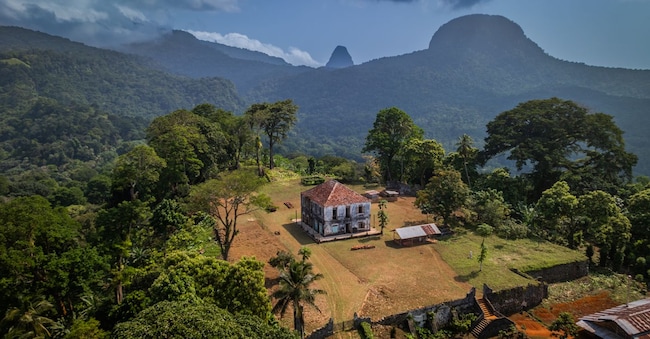
.In short, the island is lush and does not lack fine, white sandy beaches where ocean waves break. Spectacular and necessary is a visit to Boca do Inferno, where the Atlantic plays violently between the rocks and where you only have to put your head underwater to admire colourful fish and, if you are lucky, sea turtles. Sometimes they are a little inconvenient to reach, but it is a small duty to pay to a nature not yet overwhelmed by accommodation facilities and useless swimming pools overlooking the sea. Inland, the forests are also alive with small monkeys, a species of macaque introduced from continental Africa decades ago, whose calls can be heard but whose sightings are not easy. The small villages are often themselves former Portuguese settlements, whose structures retain their charm despite the wear and tear of time. One can also visit coffee plantations or what remains of them, as in the case of the Museu do Café, which happens to be located right on top of Café Mountain, some 15 kilometres inland from the capital. Here, one relives the golden age - an expression that is actually perplexing, considering that work on the plantations was entrusted to slaves - of the cultivation of the plant that is now so indispensable to the whole world and one can catch glimpses of the daily life of the locals between work, football games and chatting in front of the house.
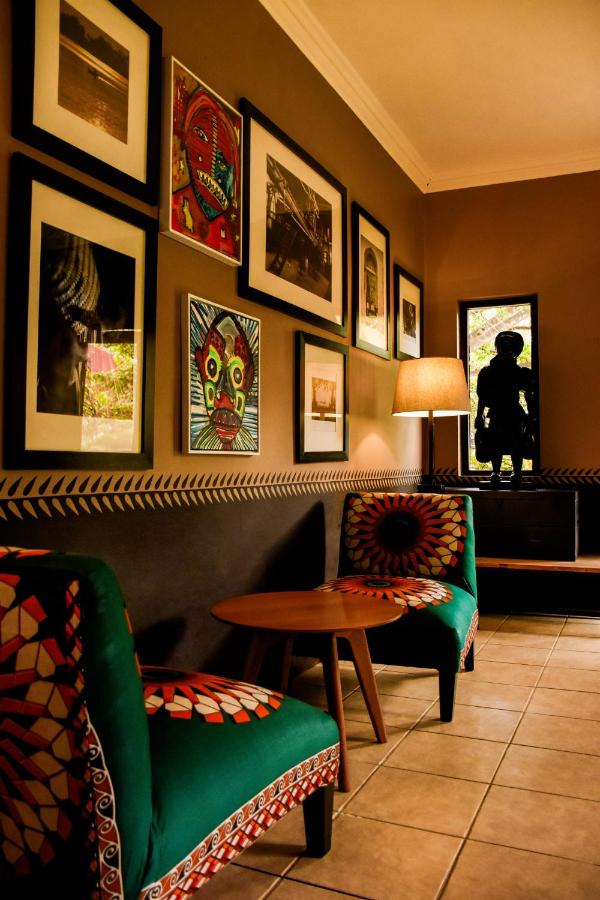
Finally back to the capital itself, Saõ Tomé, where it is a good choice to stay at the Omali Lodge, a stone's throw from the beach, with spacious rooms and excellent local and international cuisine.