
The OECD: ‘With over 40 per cent of foreign pupils having little knowledge of the national language, a class’s learning outcomes plummet’
Minister Valditara: “Other countries, including Germany, are also considering measures similar to those introduced in Italia under the ‘Scuola’ decree.”

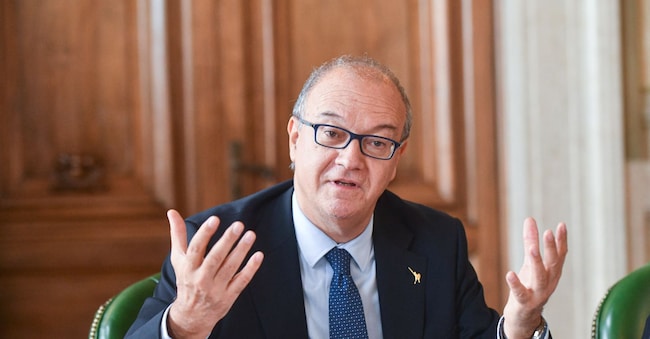
“OECD findings confirm that our decisions were the right ones: with over 40 per cent of foreign pupils having little knowledge of the national language, learning outcomes in the classroom plummet. It is no coincidence that other countries, including Germany, are also considering measures similar to those introduced in Italia under the Education Decree”. This was stated by the Minister for Education and Merit, Giuseppe Valditara, during the presentation of the OECD report, ‘Education at a Glance 2026’.
OECD data
The OECD data paint a positive picture of the Italian school system. With regard to the Italian language, pupils scored 474 points in reading, compared with the OECD average of 461, placing them on a par with Finland and ahead of France, Germany and Spain. There were also positive results in mathematics, where Italia outperformed Sweden and the United States, as well as Germany and France. “This confirms the quality of our education system,” commented the minister.
The role of parents
Still on the subject of Italian, Valditara emphasised the importance of the role played by families in the learning of the national language. ‘Parents’ knowledge of the language is fundamental to their children’s educational progress. The fact that a child learns Italian at school but then speaks another language at home is detrimental to their educational progress. Scientific evidence, as also cited by the OECD, shows that it is appropriate – as we have done with the Decree-Law – to introduce measures to promote knowledge of the Italian language amongst parents as well.”
Yes to separate collective bargaining
Addressing the topic of artificial intelligence, Valditara added: ‘In the age of AI, technical education is becoming increasingly crucial. The barrier between sixth-form education and technical and vocational education is being broken down, opening up new prospects for the enhancement of training programmes.’ Finally, the Minister emphasised: “The importance of separate collective bargaining to ensure greater competitiveness in salaries, as we have sought to achieve during this parliamentary term by signing three national collective agreements.”
Brand connect


Newsletter Scuola+
La newsletter premium dedicata al mondo della scuola con approfondimenti normativi, analisi e guide operative
Abbonati