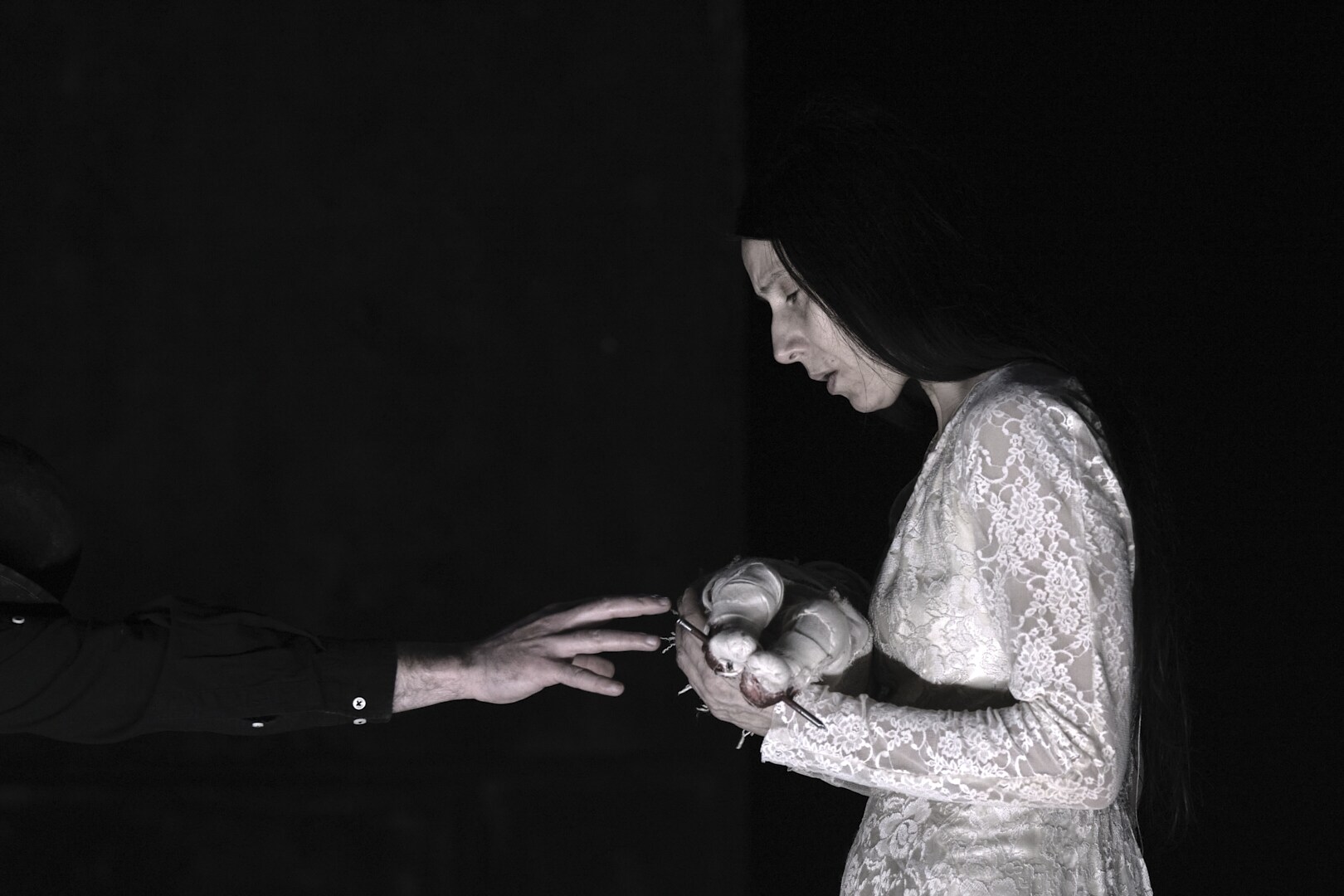
Oedipus resonates in Calabria
Sophocles' hero becomes 'king and scapegoat, chosen and outcast, son and husband, father and brother' in the amphitheatre of Gallicianò, in Aspromonte

2' min read
2' min read
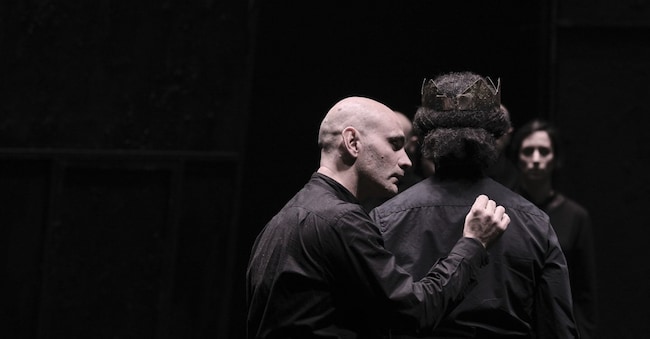
The meaning of the tragedy of Oedipus resounds more strongly in the land of myth: Sophocles' hero becomes 'king and scapegoat, chosen and outcast, son and husband, father and brother' in the amphitheatre of Gallicianò, inside Aspromonte, the heart of Greek Calabria. A lonely place in Bovesìa, not really a village, at most a contrada, hidden in the Hellenophone area of the province of Reggio Calabria, where the ancient language of the Greeks of Calabria is still spoken. There, on 6 August, at 7 p.m., Alessandro Serra, with 'Tragùdia - the song of Oedipus', returns the king of Thebes to contemporaneity, blowing on the ashes of tragedy, polis, ritual, myth, and hero.
From the rest of the world to Gallicianò
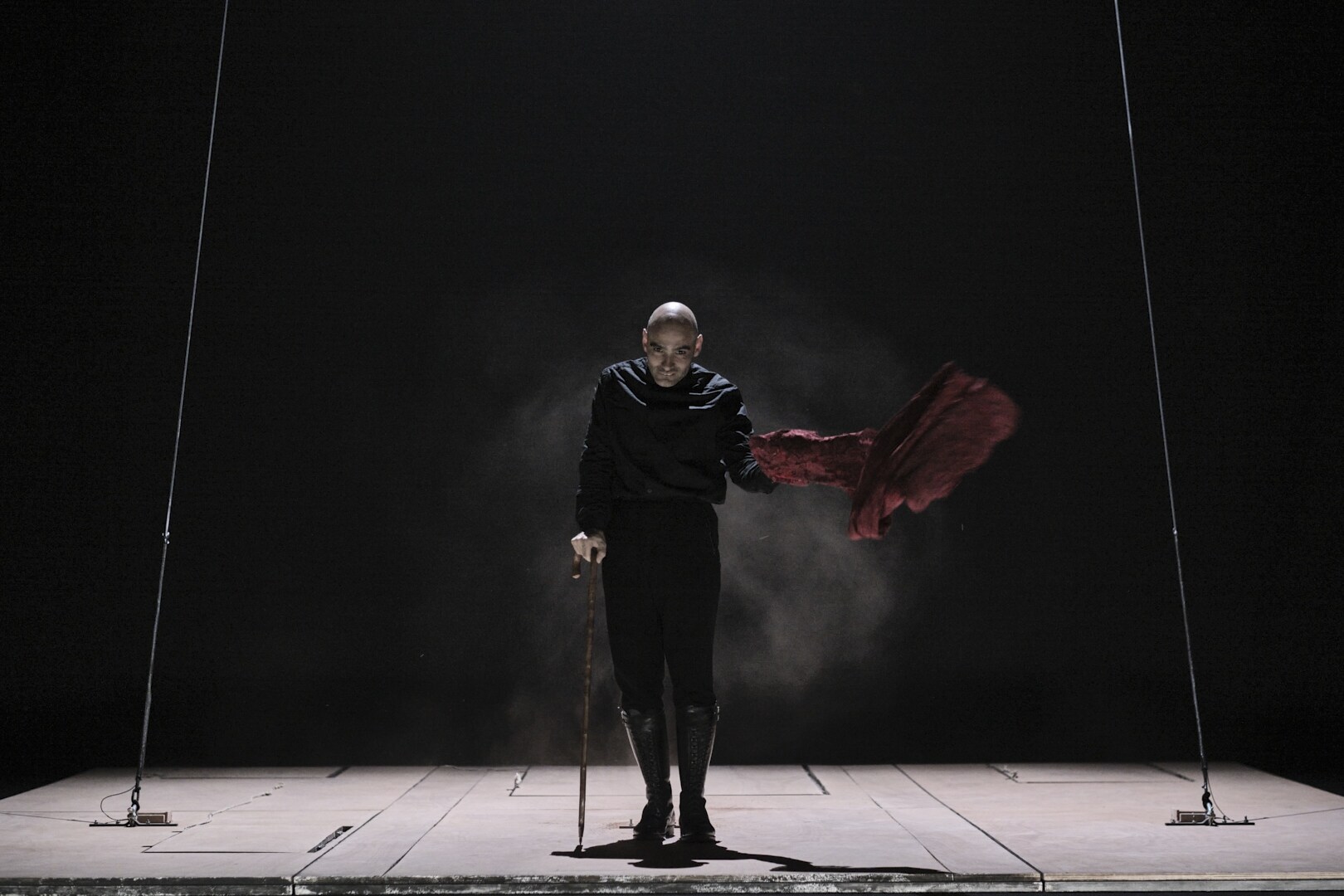
Director, author, set designer, and also costume designer for the occasion, Serra, founder of the Compagnia TeatroPersona, concludes his tour, which has toured the world, as far as Korea, 'in a remote corner of what was once Magna Graecia, a strip of land that climbs from the sea to Aspromonte, peering at Etna on the horizon,' he says. There, they still speak Grecanico, a musical, instinctive and sensual language, which Salvino Nucera - an intellectual and poet from Greek Calabria who died a few days ago - has always kept alive: it is his translation of the text written by Serra, inspired by the works of Sophocles and tales of myth.
The sound vestiges of the Grecanico
"Italian seems to lower the tragic to a dramatic fact. We chose Grecanico,' the director emphasises, 'its sound vestiges of an ancient Greek spoken today by a few individuals, children of a generation that was ashamed of the language of Homer and stopped handing it down'. The 'glicìa glòssa', the sweet language of the fathers, the elders call it.