Paris

OFFSCREEN focuses on installations, still images and moving images

At the fifth edition of the fair, a dialogue took place between galleries and the curatorial team, led by director Julien Frydman

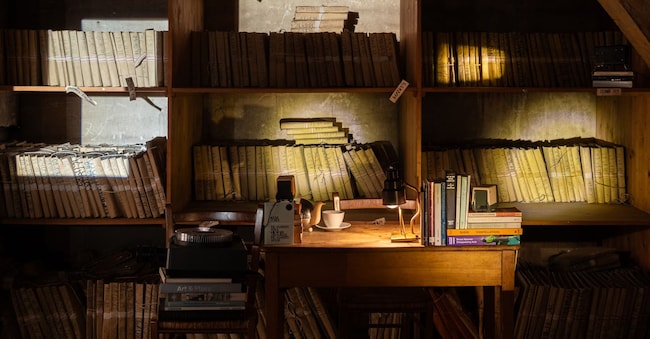
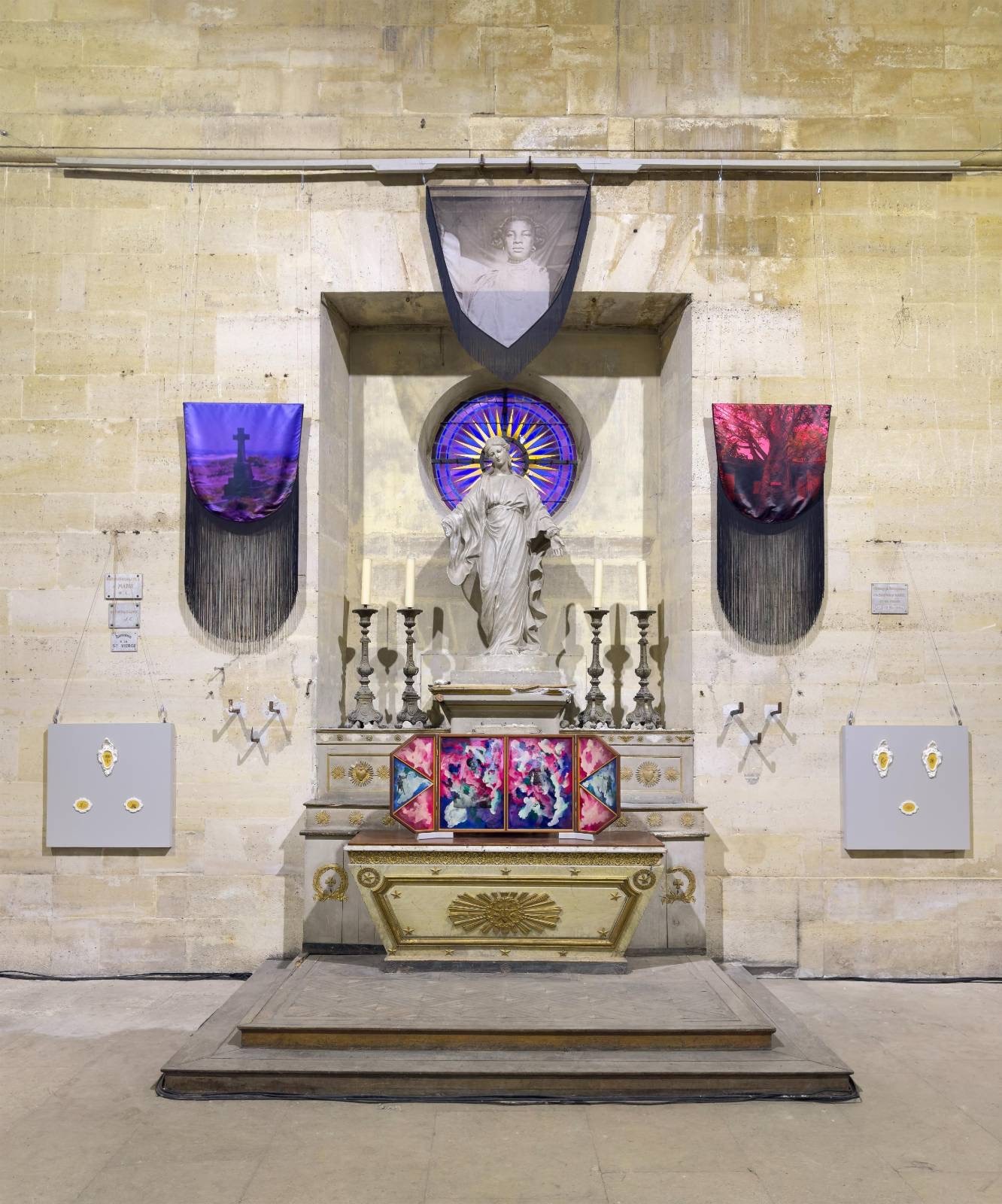
OFFSCREEN 2026, Installation Views. Andrea Geyer, Zander Galerie

4' min read

Translated by AI
Versione italiana

4' min read

Translated by AI
Versione italiana

You will have seen headlines everywhere such as ‘Paris is burning and Basel is making millions’: protests outside, deals being struck inside. But art cannot isolate itself from the context in which it is created and exhibited, nor can it be apolitical, turning a blind eye to people’s needs. The flagship fair of the Paris art week closed two days early as a precaution, precisely at the weekend when the general public usually flocks to the Grand Palais. Some fairs, however, held out, remaining more off the radar.

OFFSCREEN, dedicated to still and moving images and installations, is now in its fifth edition and is being held at the Chapelle Saint-Louis de la Salpêtrière for the second year running. From 20 to 25 October, it brought together over 30 international artists and the Acquisitions & Discoveries programme, featuring works from the Pinault Collection and the Whitney Museum of American Art. The artist of honour was Ana Mendieta (1948–1985), presented by the Marian Goodman Gallery with some of her most famous videos. The curatorial residency (which hosts 24 curators) awarded joint first prize to Sarah Brahim, from Albion Jeune, for ‘In Search of an Honest Map’ (2025), and Andrea Geyer, from Zander Galerie, with ‘Feeding the Ghosts’ (2019), in a site-specific version.
Loading...

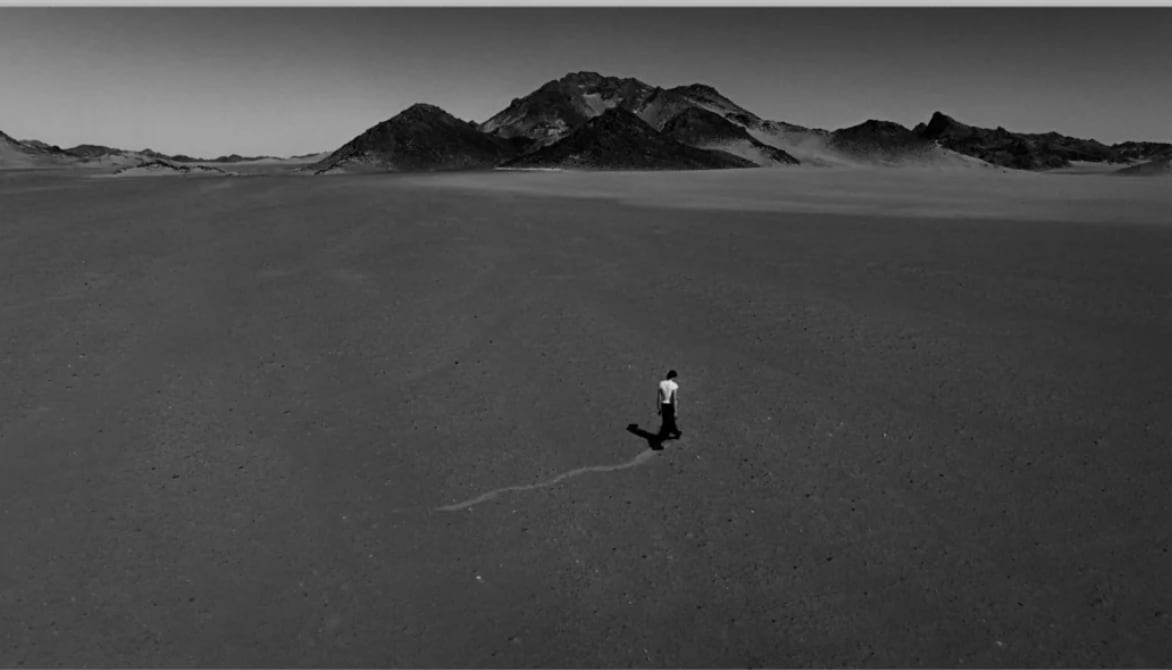
Sarah Brahim, «In the Search of an honest Map» (2025)

The proposals

Brahim (born 1992 in Riyadh), who has just opened the new season of FOROF in Rome, has presented videos and photographs (€10,000–75,000) in which the body moves through the Saudi desert, poetically charting the landscape. It is the dialogue between galleries and the curatorial team, led by founder Julien Frydman, that sets OFFSCREEN apart as an exhibition project. At the entrance, ‘Garage – sometimes you can see much more’ by Giovanni Ozzola, for Galleria Continua, features a roller shutter that rises to reveal the sea. Editions priced between 38,000 and 50,000 euros.
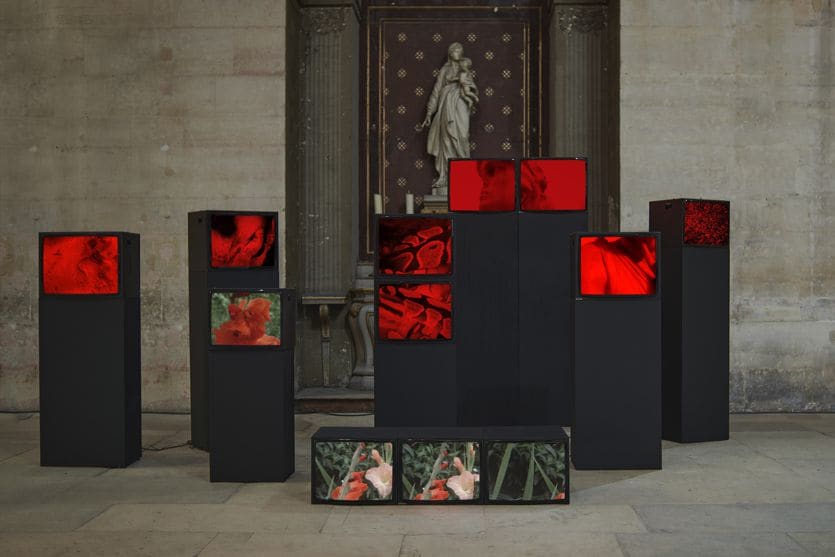
Valentina Furian «Capriccio», video installation, 2026

Among the most politically charged works, ‘Pobres matando Pobres’ by Moris, represented by the Madrid-based NF/Nieves Fernández, tackled the issues of poverty and violence. Drawing on the cartoons of José Guadalupe Posada, the artist removed the heads of the criminals depicted, alluding to the restrictions on depicting the eyes of those under arrest. The ritual masks, on the other hand, evoke the reconstruction of a collective identity. The book *Cenotafio* (25,000 euros) compiles the front pages of Mexico’s most widely read daily newspaper in 2025, chronicling the stories of the victims of violence.
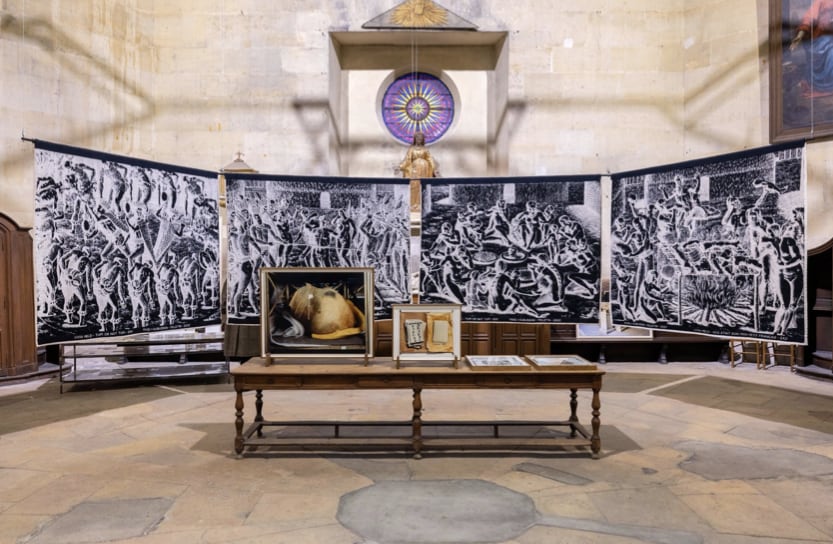
Installation view, «Laboratory for a Museum of the Future», Livia Melzi

Video, sculpture and much more

UNA GALLERIA (Piacenza and Milan) presented ‘Capriccio’ by Valentina Furian, a 12-channel video installation stemming from the ‘Eclissi’ research project, which was acquired by the Castello di Rivoli at the last Artissima. Featuring statues, the River Dora, animals and flowers, the work reflects on the control of animals and, through the history of the Salpêtrière, on women marginalised for failing to conform to social norms. The first edition, which is indivisible and intended for museum acquisition, costs 27,000 euros; subsequent editions can also be purchased as individual videos.
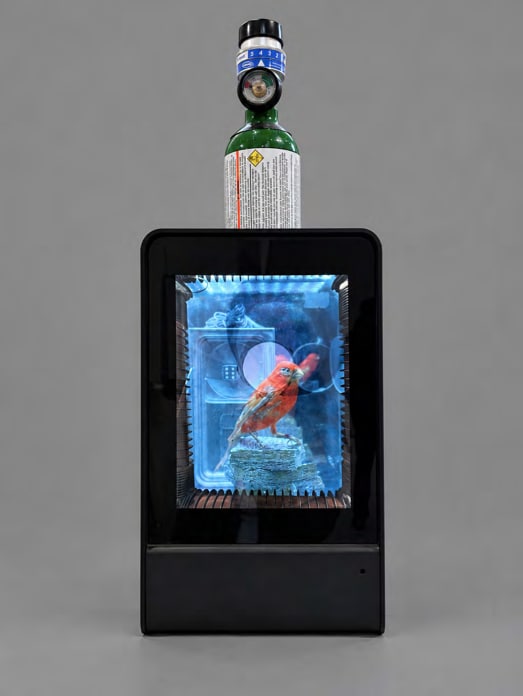
New York-based Picture Theory presented the Italian-American Jason Isolini with ‘Revival Cages’ (2023), which originated from a performance taking place across two mining sites. The film-sculpture transforms the landscape, photographed on large-format Kodak film, into a colossal negative. Five dioramas featuring birds and transparent LCD screens recall the canaries once used to detect dangerous gases; the oxygen cylinders evoke the equipment used to resuscitate them. The ‘canary in the coal mine’ becomes a metaphor for a warning of imminent danger. Each diorama costs 12,500 euros; one has been sold; the complete installation costs around 60,000.

At NIKA Project Space – originally based in Dubai and also with a branch in Romainville – Adel Abidin’s ‘They Were Here’ draws on a Sumerian artefact held at the British Museum, reproduced without the figures that depicted scenes of war and peace. The video imagines the characters searching for a new identity through clothing, languages and integration, whilst addressing migration and conflicts in the Middle East.

Copperfield, Shiraz Bayjoo installation view OFFSCREEN

Whilst the Elizabeth Xi Bauer Gallery has juxtaposed photographs and magazine cuttings by Petra Feriancová, the monumental tapestries by Lívia Melzi have been presented by Salon/H. Melzi, who reinterprets ethnographic archives through a decolonial lens: four tapestries (€12,000 each), inspired by the 16th-century engravings by Théodore de Bry depicting European expeditions to the New World, are displayed inside out, revealing the weave as a metaphor for the construction of history and the subjugation of indigenous peoples.

At Enrico Astuni’s stand, Steven Pippin transformed everyday objects into pinhole cameras. Between 1997 and 1998, he converted 12 washing machines into photographic devices, paying homage to Eadweard Muybridge and his experiments with motion. In a series from 2010–2011, he fired bullets at the cameras, exposing the film before the bullets could damage them: the instrument becomes both the subject and the medium of the image. The main installation costs around 75,000 euros, whilst the photographs cost around 10,000.

Jason Isolini, «Revival Cage TLCD2», 2023, galleria Picture Theory

At SUPRAINFINIT in Paris, Daria Koltsova presented ‘News from Home’ (2024), which transforms Ukrainian landscapes destined to disappear into nostalgic souvenirs, blending personal memories with places devastated by war. ‘The Kiosk’ (2025) features a postcard kiosk with stained-glass windows made from the postcards themselves. The postcards cost 650 euros, the kiosk 45,000; the price of the installation varies depending on the postcards and shelves.

Loading...

The Icelandic gallery BERG Contemporary presented ‘Geomania’ (1986) by Steina Vasulka, a pioneer of video art who, together with her husband Woody Vasulka, founded The Kitchen in New York in 1971. The landscapes of Iceland and New Mexico are interwoven with sound through an analogue process. The ziggurat-like structure of overlapping screens has characterised her work since the 1970s. The larger version comprises 21 monitors; the 15-monitor version costs between 80,000 and 120,000 euros. It is the video files that are sold, not the screens.

Finally, the Copperfield Gallery in London featured Shiraz Bayjoo, originally from Mauritius, who explores the colonial and post-colonial histories of the Indian Ocean through archives, photographs and textiles. A tapestry dedicated to a Sakalava queen of Madagascar highlights the contradictions of those who defended independence from European control yet also supported the slave trade. Among the works, priced between 4,500 and 18,000 euros, a photographic decal on sapele wood depicts Malagasy people who worked for the French as mercenaries. In the chapel, the works thus engage with historical memory, power and the exhibition space.

Copyright reserved ©
Loading...

Brand connect

Loading...

Newsletter

Notizie e approfondimenti sugli avvenimenti politici, economici e finanziari.

Iscriviti