
Descalzi: New Hormuz blockade changes the global energy landscape
Eni’s chief executive: ‘Complete halt to Russian gas from January’

Key points
“From an energy perspective, we are in a situation where the price has obviously not yet signalled this as a major problem, because around 400 million barrels of reserves have been drawn down by OECD countries and released onto the market, which has helped keep prices within a range of between 90 and 100 dollars’.”
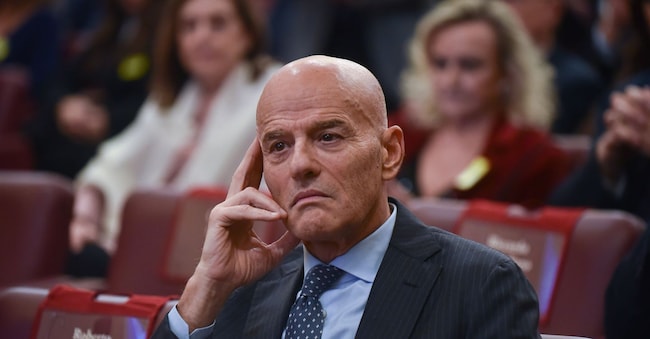
This was stated by Eni’s chief executive, Claudio Descalzi, during a hearing before the Chamber of Deputies’ Committee on Productive Activities. “Following the signing of the agreement (with Iran, ed.), the price fell to $68, we have now returned to around 85,” said Descalzi, “obviously because there was no positive follow-up to that signing; now, since 11 July, not a single ship has passed through the Strait, so there is a new blockade. This changes the state of affairs; it changes it for Europe, and in this case, it changes it on a global scale.”
“There is talk of a shortage of crude oil,” continued Eni’s chief executive, “but refined products are very important, because they are ultimately consumed and drive up prices. For us, as in Europe, these are diesel and jet fuel .”
Jet fuel “was already in short supply; ever since access to the Russian market was cut off, around 60 per cent had been coming from the Gulf. And now it is US refineries that are making up the shortfall, operating at 95 per cent of their potential production capacity in order to compensate for the shortages”.
Descalzi: ‘Complete halt to Russian gas from January’
“As regards gas supplies,” said Descalzi, “36 billion from Russia will have to be offset by the United States or East Asia – this means we will face a further problem from January 2027. The aftermath of the war will lead to a complete halt in gas supplies to Europe.”

