Olympics, Bracco Foundation brings 'A Life for Sport' exhibition to Verona
A survey in collaboration with the Pavia Observatory will monitor the presence of female athletes in the national media, who make up 47% of the participants in the Milan Cortina Games. After Paris their coverage in the news dropped from 51% to 25%
Key points
- The exhibition linking Milan and Verona, the opening and closing cities of the Games
- The Olympics, a stage in a cultural journey for a more equal and inclusive society
- Women's sporting achievements little covered in the media
- Coverage monitoring during the Milan Cortina Olympics
- In every medal won by a woman, a collective message for the whole of society
- The most gender-equal Olympics ever?
- Women make up 47% of those competing in the Milano Cortina Games
'For me, too often, the media narrative about women in sport does not live up to their achievements'. As a woman, an enlightened entrepreneur who is very attentive to gender equality, and a sports enthusiast, Diana Bracco says that women 'still today, are judged for who they are before what they do. Their appearance, their age, their private life receive more attention than their performance, their strategies, their results. This is not only unfair: it is a missed opportunity for society as a whole'. This is confirmed by the data of a research study devised by the Pavia Observatory and the Gi.U.Li.A. Giornaliste association, with the support of the Bracco Foundation and with the support of the European Commission Representation in Italy, presented yesterday at the Teatrino of Palazzo Visconti in Milan (headquarters of the Bracco Foundation), which shows the collapse of media coverage of women's sports, after the 2024 Paris Olympics and Paralympics.
The exhibition that links Milan and Verona, the opening and closing cities of the Games
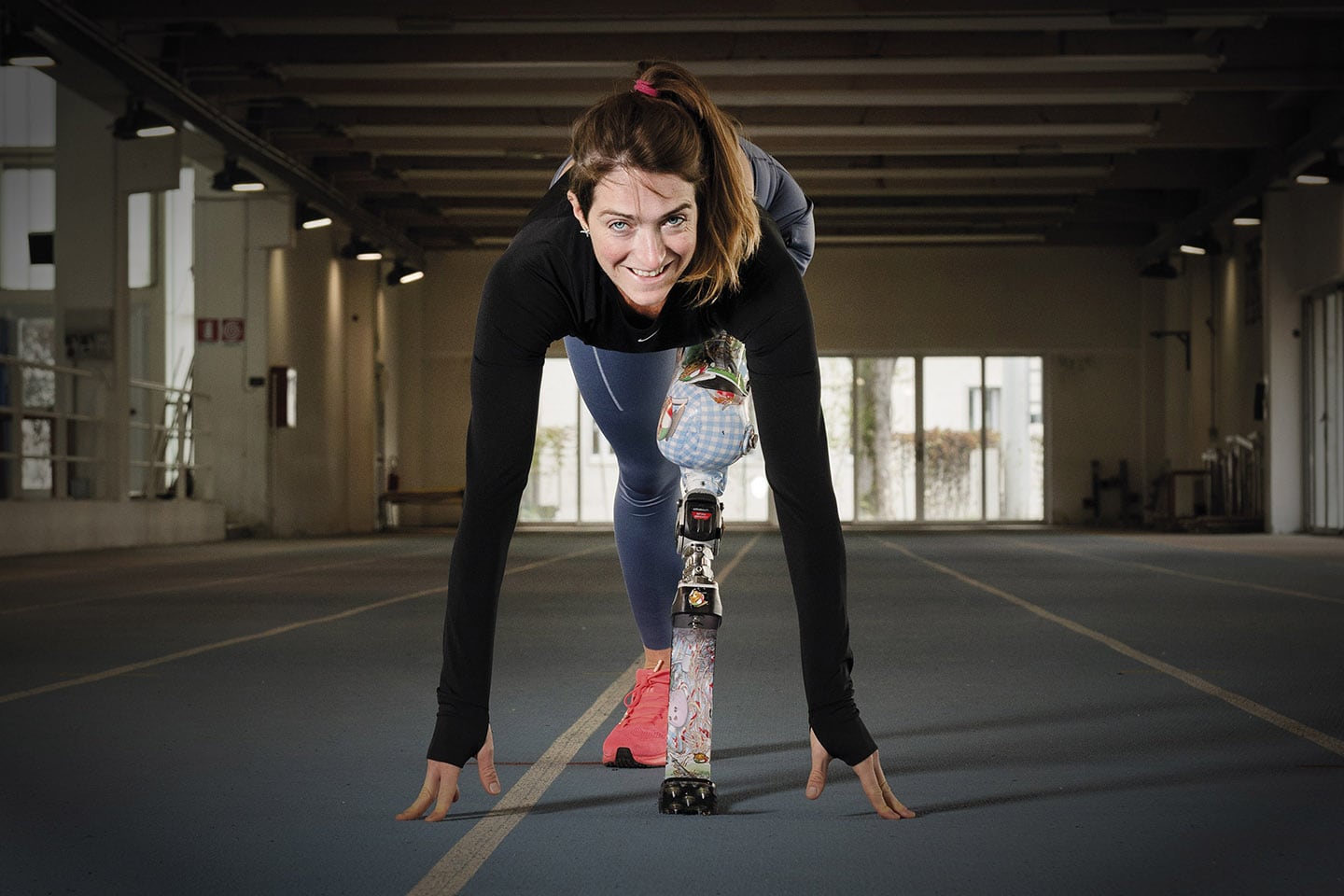
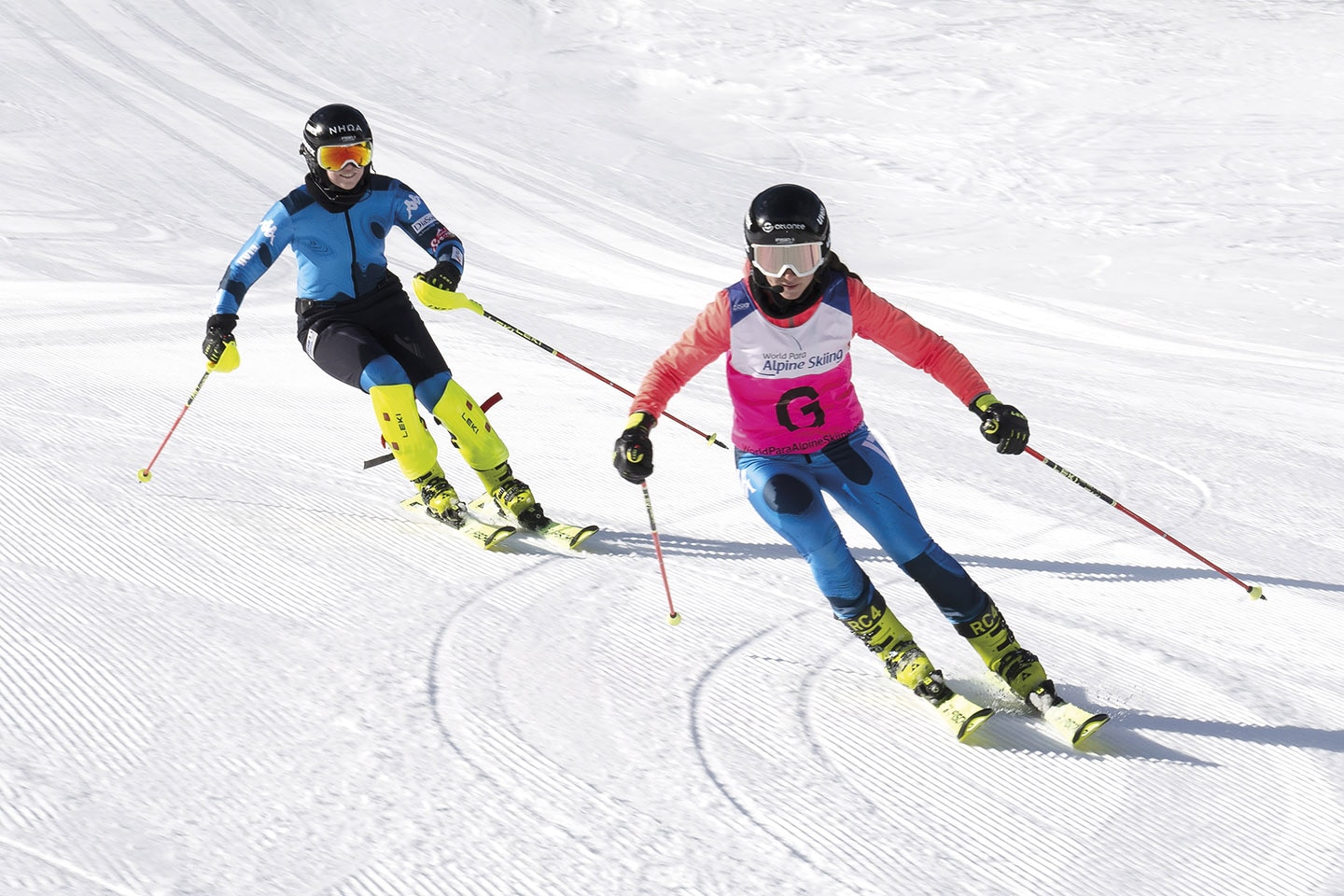
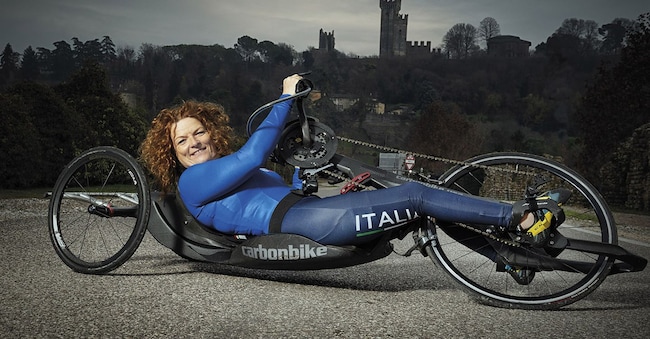
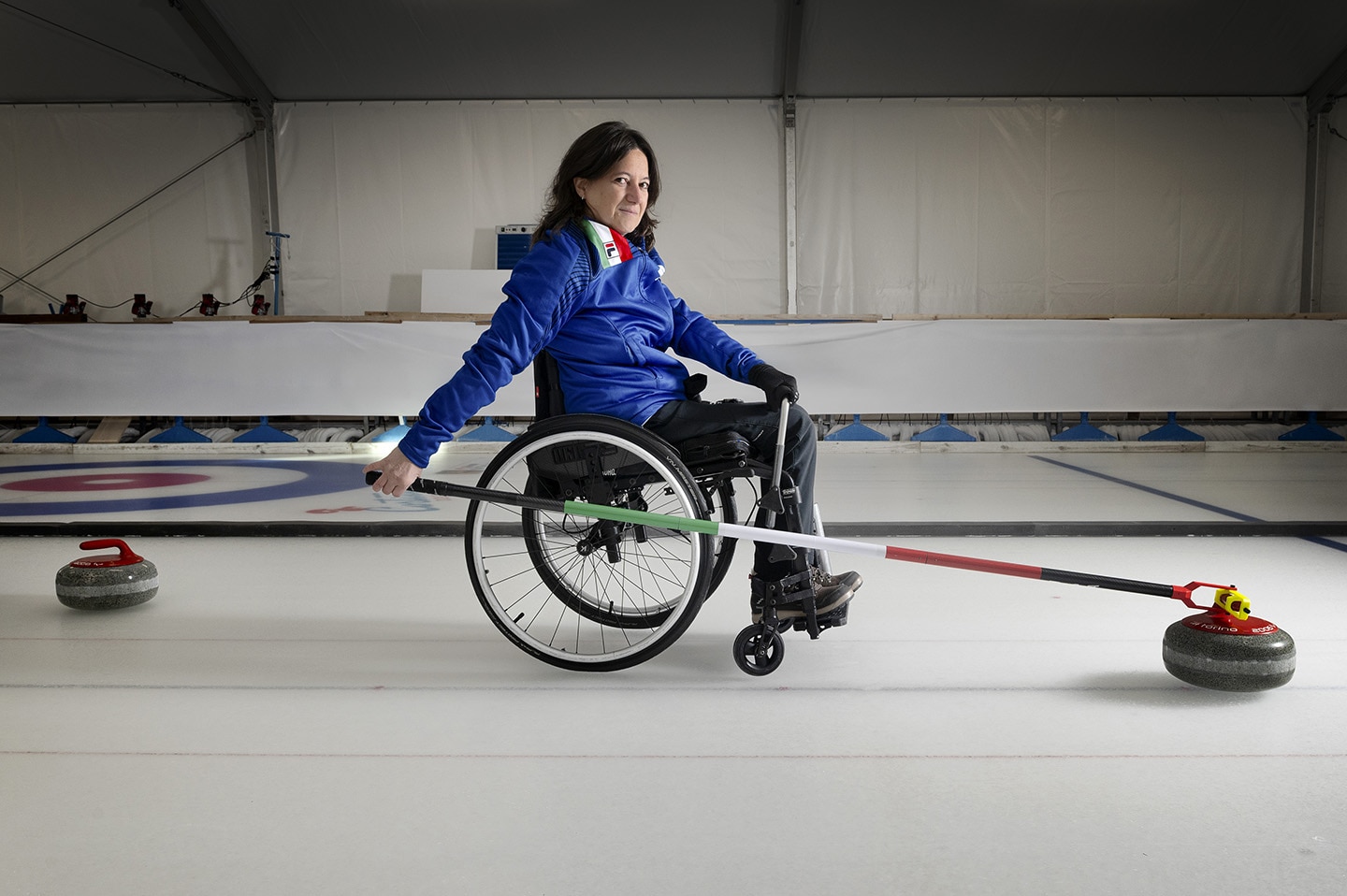
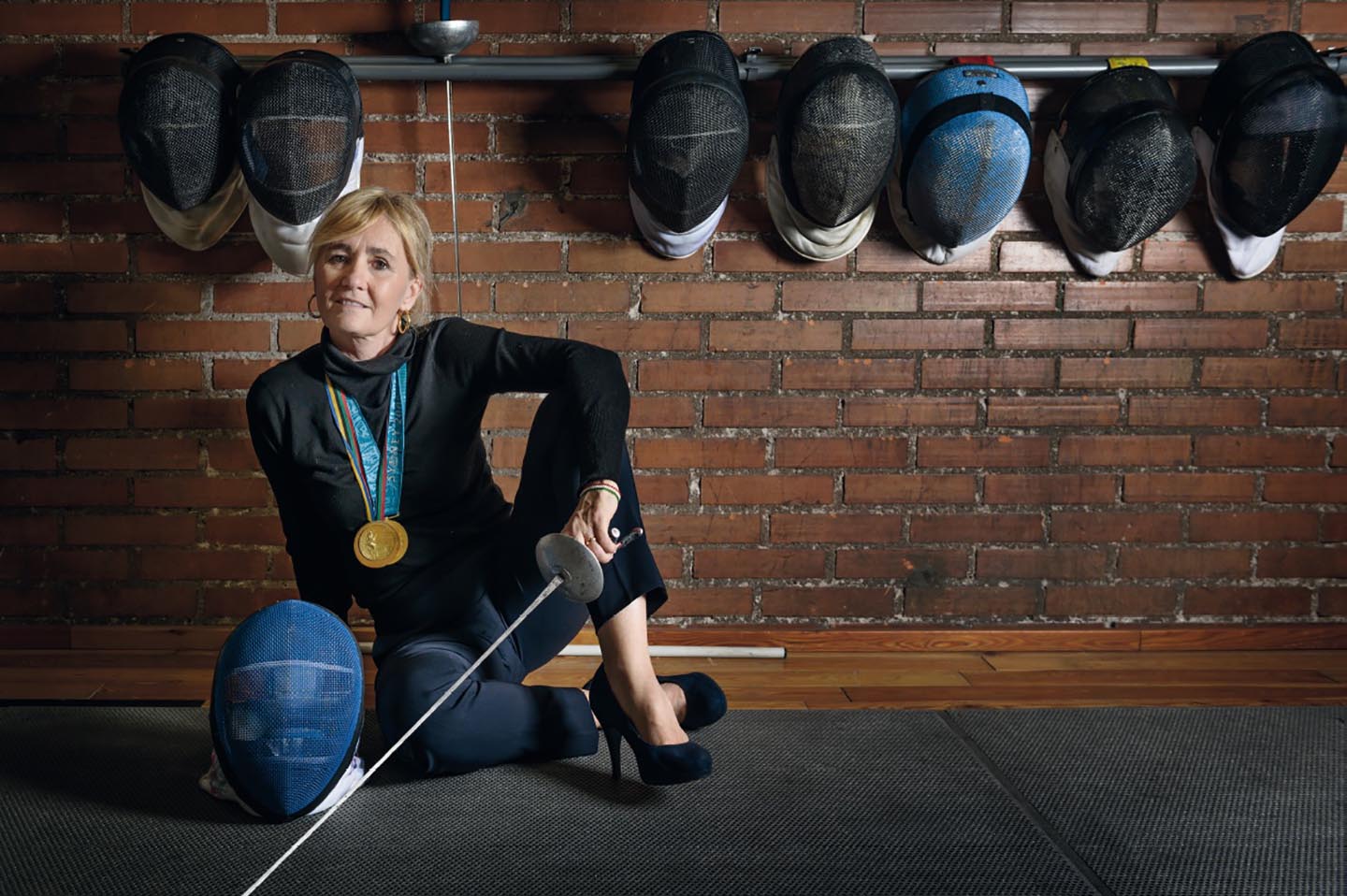
In the foyer of the Teatrino, a selection of themed works by two contemporary artists, which will adorn the spaces until the end of the Milan Cortina Olympic Games, refers to the new stage of the Bracco Foundation's exhibition dedicated to women and sport. "A life for sport. Faces and achievements of the #100 female athletes', with portraits signed by Gerald Bruneau of great female champions, after being exhibited in Corso Vittorio Emanuele II in Milan, the city of the inauguration of the Games, will move from 4 February to 15 March to Corso Porta Borsari in Verona, the city that will host the closing of the Games. "An athlete recounted for her strength, her tactical intelligence, her determination, as Bruneau is able to do, and as we hope will increasingly happen in the media, conveys an inspirational and inclusive message that makes everyone understand, starting with little girls, that talent counts more than anything else," says Diana Bracco. "Media representation is never neutral: it creates models, influences the collective imagination, and orients the aspirations of the new generations. The value of these biographies is inestimable: let us be inspired'.
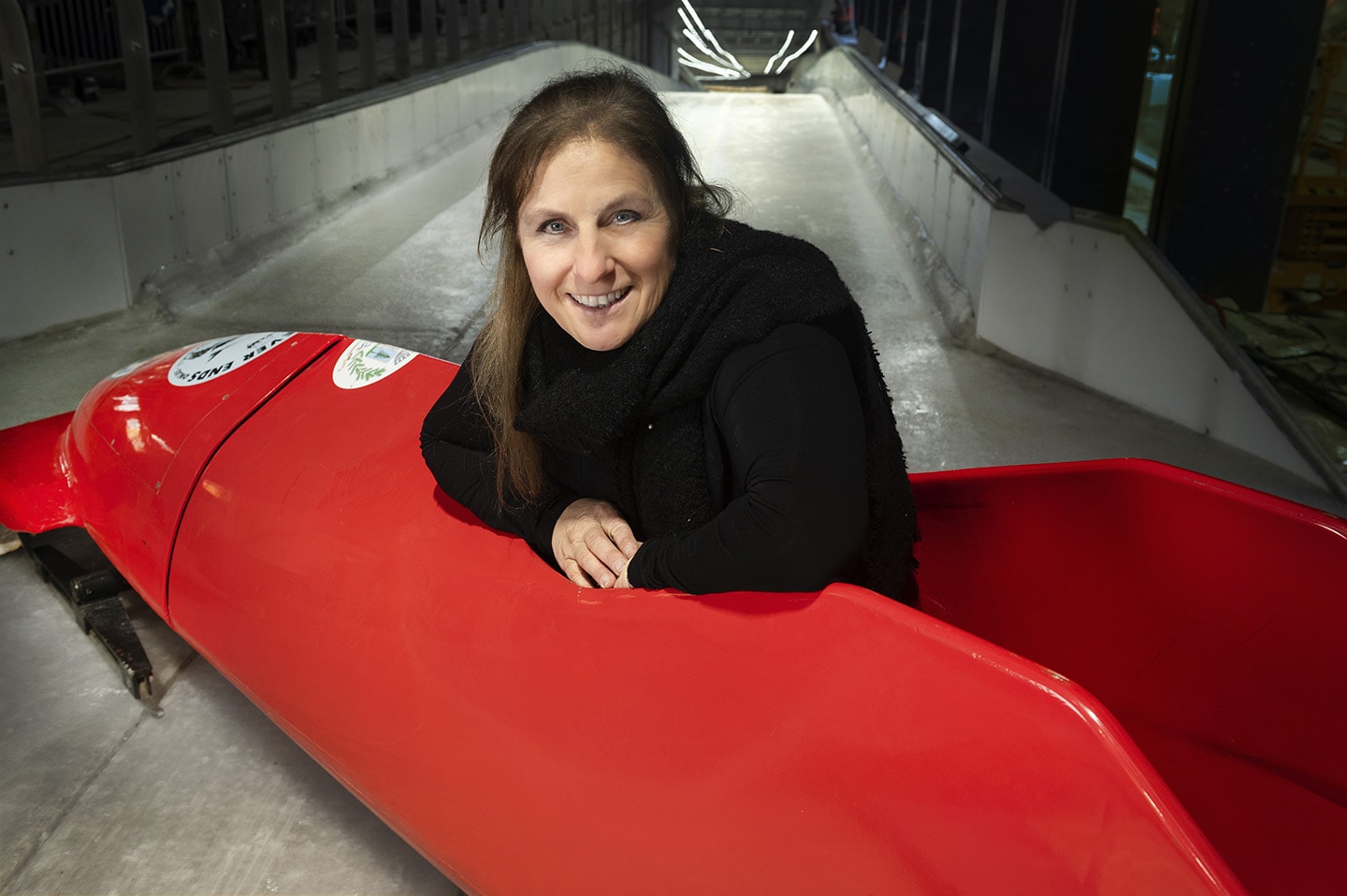
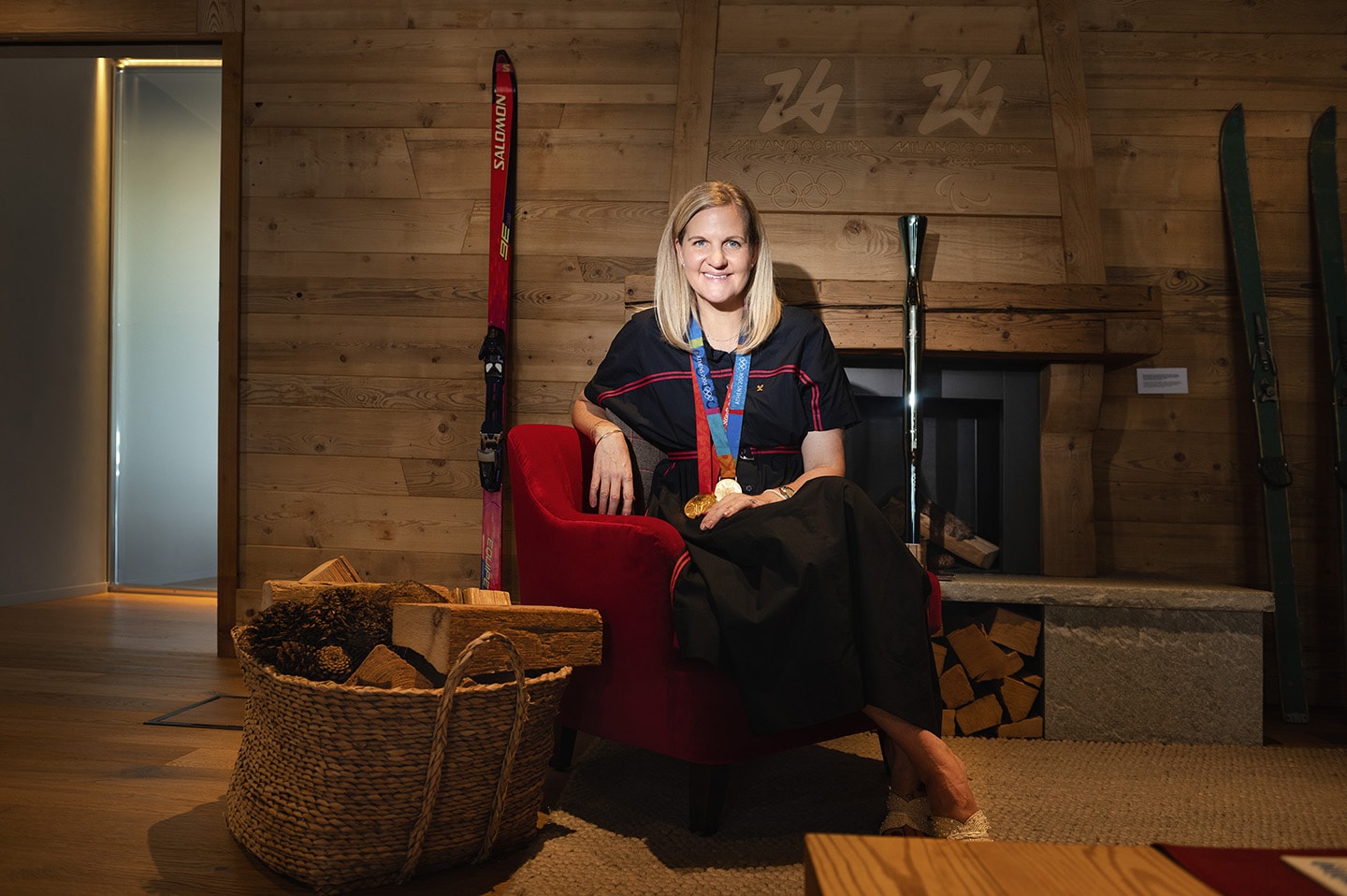
Compared to the stage in Milan, there will be three new shots in Verona: Gerda Weissensteiner, multiple Olympic medallist in bobsleigh and luge, Angela Menardi, Paralympic wheelchair curling athlete selected to compete in the next Paralympics, and Kirsty Coventry, the first woman to be elected President of the IOC. "This gallery is a narrative of stories steeped in strong values, telling of an unwavering passion for sport," says Diana Bracco, president of the eponymous Foundation. "Courageous women, who with tenacity and determination have been able to impose themselves in many disciplines, including those once considered the exclusive domain of men. Women champions who overcame difficulties and prejudices, achieving success both on the competition fields and in sporting institutions. Personally, I have always believed that competitive activity represents an extraordinary opportunity for growth, training and comparison, and a vehicle for inclusion. We strive to make women's skills visible. The value of these biographies is inestimable: let us be inspired'.
The Olympics, a stage in a cultural journey for a more equal and inclusive society
Moreover, as the mayor of Milan, Giuseppe Sala, observes, 'it would be a missed opportunity if the window of visibility offered by Milan Cortina 2026 were not used to help promote the change necessary to make our society more equal and inclusive. The exhibition 'A life for sport' is an important stage in this social and cultural journey that must lead to unhinging and overcoming gender stereotypes and prejudices. The elegant shots proposed celebrate, through the experience and the story of each of the protagonists portrayed, the added value that these women have been able to give and give on a daily basis to the world of sport, through their commitment, their competence, the quality of their competitive or organisational performance, through the inspiration they manage to convey'.
Contributors to the day included Eugenia Roccella, Minister for Equal Opportunities and the Family, Federica Picchi, Undersecretary for Sport and Youths of the Lombardy Region, Martina Riva, Councillor for Sport, Tourism and Youth Policies of the Municipality of Milan, Alessia Rotta, Councillor for Trade and Events of the Municipality of Verona, Andrea Monti, Director of Communication of the Milan Cortina 2026 Foundation, Charlotte Groppo, Head of Gender Equality, Diversity and Inclusion of the International Olympic Committee and Monia Azzalini, Head of Diversity, Equity and Inclusion of the Pavia Observatory.