Trade

The summer sales start on 4 July – here are the rules you need to know to shop safely

Promotional sale dates, region by region

3' min read

Translated by AI
Versione italiana

3' min read

Translated by AI
Versione italiana

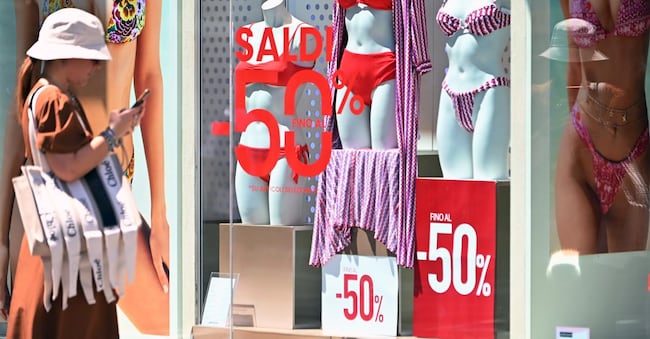
Saturday 4 July. This year, this date coincides with Independence Day, marking the start of the summer sales across Italia, which will almost always end after 60 days but in some cases will run until September. Then there are special cases, such as South Tyrol, where the dates are chosen according to the commercial district or locality, and the province of Trento, where retailers are free to determine the periods during which to hold the sales.

The rules are quite different, however, when it comes to promotional sales: some regions allow them throughout the year, as is the case in Abruzzo, Friuli Venezia Giulia, Sicily and Umbria. Other regions, however, ban them before the official sales period begins: this rule is in force in Basilicata, Calabria, Campania, Emilia-Romagna, Lazio, Liguria, Lombardy, Marche, Molise, Piedmont, Puglia, Sardinia, Tuscany, Valle d’Aosta and Veneto. When it comes to consumer benefits, there are regions that ban promotional sales after the start or at the end of the sales period, but there are also those that stop promotions even after the sales have begun, as is the case in Molise.

Loading...

For retailers, the sales are an opportunity to clear stock – unsold goods from the summer season – in order to raise the cash needed to pay for the autumn/winter collection. The fact remains that we so often see a constant stream of promotions, flash sales, mid-season discounts and invitation-only offers that the traditional sales format seems obsolete.

Key rules for traders and customers

Ahead of the summer sales period, Federazione Moda Italia and Confcommercio have issued a series of key guidelines for both retailers and customers to ensure that purchases made during the sales comply with safety and transparency standards:

 Exchanges: the option to exchange an item after purchase is generally at the retailer’s discretion, unless the product is damaged or does not comply with the specifications (Legislative Decree No. 206 of 6 September 2005, Consumer Code). In such cases, the retailer is obliged to repair or replace the item and, if this proves impossible, to offer a price reduction or a refund of the amount paid. However, the buyer is required to report the fault within two months of discovering the defect. Unlike purchases made in physical shops, online purchases can be returned or exchanged within 14 days of receipt, regardless of whether there is a fault.

 Trying on clothes: there is no obligation. It is at the shopkeeper’s discretion;

 Payments: credit cards must be accepted by the retailer and cashless payments should be encouraged;

 Products on sale: items offered in the sale must be seasonal or fashion-related and likely to depreciate significantly if not sold within a certain period of time;

 Price indication: the normal selling price must be indicated (bearing in mind that, in accordance with Legislative Decree 26/2023, the lowest price applied to the general public in the thirty days prior to the start of the sales must be stated), the discount and the final price. In particular, it should be noted that in regions where promotional sales may be held at any time of the year (Abruzzo, Friuli Venezia Giulia, Sicily and Umbria) or up to 15 days before the start of the sales (Calabria, Puglia and Valle d’Aosta), the price to be taken into account and to which the discount is to be applied during the sales must be that relating to any promotional campaign carried out prior to the sales.

Copyright reserved ©
Loading...

Brand connect

Loading...

Newsletter

Notizie e approfondimenti sugli avvenimenti politici, economici e finanziari.

Iscriviti