Nuclear Power and AI

“We’re ready for nuclear power; we need stable regulations, clear timelines and a strategy”

Fabrizio Fabbri, CEO of Ansaldo Energia, says: “The new financial year confirms the decision to transform Ansaldo Nucleare into a business unit”

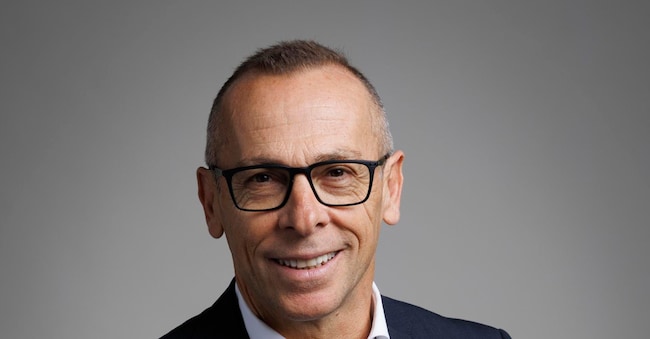
Fabrizio Fabbri, amministratore delegato di Ansaldo Energia

5' min read

Translated by AI
Versione italiana

5' min read

Translated by AI
Versione italiana

Ansaldo Energia is ready to play its part in the new nuclear energy sector, not least because it has never stopped working on it. This was stated by Chief Executive Fabrizio Fabbri during a discussion with DigtEconomy.24, in collaboration with Digit’Ed, whilst awaiting the approval of the implementing decrees for the enabling act on sustainable nuclear power. “We aim,” he emphasises, “to increase nuclear revenue from €118 million in 2025 to around €270 million in 2030, with orders totalling around €200 million in 2030. We will invest 300 million over the next 10 years to expand our manufacturing capacity.”

However, he explains, what is now needed is a stable regulatory framework, predictable authorisation timescales and a long-term industrial strategy. As for the decision to transform the subsidiary Ansaldo Nucleare into a division of the group, “this new phase confirms the validity of that decision. We are strengthening our focus on nuclear power through a dedicated business unit, giving the sector a more central role in the group’s strategy.”

Loading...

The potential of AI in the nuclear sector, on the other hand, lies ‘primarily in design and simulation, data analysis, diagnostics and maintenance. It is still too early to quantify the reduction in time and costs, but the direction is clear: to increase efficiency and industrial capacity, whilst maintaining safety as an essential requirement’.

Following the passing of the new nuclear law, is Ansaldo Energia ready to play its part in the new landscape? What are the most significant impacts you anticipate on your business plan?

We are ready, not least because we have never stopped working in the nuclear sector. It is a key growth area in our business plan, and we operate across most of the value chain: engineering, life extension, decommissioning, waste management, SMRs and advanced reactors, right through to fusion. The new law marks the start of this journey: what is needed now is a stable regulatory framework, predictable authorisation timescales and a long-term industrial strategy. We aim to increase nuclear revenue from €118 million in 2025 to around €270 million in 2030, with orders totalling around €200 million in 2030. We will invest 300 million over the next 10 years to expand our manufacturing capacity. Since 2023, the number of staff in Italia dedicated to the nuclear sector has risen from 149 to around 250. The outlook extends beyond Ansaldo Energia. A study by the TEHA Group, Edison and Ansaldo estimates that up to 20 SMRs and AMRs, capable of meeting around 10 per cent of Italy’s electricity demand by 2050, could generate an economic impact of over 50 billion euros and create up to 117,000 direct, indirect and induced jobs.

You have recently decided to integrate Ansaldo Nucleare into Ansaldo Energia. In light of the new chapter that is beginning, was this the right decision? Would it not have been more effective to keep Ansaldo Nucleare as a separate company, with greater autonomy and focus?

On the contrary, this new season confirms that the decision was the right one. We are strengthening our focus on nuclear power through a dedicated business unit, giving the sector a more central role in the group’s strategy. We are combining over sixty years of nuclear expertise with Ansaldo Energia’s industrial scale in engineering, manufacturing, supply chain management and services. We will be able to tackle larger and more complex programmes, speed up decision-making and make better use of the Group’s resources. This model is consistent with the organisational structure launched in 2023 and has already been successfully adopted for much larger business segments, such as services and the manufacture of turbines and generators. We are also maintaining clear and consistent managerial accountability: Daniela Gentile, currently Chief Executive of Ansaldo Nucleare, will lead the Nuclear business unit and the sector’s strategic development initiatives.

How much of your turnover is currently generated in Italia and how much abroad? And how do you expect this mix to change with the return of nuclear power in Italia?

Today, around 70 per cent of the group’s turnover is generated abroad. We are an Italian company with a strong international focus, which is even more evident in the nuclear sector, where, in the absence of a national programme, we have continued to develop expertise in foreign markets. Between now and the mid-2030s, a new domestic market will gradually emerge, but there is no need to choose between Italia and overseas: the Italian market can become an important driver of growth, whilst internationalisation will remain fundamental. A strong and active Italian supply chain within the new national nuclear programme also boosts our international competitiveness. This is the principle behind the work we have begun with RINA to support new Italian companies in meeting the standards and certifications required by the nuclear sector.

Minister Pichetto Fratin has indicated 2033–2034 as a possible timeframe for the first nuclear reactors to become operational in Italia. In eight years’ time, however, technology may have changed radically: how can we ensure that the regulatory framework does not become obsolete by the time the first plants come online? And which technologies do you believe are most likely to be truly mature and competitive by then?

Loading...

This risk can be avoided if the legislation sets out requirements, safety standards and processes, taking into account the industrial leap that new nuclear power brings with it. SMRs are changing the paradigm: we are moving away from one-off designs towards standardisation, modularity and mass production. The benchmark is the aerospace industry: a standard is certified, replicated and developed over time. SMRs also shift an increasing proportion of construction from the building site to the factory: an approach consistent with the Italian manufacturing system. Water-cooled SMRs are currently closer to industrialisation, as they are based on widely proven technologies. Fourth-generation Advanced Modular Reactors, including the lead-cooled reactors we are working on as part of the European EU-SMR-LFR programme, represent the next stage.

What role is artificial intelligence already playing in your industrial processes and systems? To what extent can AI reduce the time and costs involved in designing and managing new reactors?

In the power generation sector, AI today is, first and foremost, a driver of electricity demand. Gas turbines can respond rapidly to this growth, and nuclear power will also contribute in the long term. At the same time, digitalisation and AI support plant management. At Ansaldo Energia, we see this in Integrated Plant Support, the monitoring and diagnostics platform for power stations: the continuous analysis of operational data using digital tools and advanced algorithms enables us to identify anomalies in advance, improve diagnostics and support maintenance decisions. In the nuclear sector, the potential lies primarily in design and simulation, data analysis, diagnostics and maintenance. It is still too early to quantify the reduction in time and costs, but the direction is clear: to increase efficiency and industrial capacity, whilst maintaining safety as an essential requirement.

Copyright reserved ©
Loading...

Brand connect

Loading...

Newsletter

Notizie e approfondimenti sugli avvenimenti politici, economici e finanziari.

Iscriviti