On the routes of the Tequila Express between cocktails, music and art
In the state of Jalisco on board a train travelling through agave fields, the plants from which the country's most famous distillate is made

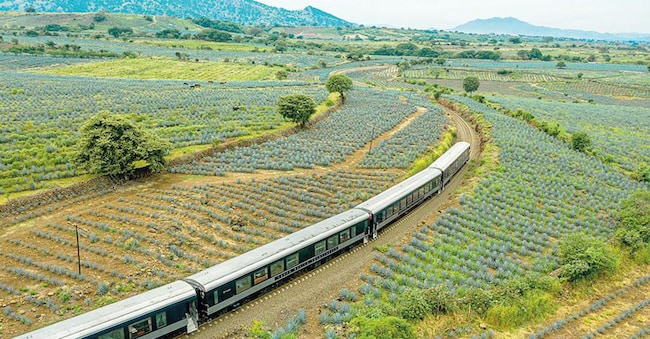
The Degollado Theatre always sells out when a mariachi band performs. After all, the most famous Mexican music seems to have originated here. Certainly, today Guadalajara is its capital. Clothes almost always black but made bright by silver decorations, sombreros of rigour, guitars, violins and voices that alternate poignant, sometimes melancholic notes with bursts of joy. The mariachi is profound Mexican culture, which has since spread internationally.
The notes of mariachi music
Since 1994, the capital of the state of Jalisco has hosted an annual festival in which mostly Mexican groups perform, but where there is no shortage of performers from all over the world. The theatre, built where Guadalajara's first settlement is said to have sprung up, dates back to the end of the 19th century and is only one of the city's attractions: its real symbol is the cathedral, with its neo-Gothic towers, begun in 1561 and completed some 50 years later. It is worth a visit, especially at the hour when the sunlight filters through the stained glass windows, and also to access the crypt with its columns covered in gold leaf. A short visit to the government palace is also not to be missed, if only to admire the enormous fresco that adorns the main staircase, covering some 400 square metres, by José Clemente Orozco, one of the masters of Mexican muralism together with Diego Rivera, dedicated to the revolutionary Miguel Hidalgo.
Listening to mariachi music without having to wait for theatre events is, however, quite easy: spontaneous performances are daily in the central Plaza de los Mariachis and almost all the more traditional restaurants feature improvisations. Speaking of excellent Guadalajara cuisine on the meat front, recommended destinations are Cuerno Andreas and La Chata de Guadalajara, but you can also make a quick stop at one of the street food stalls to try a Torta Ahogada, a sandwich with pork previously dipped in tomato sauce and hot chilli peppers.
Where to enjoy cocktails
You can end the evening at El Gallo Altanero, the best cocktail bar in town according to the World's 50 Best Bars ranking. Also because, if you are in Guadalajara, it is practically impossible to refuse a drink based on tequila, the azul agave distillate that is one of the foundations of Mexican culture and economy, and especially of the state of Jalisco.
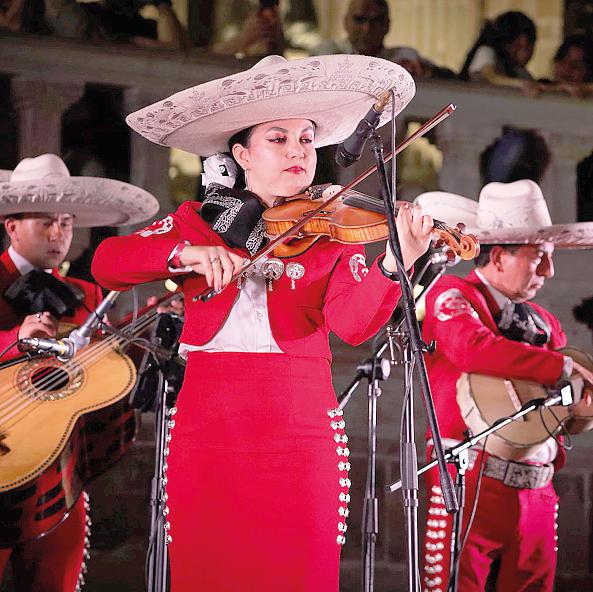
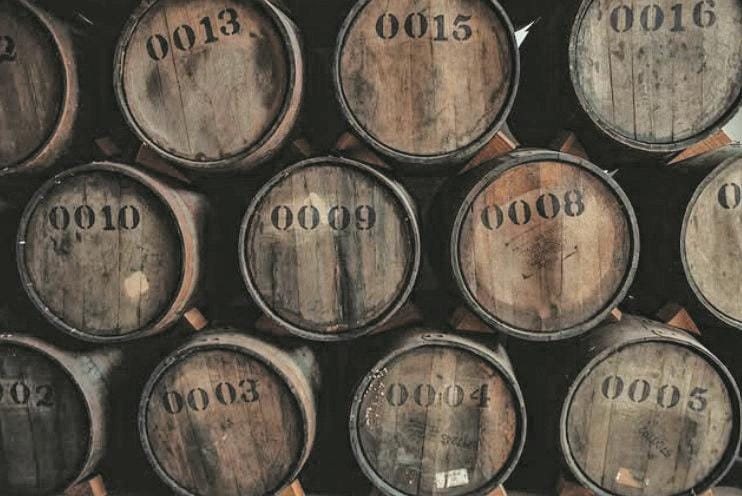
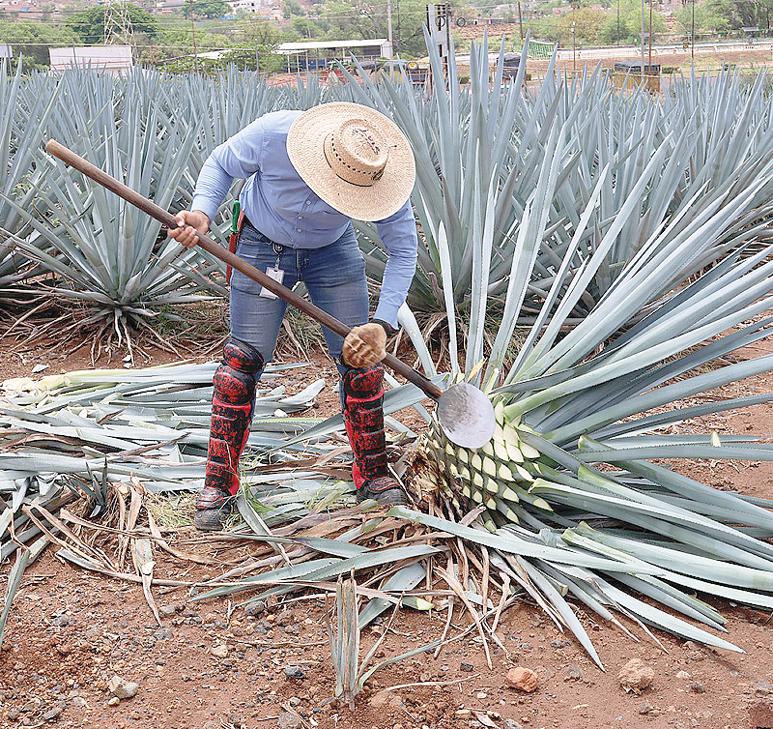
From Guadalajara there is even a train that, in just two hours, takes you to Tequila, the town that, nomen omen, is the beating heart of this distillate. The Tequila Express travels on Fridays, Saturdays and Sundays, crosses endless fields of agave under a luminous sky that has few equals in the world, and offers an experience that can also be done in one day, choosing whether to buy only the return ticket or to opt for the travel plus distillery visit formula. Tequila, with its bright colours and somewhat naïve atmosphere, is practically all distillery, home to giants such as Sauza and Jose Cuervo but also family-run ones such as El Tequileño and Fortaleza, from the handmade piña (the heart of the agave that only reaches maturity after years of growth) bottle, where production still follows the more traditional rhythms of harvesting, cooking, fragmentation, fermentation and finally distillation. Tequila, a Unesco World Heritage Site since 2006, develops around the Plaza principal, where the majestic Parroquia Santiago Apóstol also stands and where it is a must to take a souvenir photo in front of the multicoloured, large-print inscription with the name of the city. Its streets are perpetually criss-crossed by small barrel-shaped buses, to the delight of the thousands of tourists, with a massive American presence, who visit.