Cinema

'One battle after another' is the masterpiece of the year

Our favourites on the films released in cinemas from January to December: Paul Thomas Anderson's wonder at the top

6' min read

Translated by AI
Versione italiana

6' min read

Translated by AI
Versione italiana

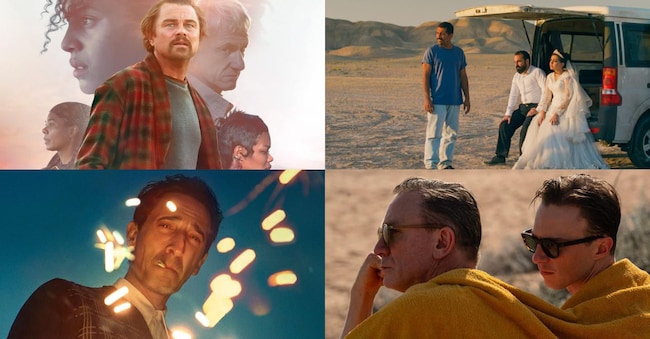
The year is drawing to a close and it's time for rankings: as always, we too had fun lining up our 10 favourite films, released in cinemas from January to December. Here they are:

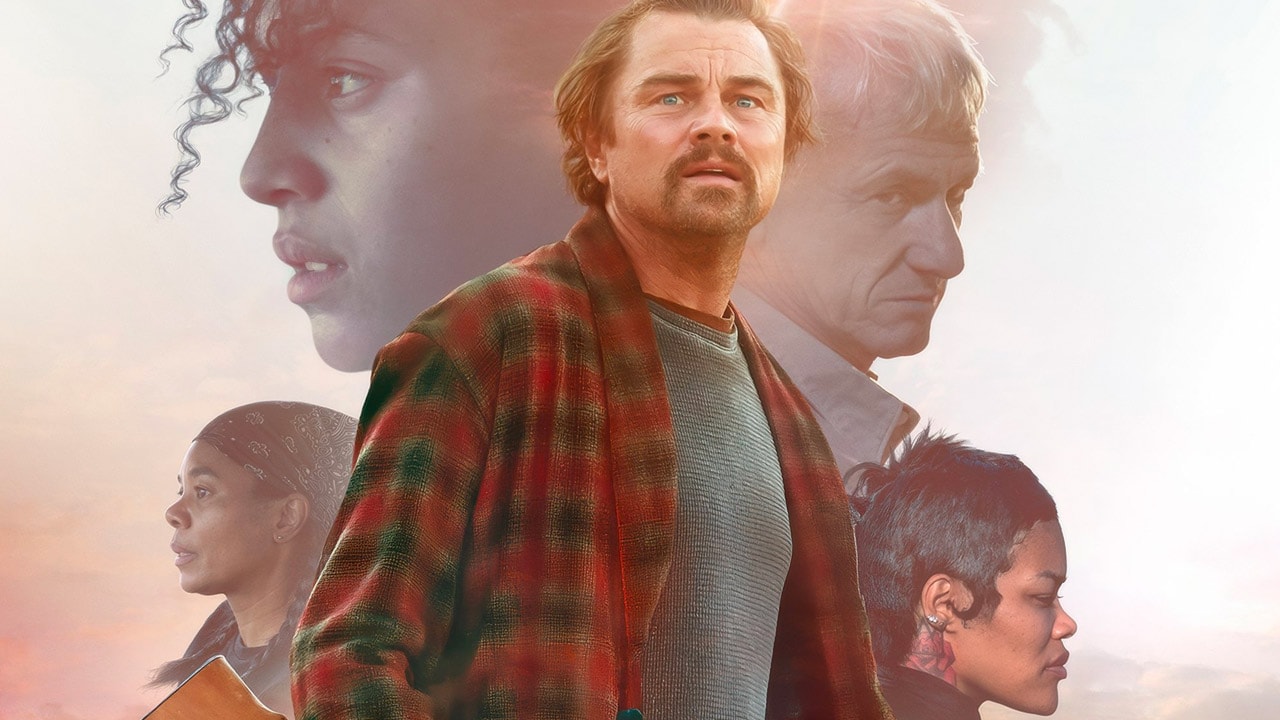
One battle after another

Not just the film of the year, but the masterpiece of the decade. Paul Thomas Anderson has been one of the most important directors in world cinema for many years now, but here he has even surpassed himself with a capital work that is profoundly political, extremely ironic and capable of deploying symbolism of a shattering power. Inspired by Thomas Pynchon's 'Vineland', it has an endless series of memorable sequences (the car chase, first and foremost) and is enhanced by an extraordinary cast. Quite simply, the film we have been waiting for for so long. A milestone in the history of the art we love most.
Loading...

Una battaglia dopo l’altra

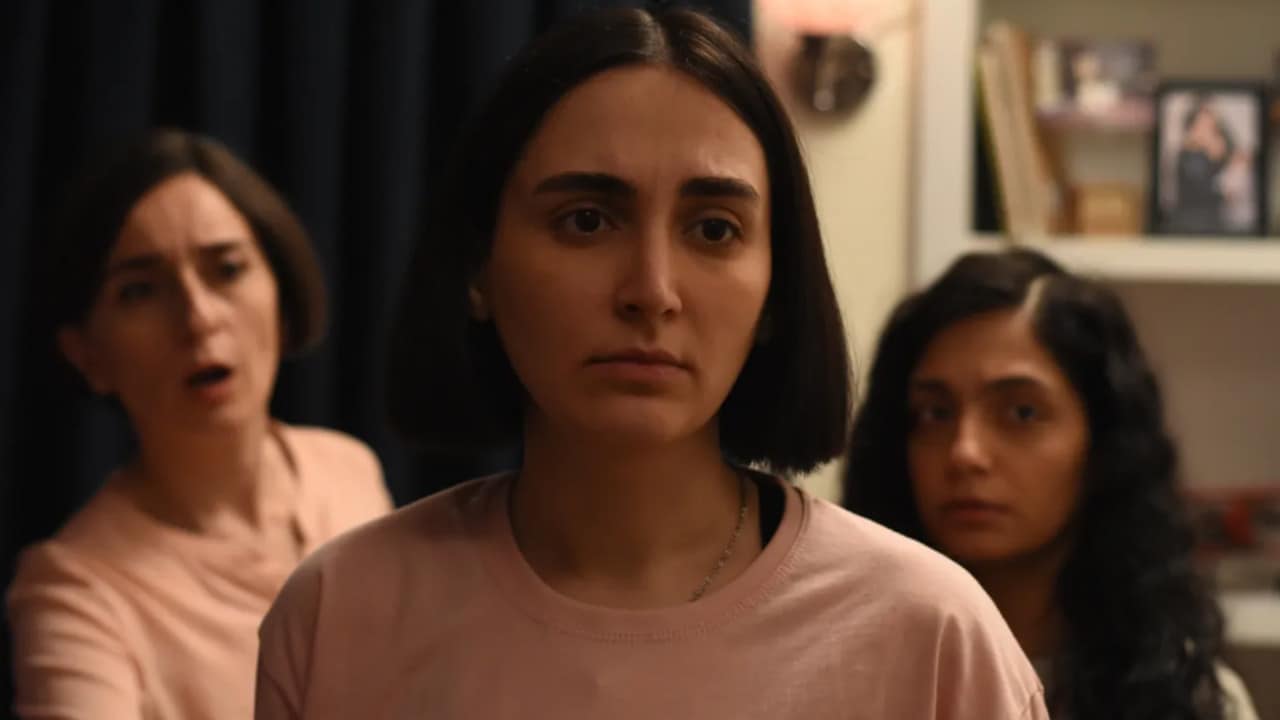
The seed of the sacred fig tree

Iranian cinema is probably the most important cinema in the world today, and there are numerous titles that continue to prove it. One of the most significant examples is undoubtedly this film by Mohammad Rasoulof: the author, through a perfectly calibrated staging, creates a product that keeps the pace very high throughout its long duration (almost 170 minutes), without ever faltering and managing to involve and shake the spectator just as he had intended. It only takes a few sequences to feel the full force of a feature film that shows the darkest aspects of Iranian society, reflecting on patriarchy, religion, family, and how it 'responds' to those who simply try to have a little freedom. Impressive.
Il seme del fico sacro

Maria

Pablo Larraín is one of the decisive auteurs of the contemporary world and proves it once again with this (anti-)biopic about the last days of Maria Callas' life. After building a powerful imagery with "Neruda", "Jackie" and "Spencer", the Chilean director narrates another 20th century icon and does so with his classic originality and brilliance. "Maria" is not (only) a film about a life actually lived, but a profoundly metanarrative work: Larraín shows us an artist who creates characters around herself, between those who want to interview her or an orchestra that can accompany her voice one last time. It is (also) a powerful film about the cinema 'Maria', a film in which Callas herself directs the autobiography in images that she would have liked to write. Visionary.
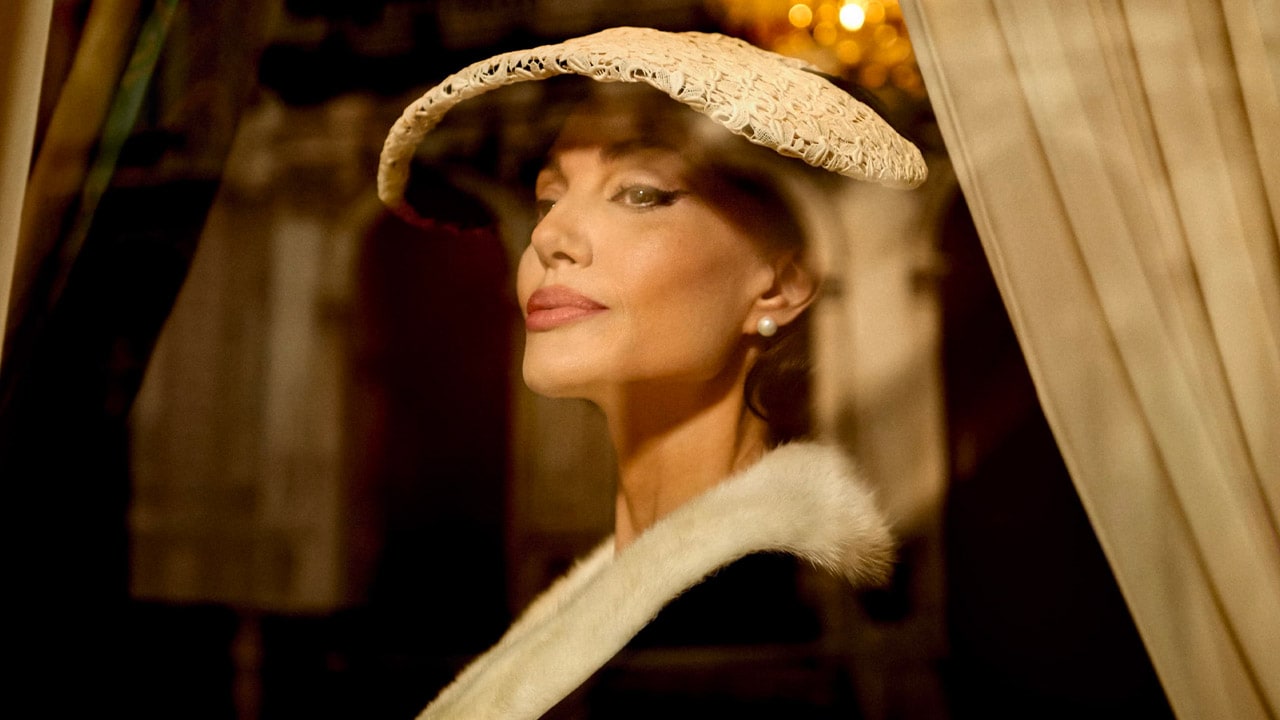
Maria

A simple accident

Let us return once again to Iranian cinema and we cannot do otherwise in the face of the latest work by Jafar Panahi, a dissident author always ready to fight the injustices of his country using his camera as a weapon. Winner of the Palme d'Or at the Cannes Film Festival, "A Simple Accident" is a portentous socio-political allegory, effective in alternating the tones of farce with those of tragedy, combining them to arrive at a result of great dramatic and stylistic strength. Together with the characters, we the audience are also faced with moral dilemmas and questions about how we would behave if we were really confronted with our alleged persecutor. The finale is simply memorable.
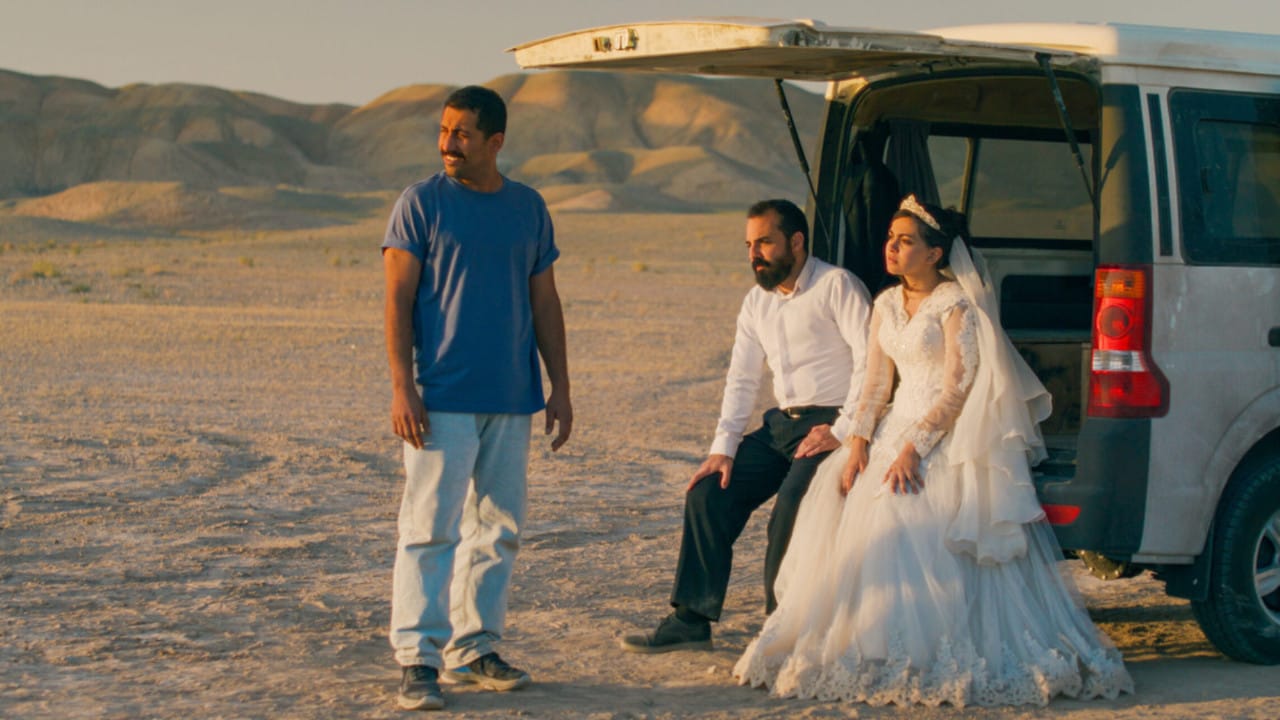

Un semplice incidente

Romantic Generation

What a crazy operation Jia Zhang-ke has pulled off with this film, divided into three parts, which recounts the evolution of China in the New Millennium through the story of two lovers who drift apart, seek each other out and find each other again. With this operation, the director also revisits his cinema: in addition to footage taken in the past and never used, images from "Dong" and "Still Life", both from 2006, re-emerge, with the latter having won the Golden Lion at Venice and continuing to be the pivot on which the poetics of the Chinese author revolve. "Romantic Generation" thus becomes an emotional journey into memory, of cinema and life, orchestrated by a great director who, with this film, has signed perhaps his most important work ever.

Generazione romantica

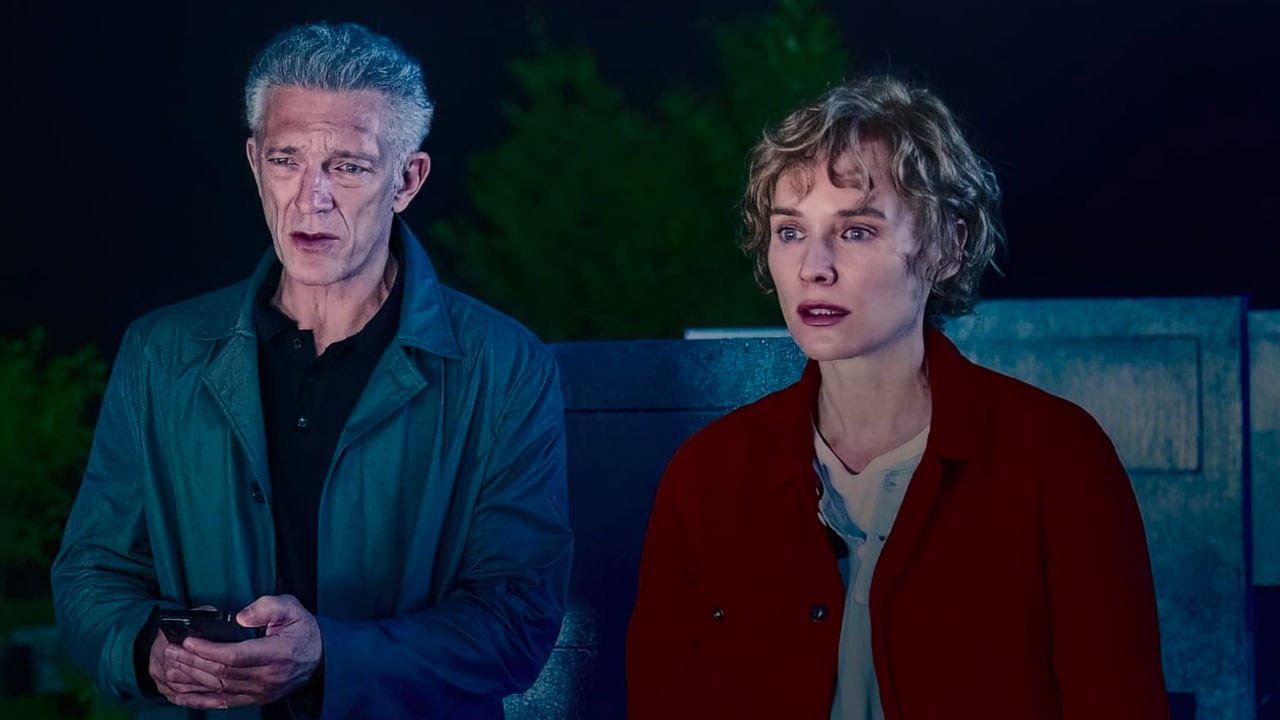
The Shrouds

David Cronenberg signs an extremely personal film that can be linked to the death of his wife, Carolyn, who died of cancer in 2017. Vincent Cassel is undoubtedly an alter ego of the Canadian author - as much for his hairstyle as for his outfit choices - in this film in which he plays Karsh, a widowed businessman who invents a controversial and revolutionary technology that allows the living to observe their loved ones after death, while they are inside special shrouds (hence the film's title). A dark and touching melodrama that combines love and death, 'The Shrouds' is a melancholic operation, a constant and never-ending elaboration of a mourning from which the protagonist - and perhaps the director - can no longer emerge. Absolutely one of the most important works of the career of one of the greatest masters of world cinema.


The Shrouds

Queer

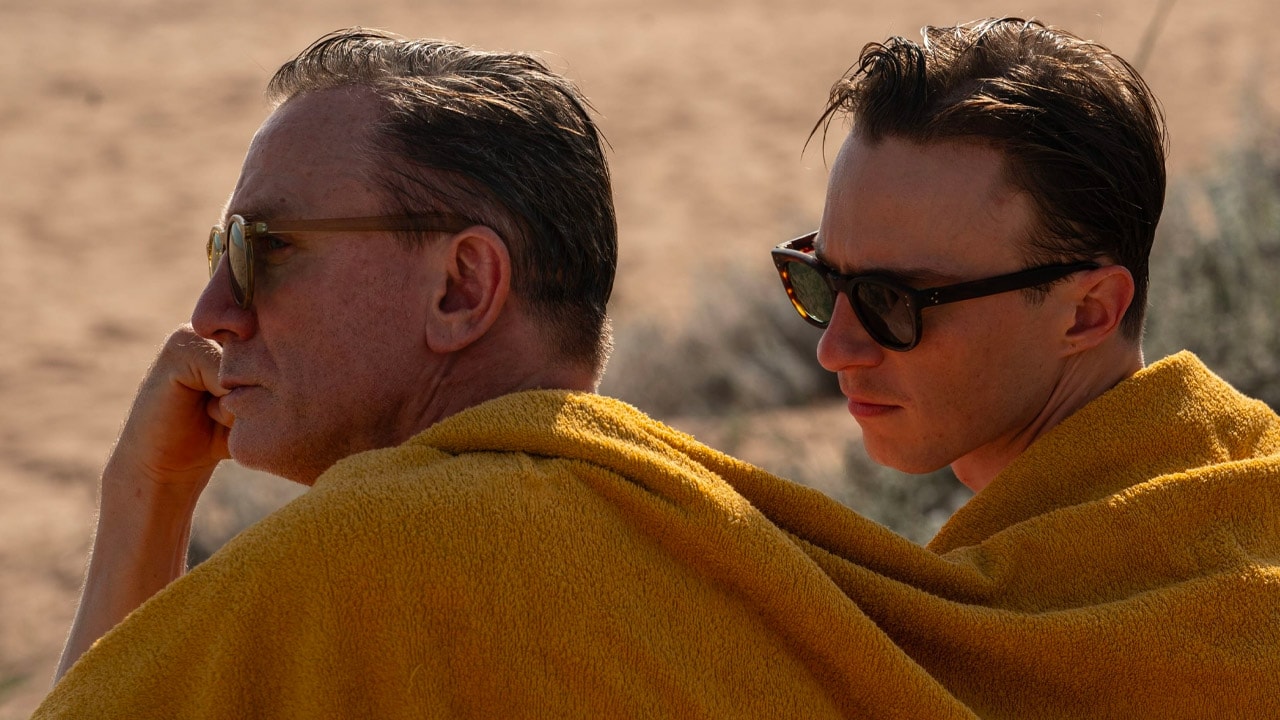
Luca Guadagnino has chosen to adapt the important short novel by William S. Burroughs, written in the early 1950s but only published in 1985. Like many of Burroughs' works, the protagonist is his alter ego and the story is deeply autobiographical: in the role of Lee's character is Daniel Craig, an actor who gives one of the most intense performances of his career in this film. As already demonstrated in excellent films such as "Suspiria" and "Bones and All", Guadagnino plays very well with the more visionary register, even touching on the horror genre in some passages and creating a truly fascinating and highly intelligent work. If at the centre is the theme of unexpressed desire and abstinence, not only linked to drug addiction, Guadagnino succeeds in declining all this in a poetic story that is also very romantic in its own way. Some sequences are portentous, confirming the Italian director's talent

Queer

The Brutalist

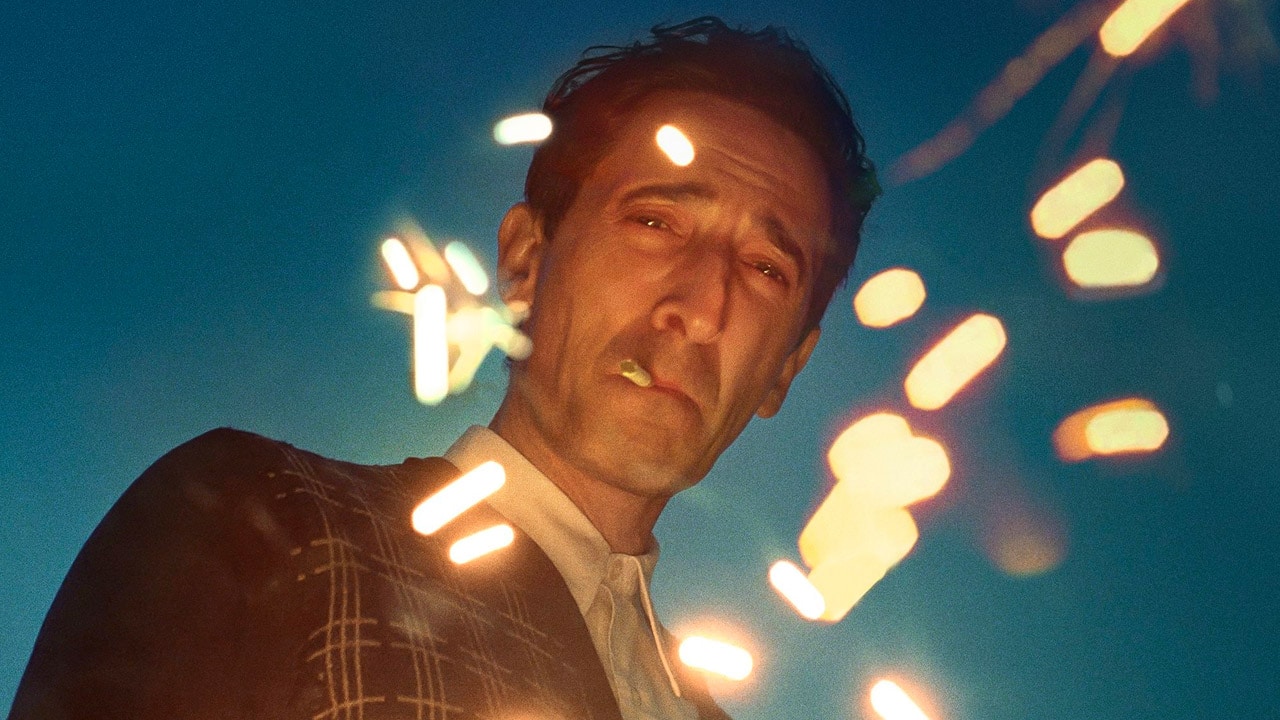
Arriving at his third feature film, Brady Corbet reaches full maturity with a truly ambitious work, very long, shot on film and with a vintage cut that is far removed from contemporary fashions. In the story of the brutalist architect at the centre of the film, there are numerous reflections on the United States of yesterday and today, but what is striking is the extraordinary audiovisual strength of a film that is excellent both in its cinematography and its soundtrack. Difficult, perhaps impossible, to forget after seeing it.

The Brutalist

Avatar - Fire and Ashes

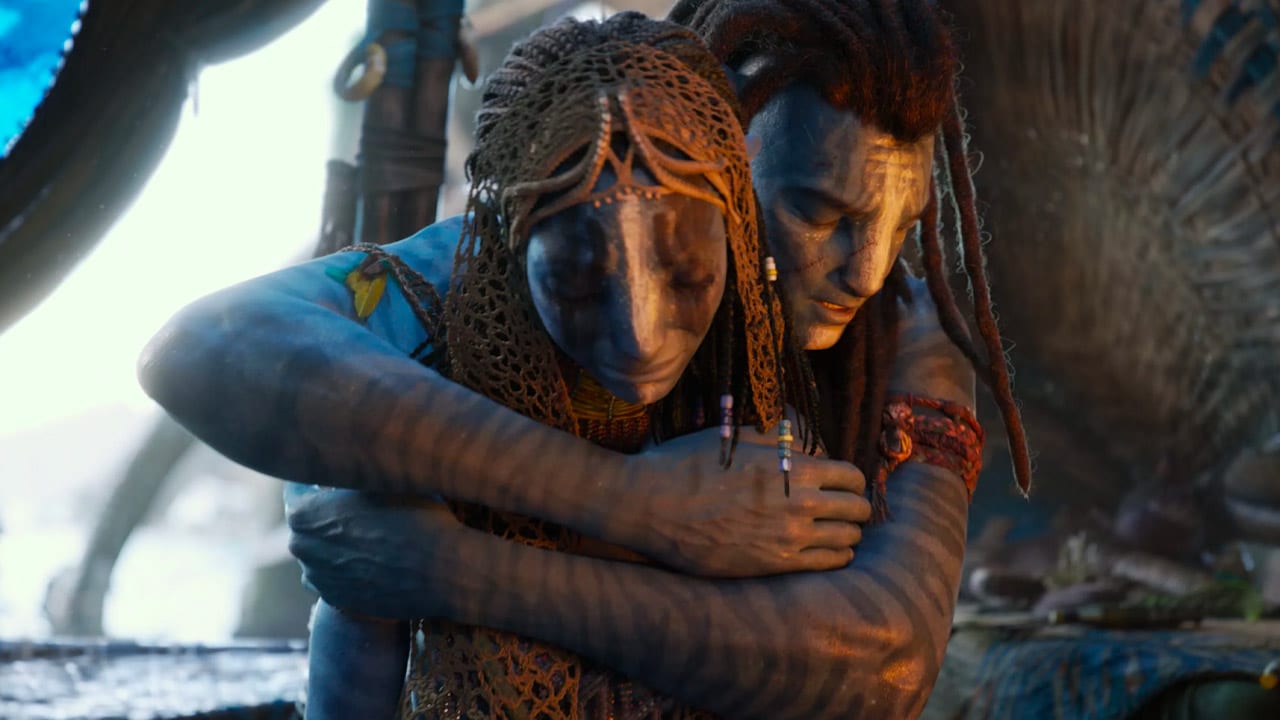
Him again? Yes. It seemed impossible, but James Cameron still succeeds in the miracle of creating a powerful work set in the Pandora universe. We are now in the third chapter of a franchise that has always been an extraordinary allegory of today's world (Pandora, a place where everyone is connected, what else is it if not the Internet?) and we still cannot get used to the grandeur of the images offered by the director of 'Terminator' and 'Titanic'. The spectacle is impressive and the more than three hours of duration do not weigh a single moment. What a film! What a saga! What a director!

Avatar – Fuoco e cenere

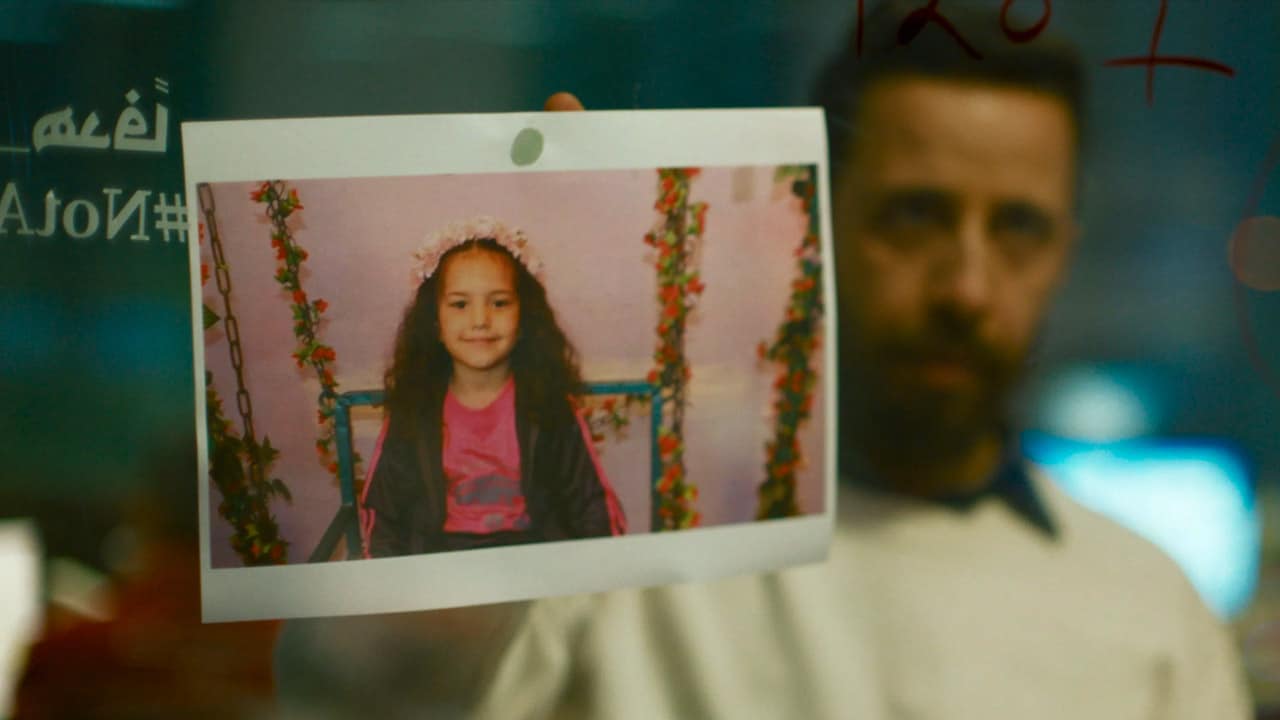
The voice of Hind Rajab

We conclude with one of the most emotional and urgent headlines of the season. It was 29 January 2024, when Red Crescent volunteers receive an emergency call: a five-year-old girl is trapped in a car under attack in Gaza, begging to be rescued. As they try to keep her on the phone they do all they can to get an ambulance to her. Her name was Hind Rajab. From this terrifying news event, a chilling and powerful film was born: 'The Voice of Hind Rajab' recounts that day by filming the testimonies of all those who tried to help that little girl. Almost the entire film is set in one location, the one where the volunteers receive the calls, and the voice we hear is that of the real audio recording of little Hind Rajab. This narrative mode alone is enough to make one understand the scope of the entire operation, but director Kaouther Ben Hania has managed to do even more. The entire work on the soundtrack contributes to an extremely involving operation, enhanced by the ability to integrate reality within the filmic reconstruction: Ben Hania works on the off-screen in a very strong manner, and it is indeed fundamental to emphasise how in this film the political commitment is evident, but so are the coherent formal choices. A must-see for everyone you know.

La voce di Hind Rajab

Copyright reserved ©
Loading...

Brand connect

Loading...

Newsletter

Notizie e approfondimenti sugli avvenimenti politici, economici e finanziari.

Iscriviti