Digital Economy

One in five retailers plan to open new shops

According to an analysis by Adyen, the purchasing process aims at omnichannelality inspired by flexibility.

by Pierangelo Soldavini

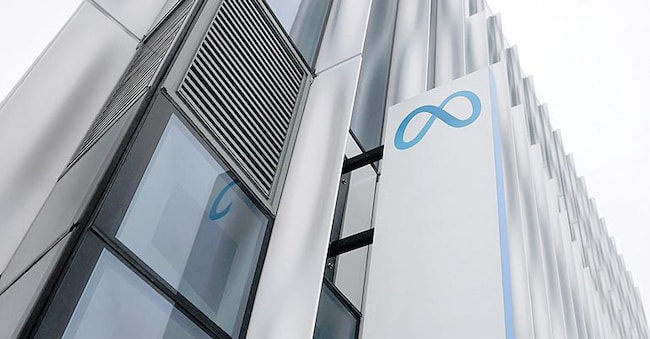
Meta. Lo spazio retail fisico del colosso tech a Burlingame in California. (AFP)

3' min read

3' min read

The physical shop is not dead. On the contrary, it is becoming a necessary cornerstone of the retail sales strategy, integrated within a linear and unhindered shopping experience that also passes through the payment system. Almost one in five Italian retailers - 18% to be precise, according to Adyen's surveys - say they plan to increase their shops during 2025.

On the other hand, four out of ten consumers want to touch the product before buying it and more than a third want an immersive experience in the shop, which becomes the privileged experiential and relational space in which to make an informed and appropriate choice, in an integrated process that also includes the possibility of combining the physical experience with the online. And which requires the shop to replicate the digital experience in terms of simplicity and fluidity of processes.

Loading...

With this in mind, almost half of the shops have equipped themselves with mobile Pos or devices suitable for accepting tap-to-pay, allowing customers to pay in an agile manner, without necessarily having to go through the till or through long queues: in any corner of the shop, one can pay in Nfc mode, whether with a card or with the digital wallet on the smartphone.

Tow towards integrated omnichannel

.

The Retail Report 2025 by Adyen, the Dutch unified payments giant, paints a picture of the purchasing process pointing towards an integrated omnichannel approach inspired by the channel flexibility that is now taken for granted by consumers.

The survey, conducted among 41,000 consumers in 28 countries, including Italy, notes precisely how online technologies and experiences are opening up new channels for brands, making it easier for them to connect with customers in what is labelled 'unified commerce'. In fact, almost four out of ten people expect to be able to shop with a company across multiple touchpoints, including social media, apps and online stores. For example, almost a third of consumers said they use social media to shop. Now the arrival of TikTok Shop in Italy makes this possibility even more at their fingertips.

One in three Italians choose physical stores

.

Despite the consolidated trend to use digital channels, a large proportion of Italian shoppers, more than one in three, still choose physical shops, compared to 23% who prefer to fill their shopping carts online. Forty-one per cent said they want to see and touch the product before making a purchase, a similar percentage want to try on items before buying them, also emphasising the advantages of immediacy offered by the physical shop. About a third said they wanted to leave the shop with the product immediately after purchase.

The relevance of shops, especially in terms of proximity, also emerges from the new survey by Bva Doxa on behalf of American Express: almost all Italians (94%) are convinced that small shops play a significant role in preserving the identity and culture of their neighbourhood, and eight out of ten shop at neighbourhood shops at least once a week. Over the past year, almost half of the Italians have increased the number of purchases at small retailers. In particular, 'casual dining' restaurants are popular with two-thirds of consumers going to eat at least once a month. With this in mind, American Express has published a guide to Roman osterias and trattorias, as part of its Shop Small initiative to support small neighbourhood shopkeepers.

The use of artificial intelligence

.

In terms of technology, according to Adyen's report, the most obvious growth trend is that of artificial intelligence, which is already being used by a third of Italians to facilitate their purchases, an increase of nearly 50 per cent year-on-year. Fifty-three per cent of consumers say they use this technology to get inspiration when buying clothes, food and other products, almost one in ten get the best ideas for new products by using it, and more than half want to find unique brands using AI, a figure that highlights the opportunity for brands to combine partnerships and cross-selling to boost sales.

Thus, next to the opening of new shops, the adoption of AI and new technologies emerged as a priority strategic choice when Italian retailers were asked how they intend to increase their revenues: 25% said they would invest in AI to support sales and marketing activities, while 22% would invest in product innovation.

Copyright reserved ©
Loading...

Brand connect

Loading...

Newsletter

Notizie e approfondimenti sugli avvenimenti politici, economici e finanziari.

Iscriviti