
University, one in two students have lied at least once about their results
Two tragedies in just a few hours turn the spotlight back on the psychological burden of study. But these are not isolated cases. The latest HBSC report (Health Behaviour in School-aged Children), an international study promoted by the World Health Organisation and edited in Italia by the Istituto Superiore di Sanità (ISS)
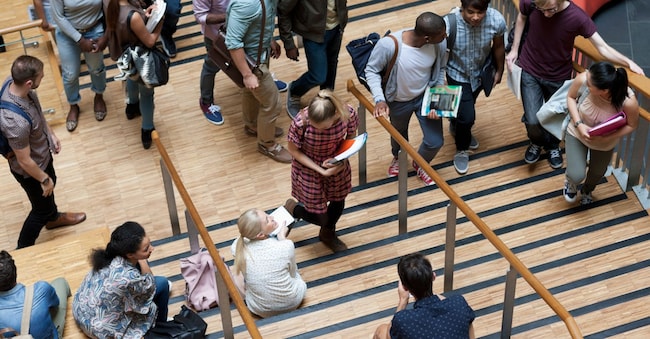
In Rome, a 13-year-old boy decides to throw himself into the void, leaving a suicide note saying: 'I am tired of school'. And, a few hours and a few kilometres away, again in the capital, a 23-year-old girl is found dead in the hallway of the building where she lives, on the day she and her family were supposed to celebrate a graduation that was, however, non-existent, as she had not attended university for some time.
Two Tragedies
Two tragedies of dramatic and mocking topicality, affecting as many levels of education, very different in their approach and dynamics. And yet, linking these two tragedies is an all too obvious red thread: the unbearable weight of expectations and a performance anxiety that devours our youngsters. These are not, in fact, isolated cases or mere 'individual frailties', but the tip of the iceberg of a systemic malaise.
Loading...
Widespread discomfort
Suffice it to think, as confirmation of a widespread discomfort, of a couple of data that unite these dramatic events: today, in Italia, more than half of adolescents (between 15 and 17 years old) do not want to go to school because of the stress caused by the study load, while at university a (curiously enough, but not too much) similar quota - about 1 student out of 2 - goes so far as to lie about their career in order not to disappoint those around them. Impressive numbers - on which the Skuola.net portal takes stock - that force us to rewind the tape, go beyond the black chronicle and analyse, data in hand, what happens long before the breaking point is reached.
The bell nightmare: stressed and unloved as early as high school
The malaise begins, in fact, at an early age. The latest HBSC report (Health Behaviour in School-aged Children), an international study promoted by the World Health Organisation and edited in Italy by the Istituto Superiore di Sanità (ISS), which observed an impressive sample of over 89,000 boys and girls between the ages of 11 and 17, provides a snapshot of the psychophysical health of the very young.
Mental distress
And the numbers paint a picture of a school environment increasingly experienced as a source of exhaustion. As mentioned above, the most alarming data concerns dislike for classrooms: if among 11 to 13-year-olds there is still a majority (over 50-60%) who like the school environment, as they get older, enthusiasm plummets. Between the ages of 15 and 17, about 1 in 2 students do not like going to school, with approval rates plummeting below the 50% mark, particularly among older children. Underlying this rejection is rampant anxiety: again in the 15-17 age group, over 80% of students say they are stressed by the school workload of homework, questions and constant tests. A dislike that, experts warn, gets steadily worse over time.


Brand connect
Loading...

Newsletter Scuola+
La newsletter premium dedicata al mondo della scuola con approfondimenti normativi, analisi e guide operative
Abbonati