
Opel Astra restyling, test of the compact car with the new plug-in hybrid engine
The update concerns both the design and the engine range as well as the technological content. We road tested it to see how it really changes.

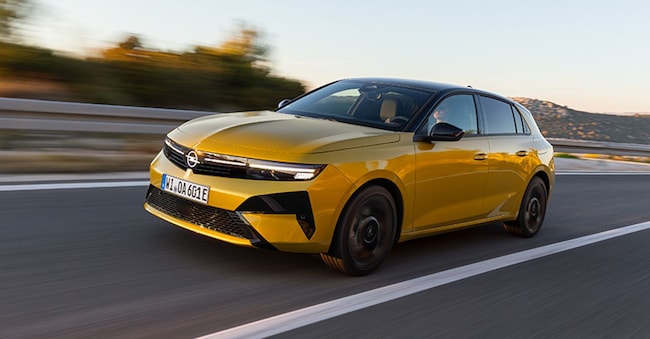
Technological and modern. The new Opel Astra comes to the European market with a major update that focuses on design, technology and an even more complete engine range. We tested it on the road in Split, pending its arrival in dealerships from May: prices start at 32,450 euros for the hybrid and 39,900 euros for the electric
Stronger, more recognisable design
After its debut at the Brussels Motor Show, Opel's compact model can already be ordered and remains one of the brand's benchmarks in the C-segment with a length for the saloon version of 4,374 mm, a width of 2,062 mm and a wheelbase of 2,675 mm. The boot capacity is up to 1,339 litres for the hybrid sedan and diesel versions (1,236 and 1,268 litres for the Phev and electric versions respectively), while the Opel Astra Sports Tourer station wagon comes in at up to 1,634 litres, making it one of the largest in its class.
The restyling is immediately noticeable, especially in the redesigned front end with slimmer Opel Vizor and the new illuminated Blitz logo, which makes the car more modern and recognisable.
The new look is enhanced by references to the world of concept cars, with elements inspired by the Opel Corsa GSE Vision Gran Turismo, as well as new wheels and colours that add personality. Among the most interesting new features is the Intelli-Lux headlamp system: more than 50,000 LEDs automatically adjust the beam, improving visibility at night without disturbing other drivers.
Simpler, more comfortable and sustainable interiors
Inside the cabin, the engineers' aim was to make everything as intuitive and comfortable as possible. The new Intelli-Seats are standard across the range and help you travel better even over long distances. The cabin is cleaner, with user-friendly controls and updated screens, while the focus on sustainability has increased with the use of recycled materials and vegan upholstery. The Opel Astra Electric stands out among the versions, with its 58 kWh battery providing up to 454 km WLTP range. There is also a Vehicle-to-Load function for powering external devices and a fast recharging function that enables a 20 to 80 per cent charge in about half an hour.

