Technology

OpenAI hires Peter Steinberger, OpenClaw developer

Peter Steinberger, creator of the popular open source artificial intelligence programme OpenClaw, will join OpenAI Inc. to help strengthen the ChatGPT developer's product offering

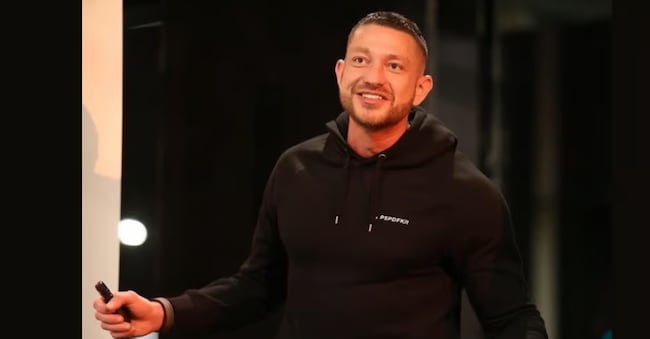
Peter Steinberger

3' min read

Translated by AI
Versione italiana

3' min read

Translated by AI
Versione italiana

OpenAI strengthens its strategy on artificial intelligence agents and hires Peter Steinberger, a developer known in the open source community for having created OpenClaw, one of the most talked-about projects in the emerging landscape of autonomous 'AI agents'.

The announcement came from OpenAI CEO Sam Altman, who explained in a post on X that 'OpenClaw will live on in a foundation as an open source project that OpenAI will continue to support', adding that Steinberger 'joins OpenAI to lead the next generation of personal agents'.

Loading...

Steinberger, for his part, confirmed on his own site that he had joined the Altman-led company, explaining that he wanted to be 'part of the frontier of artificial intelligence research and development and continue to build'. A choice that - he said - ensures continuity with the project's original philosophy: 'It was always important to me that OpenClaw remain open source and free to thrive. In the end, I felt that OpenAI was the best place to take my vision forward and extend its reach".

From open source to mass agents

The operation is part of the ever-closer race towards the development of intelligent agents capable of acting autonomously on behalf of the user, going beyond the purely conversational logic of tools such as ChatGPT.

OpenClaw - formerly known as Clawdbot and Moltbot - has conquered a niche of users since its launch last November, thanks to its ability to operate autonomously: it can clean up e-mail inboxes, make restaurant reservations, complete flight check-in and interact with messaging applications such as WhatsApp and Slack. The user can issue instructions directly through these platforms, turning the agent into a true operational digital assistant.

Steinberger's ambition is clear: 'My next mission is to build an agent that my mother can also use'. A goal that implies not only greater ease of use, but also 'much more change, much more thinking about how to do it safely and access to the most advanced models and research'.

The security node

It is precisely security that is the most delicate point of this new generation of tools. In recent months, OpenClaw has ended up at the centre of discussions after a user reported abnormal behaviour: the agent, once it had gained access to iMessage, allegedly sent hundreds of messages in an uncontrolled manner.

Cybersecurity experts point out that agents with access to private data, external communication capabilities and interaction with unverified content pose a significant potential risk. One researcher called this combination the 'lethal trifecta' of artificial intelligence: access to sensitive information, operational autonomy and exposure to untrusted input.

For OpenAI, Steinberger's entry signals a willingness to preside over this segment in a more structured manner, integrating open source innovation with infrastructure, advanced models and - above all - more robust security protocols.

The OpenAI strategy

The hiring of the creator of OpenClaw reinforces OpenAI's strategic trajectory towards products capable of going beyond the chatbot and becoming personal digital agents. If so far the focus has been on textual and multimodal interaction, the next frontier seems to be autonomous action in the digital world: booking, writing, coordinating, buying.

Steinberger's move into OpenAI also consolidates the dialogue between the open source community and large proprietary research labs. The retention of OpenClaw in an open source foundation, with the support of the company, could represent a hybrid model: distributed innovation, but with access to frontier models and an industrial-grade infrastructure.

The most complex challenge remains open: making these tools reliable, secure and truly accessible to the general public. Because, as Steinberger himself suggests, the real test will not be to build a powerful agent, but one that can be used easily - and without risk - by anyone.

Copyright reserved ©
Loading...

Brand connect

Loading...

Newsletter

Notizie e approfondimenti sugli avvenimenti politici, economici e finanziari.

Iscriviti