Oppo Find X8 Pro: Hasselblad shots and Google's Gen AI to win in the premium segment
4' min read
4' min read
It is difficult to say whether or not, with the European launch of its new flagship, Oppo will be able to give continuity to its climb up the sales charts and maximise the mighty investments that the Chinese company has made in recent years (including sponsorship, research and development and marketing expenditure) in order to approach the big names in the smartphone universe and position itself as the first alternative to the duopoly formed by Apple and Samsung. The results, so far, have been mixed, but the premises that accompany the European christening of the top of the range Find X8 series, the Find X8 Pro, seem to be the right ones.
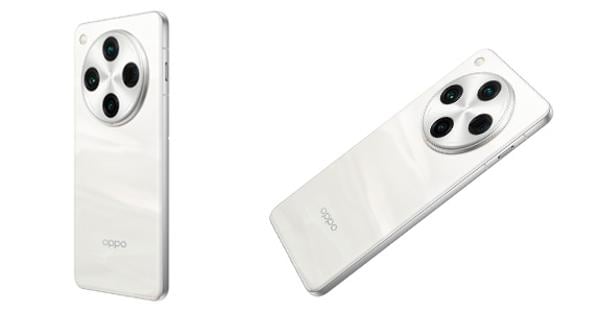
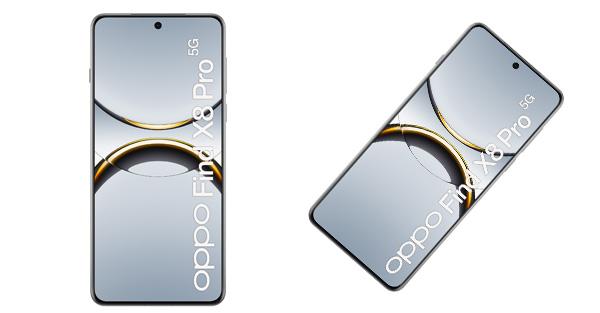
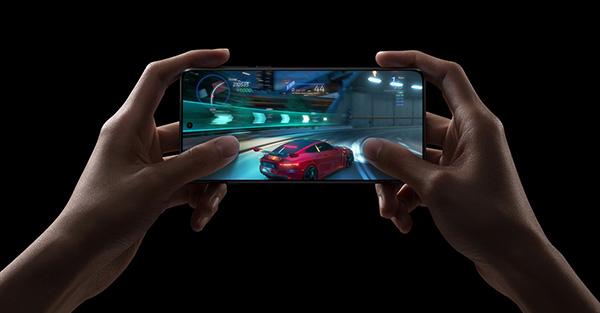
The ambitions of the Chinese manufacturer, on a technical level, are fuelled by the presence of the new AI Dimensity 9400 chip from MediaTek, by a photographic compartment enhanced by the collaboration with Hasselblad for the optics, by a very generous screen in terms of size (6,78 inches diagonal) but not penalising in terms of weight (215 grams) and thickness (8.2 mm), a 5910mAh battery with very high autonomy (and 80W fast charging), and the new ColorOS 15 operating system (based on Android 15) stuffed with a wide package of tools and services driven by artificial intelligence. The list price is indeed a premum product, €1199.99 (those who buy it from the Oppo Store by 31 December will get a free Watch X), but it is on the premum smartphone stage that the Find X8 Pro wants to stake its chances.

The camera compartment: 120x telescopic zoom
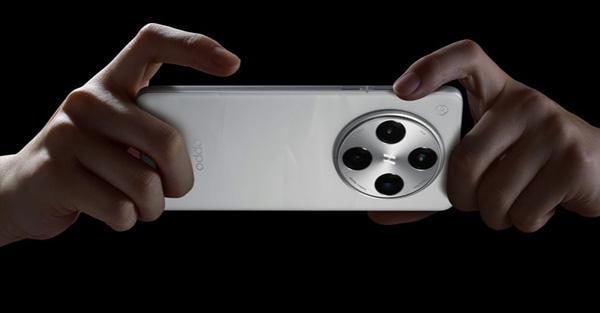
.If there is one feature that the Find X8 Pro can certainly bring to bear to rival the competition, it is the Oppo Hasselblad Master Camera System and its AI-controlled telescopic zoom. Scrolling through the specifications of the photo compartment, we discover that the smartphone is equipped with four 50-megapixel lenses on the rear and is the first in the world to boast a dual periscope camera, including a 135mm triple prism camera (with a 1/1.95-inch Sony LYT600 sensor), ideal for dynamic shots of people and animals even in low light, and a 23mm wide-angle camera. When a higher level of magnification is required, the AI Telescope zoom comes into action, which goes from 10x up to the incredible 120x limit. Another highlight of this phone, which promises wonders for photo and video enthusiasts thanks to a host of advanced features to enhance creativity when shooting and support for the Dolby Vision HDR standard up to 4K resolution at 60 fps on all cameras, including the front one, is a technology (Lightning Snap) that allows you to capture up to seven frames per second without any loss of image detail, simply by long-pressing the shutter button.
When design makes a difference
."Until now," says Pete Lau, SVP and Chief Product Officer at Oppo, "flagship smartphones with high-performance ultra-zoom cameras have been penalised by heavy and bulky designs, but the Find X8 series changes the rules of the game. What sounds like a classic catchphrase to bamboozle potential customers is actually a very important prerogative for the Pro model, precisely because of its ability to combine high telephoto performance with a sleek, or nearly so, thickness.
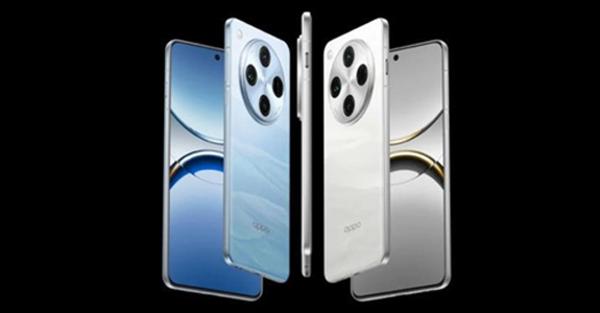
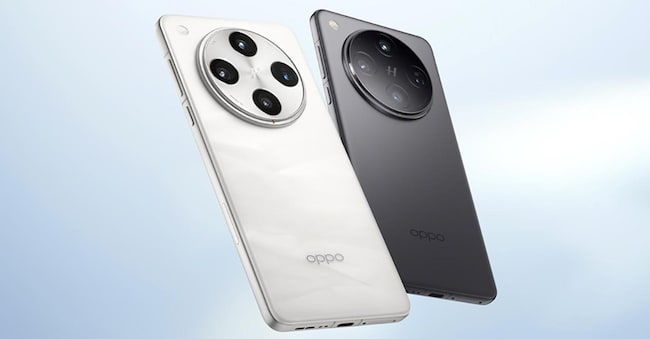
The Find X8 Pro is therefore also a beautiful device to look at in its recognisable Cosmos Ring design, as well as durable in its aluminium case. The screen is no less impressive (also in terms of performance, by virtue of a peak brightness of up to 1,600 nits) and features an ultra-thin and symmetrical 1.9 mm curved bezel with a quad-curved glass, both on the front and back, which ensure a comfortable and secure grip.