
Oppo Find X9 challenges the cameraphone market. Our test
10x optical zoom and dual 200MP sensors. Less algorithms, more optics: the high-end smartphone market is back to competing on hardware.
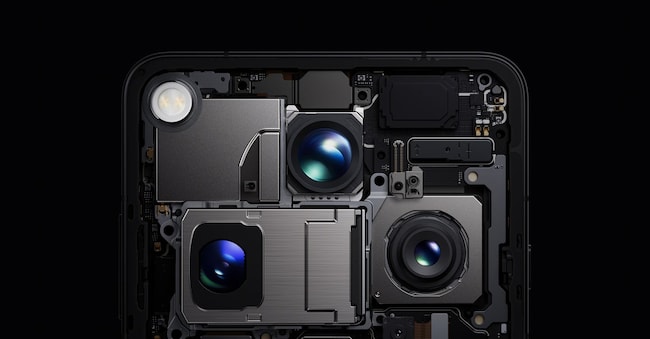
We start with the camera because that is where OPPO Find X9 Ultra tries to move the bar. It is no longer just a question of megapixels. It is optical architecture. What matters is the telephoto lens: real 50MP 10x optical zoom. Not hybrid, not simulated. Inside is a five-reflection periscope system that bends light to fit a long lens in a thin space. It is the turning point. Until now, smartphones would stop first or compensate with software. Here the leap is physical, before being computational.
-U52374413866gaA-600x313@IlSole24Ore-Web.png)
Around this, OPPO builds a system. Two 200MP sensors, one main and one 3x zoom, plus an ultra-wide and a multispectral colour sensor. The result is continuous focal length coverage, from wide-angle to super-telephoto. The collaboration with Hasselblad is not just marketing. It can be seen in the colour management and the decision to reduce the aggressive tone mapping typical of smartphones. The images are less 'shouty', closer to a traditional camera. Video also enters into this logic. It is a device that speaks to creators rather than the average user.
-U56778725216tWQ-600x313@IlSole24Ore-Web.png)
On the camera phone market, the signal is clear. After years in which Apple and Samsung played on computational photography, here optical hardware returns to centre stage. The message is simple: AI is not enough if the lens does not come. The optical 10x opens up a territory that until now was niche. Sports photography, wildlife, concerts. Scenarios where the smartphone was a compromise. Now it is less so. This forces everyone to react. Either we move towards larger and larger sensors, or towards more powerful optics. Probably both.
In everyday use, limitations also emerge. The first is complexity. Five cameras, advanced modes, colour profiles. It is not immediate. It takes time to understand how to really exploit it. The second is the weight of the system: major camera module, visual and physical bulk. It is the price of ambition.
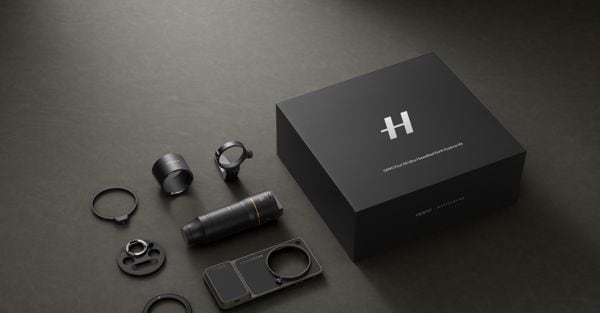
There are, however, two aspects that work well. The telephoto lens is really usable, not just on paper. Even at high magnifications, images remain legible, and this changes the way you shoot. And then the colour consistency between the different lenses, often a problem in smartphones, is more controlled here thanks to the dedicated colour sensor and the shared pipeline.

