
Oreshnik, the hypersonic missile that can hit Europe
Its range makes it capable of penetrating deep into Europe, and it is difficult to intercept due to its speed and altitude of flight

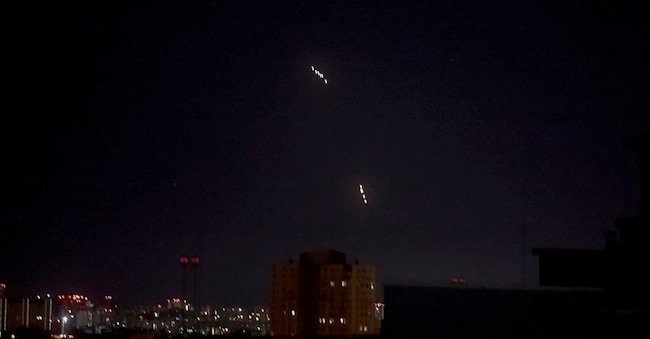
Moscow has again used its new weapon to strike in Ukraine. It is the hypersonic ballistic missile Oreshnik, medium-range and capable of travelling at such a speed as to evade traditional anti-aircraft defences.
A transliteration of the Russian word for the 'hazelnut' tree, the Oreshnik was first used to target an industrial complex in Dnipro, a city in southern Ukraine, on 21 November 2024. It was then used on 9 January to hit a target in the Lviv oblast. In the night the latest launch, on a town about 60 km from Kiev.
It is described as 'dual-use', i.e. designed to carry both conventional and nuclear warheads. According to various technical analyses and Western sources, the system is also Mirv (Multiple Independently Targetable Reentry Vehicles), i.e. it can carry several separate warheads. It is estimated that its range is between 3,000 and 5,500 kilometres, thus also capable of striking Europe, as the commander of Russian missile troops warned in the aftermath of its first use in Ukraine.
It has a speed of three kilometres per second - more than 10 times the speed of sound, according to Putin - and travels through the upper atmosphere, thus becoming difficult to intercept, at least by Ukraine's missile defence systems.
The Oreshnik is believed to be derived from the RS-26 Rubezh IRBM, which was tested five times but never entered service. According to experts, it probably has one less thrust stage than the RS-26, reducing its range.

