
'Furnaces at risk of extinguishing with Ets application'
For Manfredini (Confindustria Ceramica), the CO2 quota mechanism is not achieving the desired results

3' min read
3' min read
"None of us question the raison d'être of the Ets system, as well as the goodness of the European sustainable development goals. However, reality shows that the CO2 quota mechanism is not achieving the results for which it was created. On the contrary. In its practical implementation it is penalising manufacturing excellence such as ceramics, and a district, that of Sassuolo, in which 80% of national tile production is concentrated, where clay is worked with the most advanced and safest technologies in the world, achieving outstanding results on the international scene not only from an environmental but also from a social point of view. Competing with these rules means also flattening European markets to products from competing countries that pollute more and protect workers less".
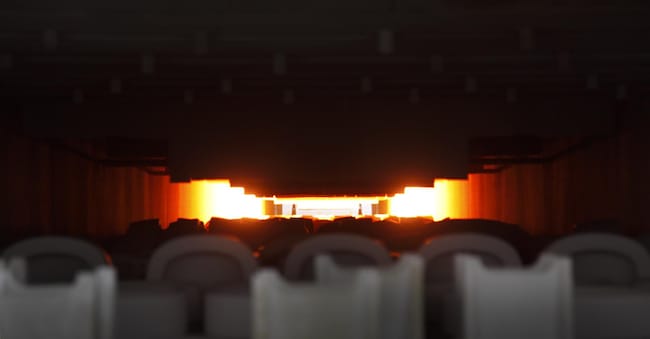
Franco Manfredini, chairman of the Energy Commission of Confindustria Ceramica, starts from the evidence of facts to explain why the association is fighting a strenuous battle in Brussels on the issue of energy, a crucial competitive factor: it accounts for about one third of the cost of a tile and natural gas is today the only available, abundant and efficient source for running energy-intensive factories (the hard-to-abate concept). To meet the targets set by Brussels, Italian ceramics, the cleanest and most virtuous in the world, risk having to switch off kilns and atomisers. "Already today we pay much more for natural gas than our world competitors, to which we must add the Ets quotas on emissions that only translate into a further burden for those operating in Europe, which is also very expensive (currently 65 €/tonne CO2) and subject to financial speculation, destined to double in the next two years. A situation that erodes margins and the economic sustainability of our activities,' Manfredini stresses.
"The Ets system," reiterates the chairman of the Energy Commission of Confindustria Ceramica, "has provided derogations for hard-to-abate companies that are highly exposed to international competition and therefore at risk of delocalisation (compensation for indirect costs) but has excluded ceramics. We therefore urgently request that the specific derogations that the European directives themselves allow in the implementation of the Ets system also be made available for our sector. Without exports, which account for more than 80 per cent of business, Sassuolo will disappear, and if the district dies, so too will many other companies in our supply chain, from the technology supply chain to colour factories, we are talking about tens of thousands of jobs. And relocations are already underway, nobody invests here anymore'.
The icing on the cake, 'a bitter cherry', Manfredini concludes, is that in the implementation of the Ets, a mechanism to reduce the quotas assigned to the less virtuous companies was also foreseen. Italian ceramic companies have ended up among the least virtuous (worst performers) because while in Italy the entire production cycle is managed internally, their Spanish competitors in the Castellón district have outsourced atomisers, the consumption of which is therefore not counted in those related to ceramic tile production. Thus, Made in Italy ends up at the back of the queue because the preparation of the powders to be pressed is done directly in the factory, in line with kilns and finishing plants, without the burden of transport and related pollution. "The application mechanisms that lead to this blatant distortion that increases the climate of uncertainty and disaffection with which ceramic entrepreneurs in Italy operate must therefore be urgently corrected," is Manfredini's appeal.


