
Over 3 billion euros’ worth of damage to agricultural production
Drought and invasive insects are threatening the fruit and vegetable sector, whilst the costs of monitoring and protecting the fields are rising

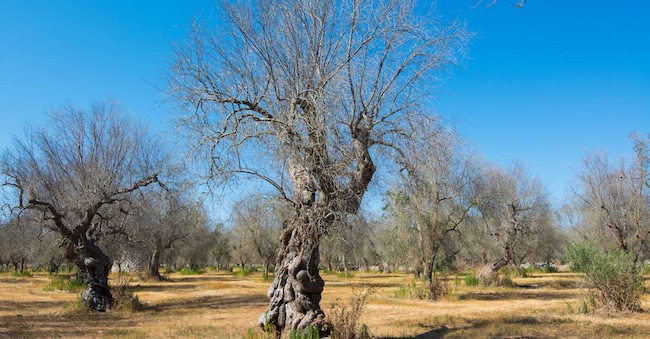
Drought, climate change and invasive insects are taking their toll on fruit and vegetable production, with the total cost of the damage now standing at over 3 billion euros, including both direct losses and the additional costs of monitoring and protecting the fields. This is the warning issued by Coldiretti, which highlights, amongst the new invaders, the red spider mite and Popillia japonica, a Japanese beetle. The latter can affect over 300 plant species and represents a genuine disaster because it has become established mainly in northern Italia, causing growing concern for vineyards and fruit trees. ‘New pests are adding to those already present, causing falls in production and rising costs,’ Coldiretti states. Then there is the now constant presence across the whole country of the Asian brown stink bug, which affects orchards, hazelnut groves and vegetable crops, directly damaging fruit and seeds and compromising their commercial quality. In Piedmont, biological control using predatory insects will continue into 2026.”
Other invasive species include Drosophila suzukii, the Asian fruit fly, which mainly attacks cherries, blueberries, raspberries and other soft-fleshed fruits. Monitoring data confirm the presence of this insect, making it essential to maintain a high level of protection for crops nearing harvest. In Veneto, there is concern over the red spider mite, a mite that has been a regular feature in the region for years now, affecting mainly soya and maize – crops already struggling due to the drought. It is precisely the intense heat and lack of humidity that favour – Coldiretti continues – the proliferation of this mite, which attacks the leaves, causing them first to turn yellow and then to wither, with negative effects on the plants’ growth and productivity. Concerns remain high regarding the chestnut gall wasp, which has already caused heavy losses to chestnut cultivation and continues to require biological control measures using Torymus sinensis, its natural predator. There is also concern over Vespa velutina, the Asian hornet that threatens bees and thus the entire pollination system. In 2026, monitoring and containment measures were stepped up in several regions. The risk extends not only to honey but also to the role of bees in orchards, vegetable gardens and other crops. Then there is Aethina tumida, the hive beetle, which can compromise honey stores and weaken colonies, the spruce bark beetle, responsible for the die-off of spruce trees and causing severe damage to forest resources, and the red palm weevil, which continues to affect palm trees, particularly in Mediterranean areas such as Liguria. As regards olive cultivation, the most serious threat remains Xylella fastidiosa, the bacterium that has devastated millions of olive trees in Puglia and continues to cause new outbreaks, putting production, the landscape and the economy of the affected rural areas at risk. Nor should we forget the emergency caused by the blue crab, which continues to put pressure on Italian shellfish farming, particularly in the Adriatic. It is hoped that the octopus will act as a natural predator of the blue crab. This summer, the die-off of clams and other shellfish was compounded by the effects of exceptionally high water temperatures, resulting in severe losses in aquaculture farms.
“It is therefore becoming increasingly urgent,” emphasises Coldiretti, “to strengthen prevention and monitoring, to accelerate research into biological and sustainable defence systems, and to provide businesses with adequate tools to tackle the arrival and spread of new harmful organisms, as well as old pathogens that are once again posing a threat due to climate change, brown spot or eriophyids, for example – thereby preventing phytosanitary emergencies from turning into structural crises for entire supply chains.”

