
Technical sponsors have provided over 500 million dollars to the 48 teams in the World Cup
Adidas, Nike and Puma kit 77 per cent of the teams, but there are huge differences in the financial value of the contracts. Brazil, Germany, the US and France top the list.

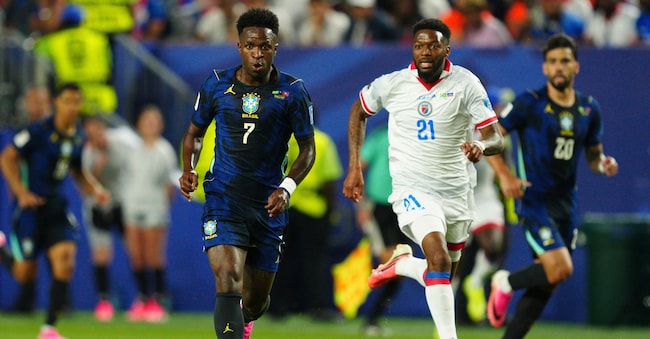
In global football, the shirt is much more than just a technical item: it is an industrial asset, a source of revenue, and a symbol of commercial power. The 2026 World Cup – the first to feature 48 teams – represents, from this perspective, the greatest showcase ever seen for sportswear brands. The first thing that stands out clearly is the high concentration of the market, with three major players dominating the scene and a host of smaller brands (10) trying to carve out a space for themselves. The second defining feature of this market is the significant disparity in the economic value of the contracts linking sponsors to the various national teams.
The dominance of the “Big Three”
Of the 48 national teams that have qualified, 37 are kitted out by three brands: Adidas, Nike and Puma, accounting for around 77 per cent of the total. This figure illustrates the structure of the market better than any economic analysis: a handful of multinationals, with the capacity for global investment, sit at the top of the pyramid.
In particular, Adidas – which, according to some analysts, recorded €250 million in World Cup-related revenue in the first quarter – continues to focus on a widespread presence and on long-standing national associations such as Germany (until 2026), Argentina and Spain, through an ‘institutional’ model: extensive coverage, stability and deep historical roots. Nike, on the other hand, has opted for a more selective approach, focusing its investments on national teams with the greatest global impact. It is no coincidence that it holds the most lucrative contracts – Germany (from 2027), France and England – and that its portfolio includes Brazil, France and the United States, with a focus on commercial returns. Puma, the third-largest player in the market, has instead built its growth through targeted positioning: a strong presence in Africa, a focus on emerging markets, and more modest average figures but with ample scope for expansion.
The brand rankings for the 2026 World Cup, however, see Adidas in first place with 14 national teams, Nike in second with 12 and Puma in third with 11.
Specifically, the following teams have been drawn against Adidas: Algeria, Saudi Arabia, Argentina, Belgium, Colombia, Curaçao, Germany, Japan, Mexico, Qatar, Scotland, Spain, South Africa and Sweden.


