
Over 120 passengers stranded at Linate due to delays caused by the new electronic border control system
The introduction of the Entry/Exit System caused long queues and inconvenience, with flights delayed and passengers forced to forgo boarding to Manchester. Of the 156 planned passengers, only 34 managed to board.

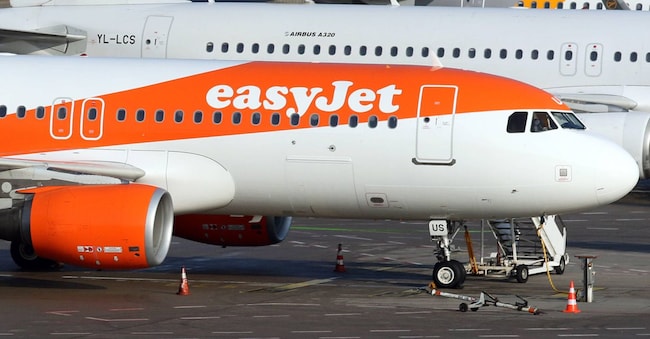
More than one hundred passengers - 124 to be precise, 78% - were stranded on Sunday 12 April at Milano Linate airport without being able to board an EasyJet flight to Manchester due to long queues for the new electronic border entry system for non-European citizens (the so-called Entry/Exit System or Ees), also introduced for those from the UK after Brexit.
British media reported this, quoting some of the protagonists of this misadventure.
The low-cost airline delayed take-off for 52 minutes to allow as many passengers as possible to pass through the controls, but the plane was forced to leave when the crew had reached the maximum number of duty hours allowed by safety regulations.
Of the 156 passengers expected, only 34 managed to board.
Among those stranded were Max Hume, 56, his wife Lynsey, 46, and 13-year-old son Archie, who were returning to England, like many others, after a holiday. "We are exhausted and disappointed," said Hume, who was forced to book another flight in order to return home with his family.

