
Overweight and obesity, the impact on the Italian economy is 97 billion
Ambrosetti study commissioned by the Pellegrini Group on the occasion of a conference at the Milan Triennale. Italy is living longer, but health is worse

2' min read
2' min read
The paradox is that Italy is the country of the much-appreciated Mediterranean diet, as well as the nation that boasts one of the most important agri-food chains in the world, which generates almost 20%of the national GDP and employs over three million people. Yet, in recent years, the numbers of obese or overweight people have risen rapidly, painting a worrying health, but also economic, picture.
A 2.8% damage to GDP
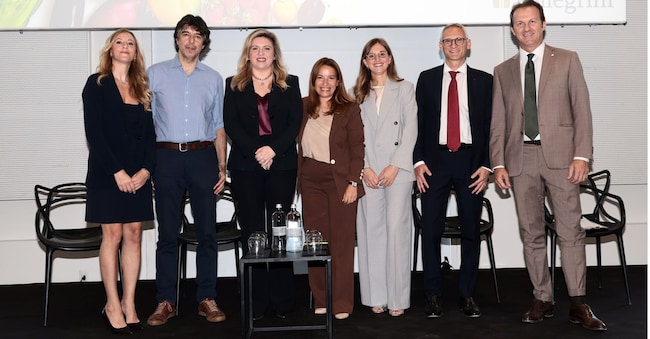
.According to a study carried out by The European House Ambrosetti on behalf of the Pellegrini Group and presented yesterday at the Triennale di Milano during the conference 'Food, Health and Healthy Longevity', Italians live on average 2.7 years less due to being overweight. Obesity treatments currently account for 9% of national health spending, and an unhealthy diet has become the second leading cause of chronic diseases in Italy. In addition, the loss of productivity linked to overweight and obesity amounts to 97 billion Euro per year, while the country's GDP is reduced by 2.8%.
Childhood obesity: Italy second in the EU
Perhaps the most alarming aspect concerns the new generations: if in fact Italy is among the most virtuous countries for containing overweight in the adult population, it is the second worst in Europe for childhood obesity, with 37% of children overweight, against the EU average of 29%. The current rate of childhood obesity will, according to studies, lead to an additional expenditure for the National Health System of more than 400 million per year.
Pellegrini's commitment
.Since the main causes of poor nutrition are mainly economic and cultural, collective catering can play a fundamental role in guaranteeing, in school canteens and company restaurants, democratic access to healthy and balanced food. Hence Pellegrini's decision to launch, together with the Fondazione Valter Longo, an experimental project involving 116 employees in a clinical and nutritional screening process. "We are proud of our collaboration with Triennale Milano," said President and CEO Valentina Pellegrini, "We put more than 400,000 people on the table every day and we know that this is a great responsibility, which we face with rigour and competence. This is why, for some time now, we have been working with the Valter Longo Onlus Foundation through our Academy'.

