
Pablo Picasso, Milan dedicates a major exhibition to the immigrant genius
The exhibition "Picasso the Foreigner", curated by Annie Cohen-Solal and Cécile Debray, is produced by Palazzo Reale with Marsilio Arte and can be visited until 2 February 2025

3' min read
3' min read
Undisputed genius and revolutionary artist, Pablo Ruiz Picasso was however also a foreigner to the nation that with the Musée National Picasso-Paris dedicated to him houses the most important nucleus of his works. It is true that the painter never became a French citizen, and in 1901 he was branded by the police as an anarchist to be kept under special surveillance. A strange fate that of this refugee in the land of France who contributed so much to the culture of the country and beyond.
Fifty years after his death, the work of Pablo Ruiz Picasso is - with an abundance of documents - extensively narrated through the lens of his precarious condition as an immigrant, long rejected and censored by the nation that saw him grow up and achieve success, while illustrating how this status influenced the multifaceted aesthetics of the Malaga painter, as well as his political and strategic choices. Fully aware of his value, despite his evidently difficult status in France, the artist from a young age directed the projects that led him to global success in a more than shrewd (and happy...) manner.
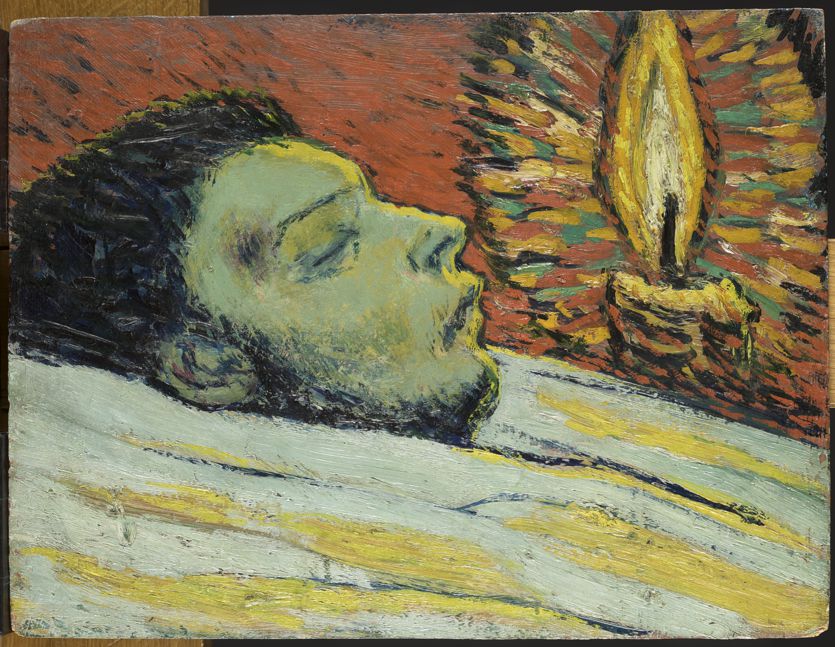
Musée National Picasso-Paris
Promoted by the City of Milan - Culture, the exhibition is the original idea of Annie Cohen-Solal, author of "Picasso. A Foreigner's Life" and is produced by Palazzo Reale with Marsilio Arte thanks to the collaboration of the Musée National Picasso-Paris (MNPP), the main lender, the Palais de la Porte Dorée with the Musée National de l'Histoire de l'Immigration and the Collection Musée Magnelli Musée de la céramique in Vallauris and includes more than 90 works by the artist, as well as documents, photographs, letters and videos. This is an exhibition with a strongly historicist slant, therefore, and at the same time of incredible topicality for a city like Milan that is confronted every day with the theme of inclusion and immigration. Curator Annie Cohen-Solal explains: "Looked at with suspicion as a foreigner, a leftist, an avant-garde artist, Picasso juggled with skill and political acumen in a country that relies on two great institutions: the police des étrangers and the Académie des beaux-arts, which obsessively protect the 'purity of the nation' and 'good French taste'," says the curator. In my research, the image of a vulnerable and precarious Picasso constantly appears, because he knew he could be expelled at any moment. Nevertheless, he knew how to navigate as a great strategist against widespread xenophobia'.
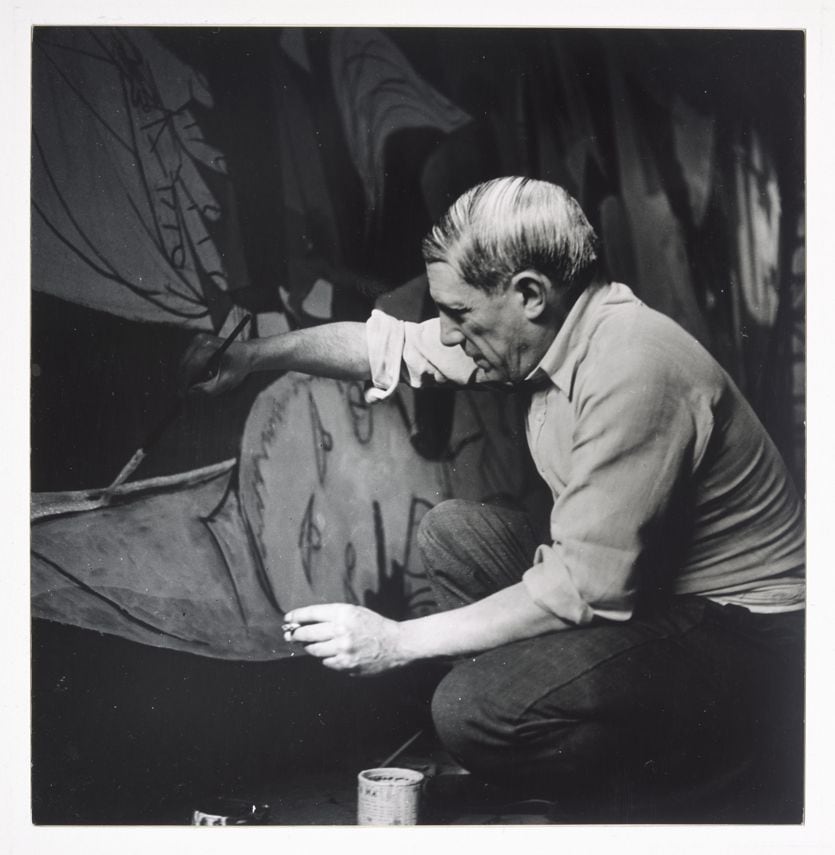
Biographical note
Born in 1881 in Malaga, Spain, Picasso first arrived in Paris from Barcelona in October 1900 for the Universal Exhibition, without knowing a single word of French. In 1901 he was mistakenly registered under number 74,664 as an anarchist under special surveillance. In 1904 he settled permanently in Paris, where he established himself as a leader of the Cubist avant-garde. Although France became his home and his fame grew beyond national borders, the artist would never obtain French citizenship. During the civil war in Spain, the artist painted Guernica (1937), the immense canvas destined to become the universal banner of anti-fascist resistance, so on 3 April 1940, fearing that he was in danger in a country where the Nazi invasion was imminent and he was only an unwelcome foreigner, he applied to the French state for naturalisation, which was refused. It was in 1929 that the Louvre turned down the donation of the 'Demoiselles d'Avignon' and so, until 1947, there were only two works by Picasso in French public collections, despite the fact that his fame was established worldwide. The climate of suspicion and exclusion to which he was subjected did not prevent him from settling in the south of France in 1955, preferring the province to the capital and thus anchoring himself definitively in the Mediterranean space to which he had always belonged.
"Picasso the Foreigner", curated by Annie Cohen-Solal and Cécile Debray. The exhibition is produced by Palazzo Reale with Marsilio Arte in collaboration with the Musée National Picasso-Paris (MNPP). Milan, Palazzo Reale, until 2 February 2025

