


Affitti brevi, il flop della cedolare al 26%: vale solo 17 milioni di gettito extra
di Dario Aquaro e Cristiano Dell’Oste

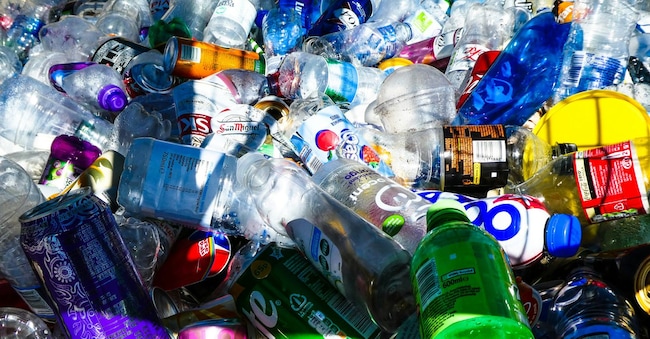
For the current year, the recycling percentage of packaging in Italy is expected to be around 75% (almost 11 million tonnes). This is the estimate made by Conai, the packaging consortium, on the occasion of World Recycling Day, today 18 March. The estimate is slightly down on the last consolidated figure (of 2024) of 76.7%: this is the result of the difficulties that the recycling sector is experiencing in some sectors, despite a constant increase in the volumes of separated waste collection that is greater than that of the packaging put on the market, which is estimated to be well over 14 million tonnes in 2026 (it had been over 13.9 in 2024).
The growth in waste sorting is also expected to take place thanks to the new rules of the Ppwr, the EU packaging regulation operating from August 2026, which broadens the scope of items counted as packaging (e.g. coffee capsules and tea bags) and tracks the numbers of online market places.
According to Conai Chairman Ignazio Capuano, whose term of office has just been extended until June 2027, the estimates, particularly this year, call for caution: 'The dynamics we observe in recycling rates are influenced by contextual factors and particular market dynamics. For paper, the decrease in domestic demand accompanied by a growth in exports is affecting it. "For plastics," adds Capuano, "the slowdown of the last few months, linked to the low cost of recycled material, has become less strong with the current crisis in Iran, which has driven up the price of virgin plastic, making recycled material attractive again. However, we need to facilitate the market outlets for recycled material in a structural way, for example with tax credits for companies that use them'. For the president, this is also what the Ppwr should aim for, 'at the moment, however, uncertainty prevails: there are delays in the secondary legislation that has to define the details of the regulations. And uncertainty does not help companies to plan the necessary investments'.
For the year that has just begun, it is expected that more and more end-of-life packaging will be entrusted by municipalities to the system represented by Conai and the supply chain consortia: more than 5.5 million tonnes, up from 4.740,000 in 2024 (last consolidated figure). In a context complicated by the geopolitical crisis, the importance of the Conai system's subsidiarity should therefore be realised in 2026, as it has been in previous crises of the national economy.
"The Conai system sees its management sphere increase precisely when the market withdraws due to the decreasing profitability of recycled materials," comments Capuano, "and leaves room for the market when recycling becomes economically viable again. The evolution of the international scenario in the coming months will heavily influence the 2026 results for the country system.

