
Packaging Decree: final approval by the Chamber of Deputies – it is now law. Here’s what’s changing for single-use plastics
The measures aim to ensure that the placing on the market of certain specific types of single-use plastic packaging complies with the criteria for biodegradability and compostability

Key points
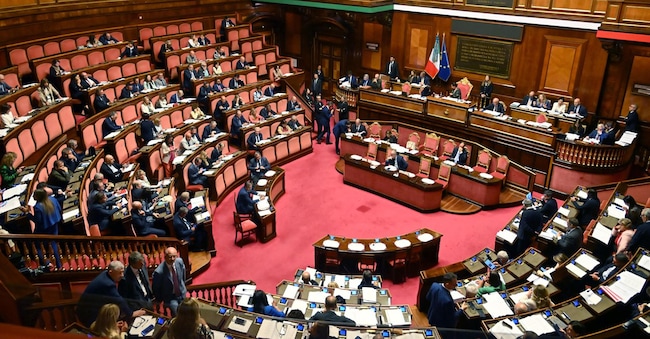
From fruit, vegetable and drink packaging to the toiletries provided by hotels, there are numerous products affected by the crackdown on single-use plastics contained in the Packaging Decree, which was finally approved by the Chamber of Deputies with 178 votes in favour, 57 against and 79 abstentions. The measures have been in force since 8 August and aim to ensure that certain specific types of single-use plastic packaging placed on the market comply with criteria for biodegradability and compostability. The objectives include protecting the environment and natural resources, reducing the environmental impact of single-use plastics and promoting the circular economy.
More restrictive criteria
The text of the law tightens the criteria with which single-use plastic packaging must comply when it is placed on the domestic market for the first time. Specifically, in addition to complying with the formats and uses permitted by the EU legislation coming into force in February 2025 – the PPWR (Packaging and Packaging Waste Regulation) – packaging must be certified by accredited bodies as biodegradable and compostable in accordance with European standards. The government’s aim is to comply with EU regulations without, however, harming the industry. The decree also aims to support industrial innovation and the competitiveness of businesses operating in the compostable bioplastics sector, as well as to promote technological and production innovation in the compostable packaging sector.
Single-use plastic
The criteria for biodegradability and compostability must be met, first and foremost, by single-use plastic packaging used for pre-packaged fresh fruit and vegetables weighing less than 1.5 kg. This also applies to packaging containing food and drink that is filled and intended for consumption on the premises of the hotel, restaurant and catering sectors. In the Horeca sector, packaging containing individual portions of condiments – including preserves, sauces, coffee cream and sugar – must also comply with the new regulations. However, exceptions are made for packaging supplied with ready-to-eat takeaway food intended for immediate consumption without the need for further preparation, and for packaging used to ensure safety and hygiene in facilities such as hospitals, clinics or care homes.Finally, the provisions of the new decree apply to single-use flexible packaging for cosmetics and hygiene products used in the hospitality sector for tourists and travellers, intended for individual use and to be disposed of before the arrival of the next guest.Breaches: In the event of a breach of the new rules, the decree provides for fines ranging from 2,500 to 25,000 euros, which will come into force from 1 January 2030. Administrative penalties apply when the limits imposed by law are breached, including through the use of declarations of conformity or other misleading or evasive statements. Penalties may be increased to up to four times the maximum amount if the breach involves quantities of packaging worth more than 10 per cent of the offender’s turnover.

