
Pakistani raids in Afghanistan. Red Crescent: '18 dead and several wounded'
The new violent escalation between Islamabad and Kabul comes after a series of suicide bombings in Pakistan
from our correspondent Marco Masciaga
 Aggiungi Il Sole 24 Ore
ai preferiti su Google
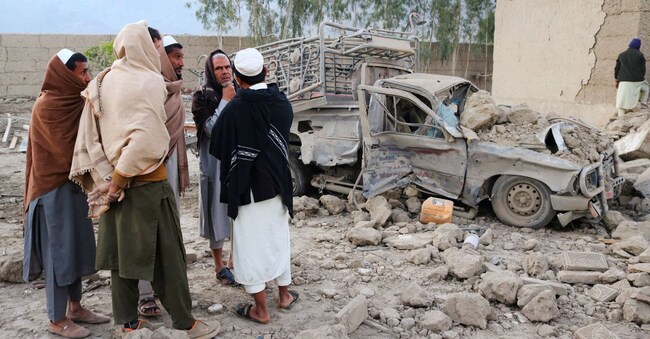
NEW DELHI - Shortly before dawn on Sunday, the Pakistani government announced that it had carried out targeted attacks in the Afghan provinces of Nangarhar and Paktika against "seven terrorist hideouts and training camps" that can be traced back to two extremist formations, Tehrik-e-Taliban Pakistan (Ttp) and Islamic State - Khorasan Province (Iskp). The provincial director of the Afghan Red Crescent in the eastern province of Nangarhar said that the attacks claimed 18 victims and that there were several wounded, while the Pakistani Deputy Interior Minister, Talal Chaudhry, claimed, without bringing evidence, that 'at least 70 militants' had been killed in the raids.
The Afghan Ministry of Defence responded with a statement in which it 'strongly' condemned what it called 'a brazen violation of Afghan sovereignty, international law, neighbourly coexistence and Islamic values', adding that dozens of civilians, including women and children, were 'martyred' in the airstrike.
A response to the suicide bombings
Regardless of whether they hit militants or not, the attacks on Saturday night and Sunday night are a new, sharp escalation in the progressive deterioration of relations between Islamabad and Kabul, and come after Pakistan has been repeatedly hit by attacks in recent days.
In recent weeks there has been a suicide attack against a Shia mosque in Islamabad costing the lives of 31 worshippers and two attacks in the north-western districts. A few days ago, an explosives-laden vehicle crashed into a military installation in Bajaur, killing 11 soldiers and a child, while on Saturday, a few hours before the Pakistani raids, a suicide bomber targeted an army convoy in Bannu, killing two soldiers including a lieutenant colonel. In the ensuing firefight, Pakistani security forces reportedly killed five militants.
The government led by Prime Minister Shehbaz Sharif claims to have gathered 'incontrovertible evidence' that jihadist groups 'under the orders of a leadership based in Afghanistan' are behind the attacks and accuses the Taliban leadership of doing nothing to prevent extremist groups from using Afghan territory to prepare attacks across the border.


