
Pakistani Premier Sharif and Chinese government: attacks in Balochistan aim to block the New Silk Road
A series of attacks launched by the Balochistan Liberation Army against highways, railway lines and police stations claimed dozens of lives in the Asian country and triggered a violent retaliation by the security forces

3' min read
3' min read
From our correspondent
NEW DELHI - Pakistani Prime Minister Shehbaz Sharif condemned the attacks launched Monday by a separatist group in Balochistan, branding them as an attempt to block the infrastructure projects of the China-Pakistan Economic Corridor (Cpec), one of the routes along which Beijing's Belt and Road Initiative, or New Silk Road, unfolds.
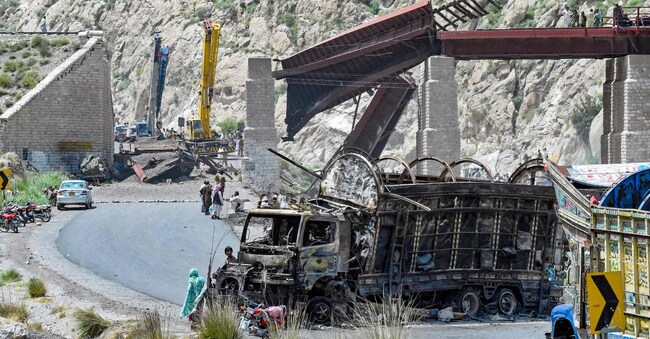
A series of attacks by the Balochistan Liberation Army against highways, railway lines and police stations claimed dozens of lives and triggered a violent retaliation by the security forces. By the end of the day, the dead - separatists, military, police and civilians, mostly from other provinces of Pakistan - numbered more than 70.
"Terrorists want to block Cpec and development projects," Sharif said in a video link with members of his government. Shortly afterwards, the voice of the Pakistani premier was joined by that of a spokesman for the Chinese Foreign Ministry who during a routine briefing with the press "strongly" condemned the attacks and reiterated that Beijing will continue to support Islamabad in its battle "against terrorism".
A poor region rich in natural resources
.Balochistan is the most vast and rich in natural resources of the four provinces (plus three small territories) that make up the country. But it is also the one with the highest poverty rate. For decades, this mountainous and desert region on the border with Iran has been plagued by an independence movement that accuses the central government of exploiting local resources without sharing the benefits with the population.


