
Panetta to the ECB: ‘No to a massive rate hike like the one in 2022’
He explained that “monetary policy must avoid being tied to a predetermined path”

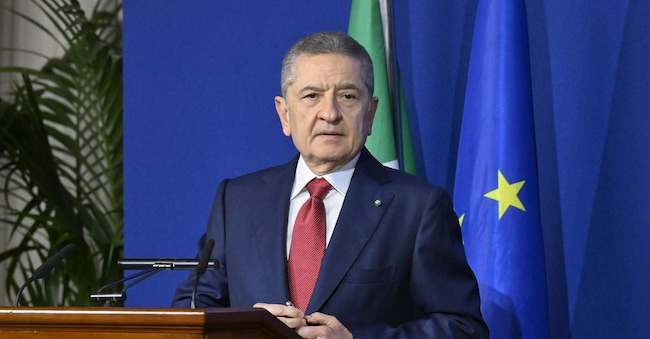
It is true: the energy – and therefore economic – shock caused by the war in the Middle East. But the European Central Bank, according to the Governor of the Bank of Italia, Fabio Panetta, must ‘navigate between the two extremes’ of regarding the current price shocks as ‘temporary’ and ‘responding’ – as in 2022 – with a series of major rate rises.
It’s a mistake to react like that
In short, according to Panetta, speaking at the ChaMp conference, this reaction (that is, a massive rate rise) ‘would be a mistake’. In fact, the governor believes that ‘we are not in the same situation as in 2022’. On that occasion, there were ten consecutive rate rises. Today, however, “demand is weaker and real interest rates are higher”.
‘No set path’
This does not mean that the rate rise twenty days ago was wrong. Quite the contrary. Panetta defended the 25-basis-point increase. “The ongoing negotiations between the United States and Iran could lead to lower energy prices than assumed in the June baseline projections. However, the outlook remains fragile. Upside risks to inflation continue to coexist with downside risks to growth. This calls for constant monitoring of geopolitical developments, energy markets, supply chains, wages and inflation expectations. It also requires monetary policy to avoid being tied to a predetermined path.”
Alternative scenarios
Panetta also called on the ECB to focus “also on alternative scenarios and analyses” of a broader scope, given the current highly uncertain global situation. This means, for example, “geopolitical fragmentation, artificial intelligence, digital finance, an ageing population and climate change”. Central banks, therefore, according to the governor, must “improve their ability to interpret supply-side shocks”, which have become “more frequent, persistent and closely interlinked with transformations in the global economy”.

