Paralympics, Ipc rejects Ukrainian uniforms: 'Too political'
On the yellow and blue ceremonial jackets, a print of a map of the country including Donbass and Crimea, territories now occupied by the Russians
by Giulia Riva
 Aggiungi Il Sole 24 Ore
ai preferiti su Google
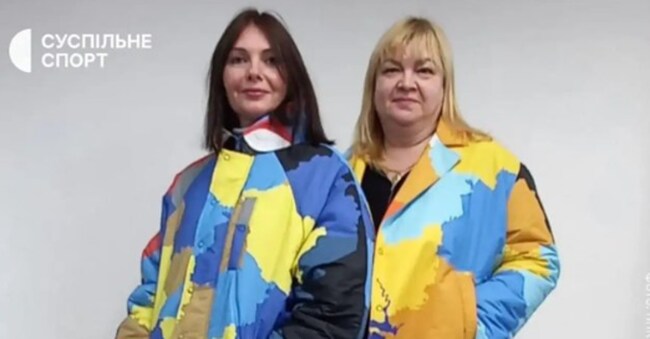
Clothes do not make the man, but - apparently - once again it makes politics. At least according to the International Paralympic Committee (IPC), which has banned Ukrainian athletes from wearing the ceremonial uniform designed for participation in the Paralympics in Milan Cortina 2026, which kicks off on Friday 6 March with the Opening Ceremony at the Arena in Verona.
"National anthem texts, motivational words, advertising/political messages or slogans related to national identity are forbidden. A map of a country falls into this category'. With this motivation the Ipc has banned the Ukrainian Paralympic uniforms. At the centre of the controversy are jackets - published on the social channels of the Ukrainian Paralympic Committee - on which is printed, in yellow and blue like the country's flag, a map of Ukraine within the internationally recognised borders, which therefore includes territories occupied after the Russian invasion such as Donbass and Crimea.
A 'beautiful and symbolic' uniform, which 'shouts very clearly that Ukraine exists in the world and in Europe with all its territories, without Russian occupation', called it Valerii Sushkevych, president of the Ukrainian Paralympic Committee, interviewed on Monday 2 March by Ukrinform.
"There are Ipc bureaucrats sitting there, watching and preventing Ukraine from declaring itself a country without occupation and that it will fight in this form against the aggressor country," Sushkevych quipped in a statement relayed by the sports news outlet Tribuna.com.
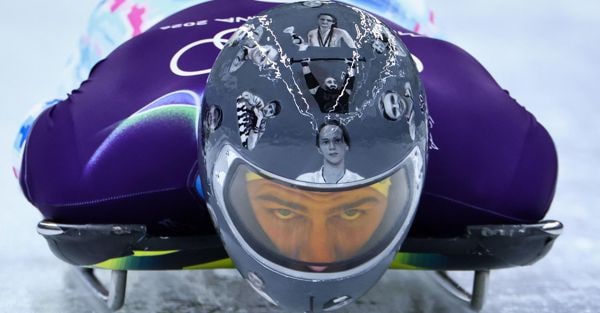
The uniform issue is part of an already controversial picture. In February, during the Milan Cortina 2026 Olympics, the Ukrainian skeletonist Vladyslav Heraskevych - one of the eve's favourites for the medals - was disqualified for wearing a customised helmet bearing the faces of some Ukrainian athletes who were killed in the war against the Russian invasion. Also in that case the IOC, the International Olympic Committee, had rejected the helmet because it carried a political message.