
Paramount reaches agreement with the US government on the acquisition of Warner Bros Discovery
The group has negotiated a package of concessions with California and other states to resolve the dispute over the deal

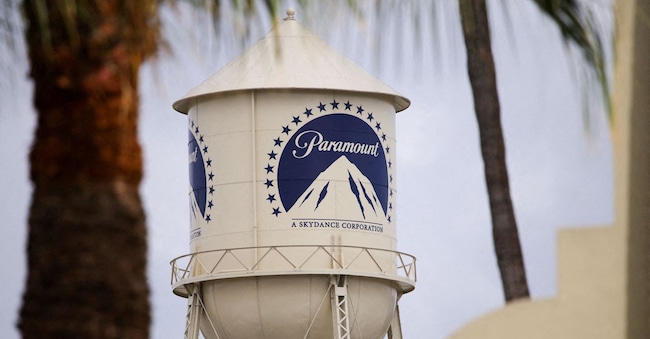
The path to the merger between Paramount Skydance and Warner Bros. Discovery is becoming significantly shorter. Paramount has reached an agreement with California and the other eleven US states that had filed a lawsuit in July to block the $110 billion takeover. The announcement was made at a press conference by California’s Attorney General, Rob Bonta, himself.
This removes one of the main obstacles to a deal set to redraw the global media landscape, bringing film studios, CBS, CNN, HBO and streaming platforms under one roof.
However, the agreement comes at a specific cost. Paramount has committed to bringing more film productions to the United States, increasing domestic spending by at least $300 million a year. The number of films will also rise: there will be 30 a year in the first two financial years following the completion of the deal, and 32 in the following three. At least four titles each year must be independent productions, whilst at least 20 per cent must be blockbusters. These commitments transform the antitrust settlement into a sort of five-year plan for American film production.
Then there is the issue of news coverage, one of the most sensitive aspects of the entire deal. Paramount will set up a body tasked with ensuring the editorial independence of the CBS and CNN networks. This is one of the concessions with which the group led by David Ellison has responded to concerns about the concentration of power that the merger of the two groups will bring about across the film, television, streaming and news sectors.
Wall Street immediately reacted to the change in circumstances, with Parampunt and Warner Bros Discovery shares leading the way. After all, the compromise reached with the US authorities removes a source of uncertainty that had been hanging over the deal for months. The Trump administration had already given its go-ahead, but in July the coalition of twelve attorneys-general, led by California’s Rob Bonta, took the deal to court, arguing that it would reduce competition and create a media giant capable of raising prices in the cinema and television sectors.


