
Paramount-Warner Bros Discovery: a judge temporarily halts the merger
The $110 billion deal has been suspended for 14 days. Twelve states have raised antitrust concerns. The next hearing is on 3 August

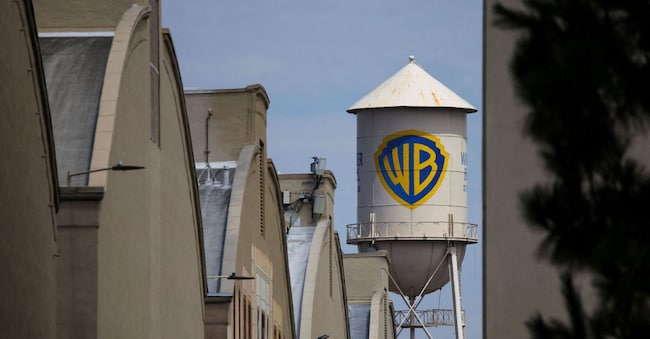
Hollywood’s most ambitious merger has, at least for now, come to a standstill. A federal judge in California has suspended Paramount Skydance’s acquisition of Warner Bros Discovery for 14 days – a $110 billion deal set to reshape the film, television and streaming industries. The ruling does not cancel the deal, but it does disrupt the timetable and hands the opponents an initial victory.
Judge Araceli Martínez-Olguín has granted the request made by California and eleven other states, which allege that the merger would stifle competition in the theatrical film and cable television markets. The decisive hearing on the preliminary injunction is scheduled for 3 August. Until then, Paramount and Warner Bros Discovery will remain separate competitors. In her order, the judge notes that there remain ‘serious questions on the merits’ and that the new company could gain a market share large enough to suggest a breach of antitrust rules.
The crux of the matter is simple: how much power can be concentrated in the hands of a single group whilst Hollywood loses audiences, revenue and certainty? According to the US authorities, the new giant would control 27 per cent of films distributed on a large scale and over 30 per cent of anticipated blockbusters. Four companies – the new entity, Disney, Universal and Sony – would thus come to dominate more than 90 per cent of the market. And behind these figures lie fewer buyers for screenwriters and producers, fewer options for cinemas, and less pressure to invest in new titles.
Paramount counters that the picture painted by the plaintiffs is a thing of the past. Cable TV is in decline, cord-cutting is eroding traditional package deals, and Amazon, MGM and A24 have made cinema more mobile. The merger, argues the group led by David Ellison, would serve to create a competitor large enough to challenge Netflix and Amazon in the streaming market. But the judge rejected the idea that the promised benefits in one market could offset the harm caused in another.
Time is also a factor. Paramount had hoped to finalise the deal as early as 22 July. From 30 September, should there be a delay, it would be required to pay Warner Bros Discovery’s shareholders $7 million a day. The company has promised at least 30 films a year in cinemas, but US states are urging people not to rely on non-binding commitments. California’s Attorney General Rob Bonta described the decision as ‘a crucial first victory in preventing this mega-merger from ever seeing the light of day’.


