Paris Internationale Milan, a first edition that convinces
Amidst widespread sales and new discoveries, the event inaugurates a sustainable format that intercepts a collectorate attentive to the emerging scene

Key points
When Paris Internationale announced its first edition in Milan - from 17 to 21 April - the question among the founders was clear: what would we like to see, today, in a contemporary art fair? The answer, once the fair is over, is an articulate balance that goes beyond the numbers: alongside the sell-outs of some galleries, an orientation towards an emerging scene capable of intercepting a collectorism in search of new trajectories is emerging.
This is an interpretation shared by Nerina Ciaccia (Ciaccia Levi, Paris) - one of the founders of the Parisian fair - who emphasises "how sales were widespread throughout the fair - between those who sold single works and those who sold out - revealing a generally positive climate, particularly among international galleries, such as Jocelyn Wolff, which also highlights the quality of the curatorial accompaniment".
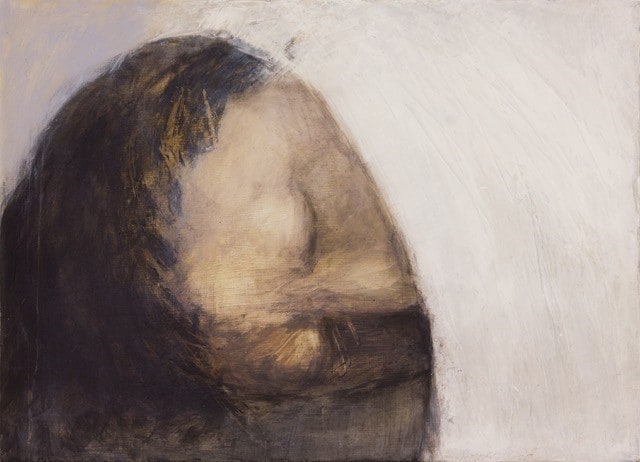
On the Italian galleries' side, the response was also solid, with some notable sales, including Francesca Minini who presented among the special projects the marble, bronze and beeswax sculptures by Ambra Castagnetti - priced between 12,000 and 23,000 euro - which were appreciated and some were sold at the opening.
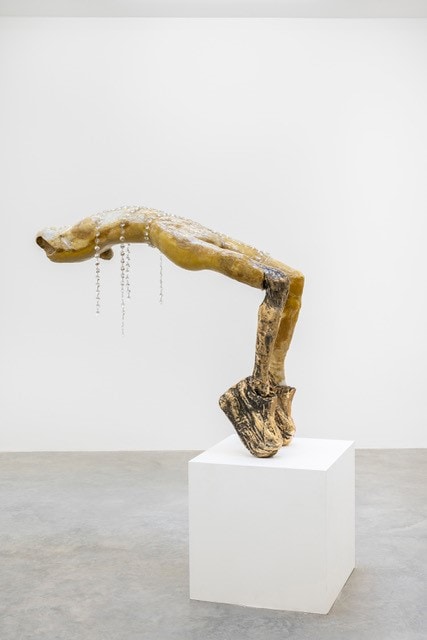
What stands out among the proposals is a significant fact: the good hold of works under 15 thousand euro, a sign of an attentive and responsive market in an accessible bracket. Added to this is a relatively accessible cost structure: the participation fee for exhibitors varies between 4 thousand and 13 thousand euro.
And for the future? "Looking to the future," says Nerina Ciaccia, "the intention is to consolidate the format without altering its balance: the fair will return in 2027 with the same duration and a substantially stable number of exhibitors - 34 galleries present - considered adequate to guarantee an agile fruition and direct dialogue between gallery owners and visitors. Even the overlap with the days of the Salone del Mobile, initially observed with caution, seems to have produced encouraging results, including qualified visits and additional sales. The objective, rather, is to establish a habit over time, so that this appointment can progressively become part of the city's mental calendar".
The event also emphasised the dialogue between contemporary art and urban transformation. The choice of venue - Palazzo Galbani - is, in fact, an integral part of the curatorial project. The historical building under restoration by the Park studio on behalf of Domo Media benefited from an installation that, as always, was signed by the Swiss studio Christ & Gantenbein in collaboration with the Milanese designers NM3.