The Paris Motor Show is about to begin: previews and participating manufacturers
For 128 years, the Mondial de l’Auto (12–18 October) – as the French call their motor show – has been celebrating record attendance figures: 60 brands across 5 halls. The aim is to exceed the 500,000 visitors recorded at the edition held two years ago, which marked the event’s 90th anniversary.

Key points
- Two groups in particular
- Lots of small cars on debut
- China’s response to the Europeans
- The concepts behind Renault’s new range
- The new designer makes their debut
- The new models set to make their road debut
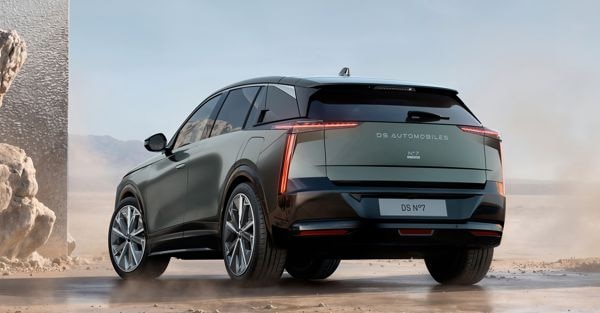
- A bit of everything from the premium brands
- Chinese brands making their debut – or almost
- An online media review
The Paris Motor Show is back! After several difficult years, culminating in the Covid pandemic, it appears to have regained its role as the automotive sector’s leading event, at least at European level. The show is set to open from 12 to 18 October, hosting 28 European brands – far more than two years ago – alongside 24 Chinese brands and a further four from Japan and the US. The lavish exhibition spaces are a thing of the past, but it’s important to be there, even if there are a few too many notable absences. The public’s interest in seeing the cars in the flesh is the key to its success.
Two groups in particular
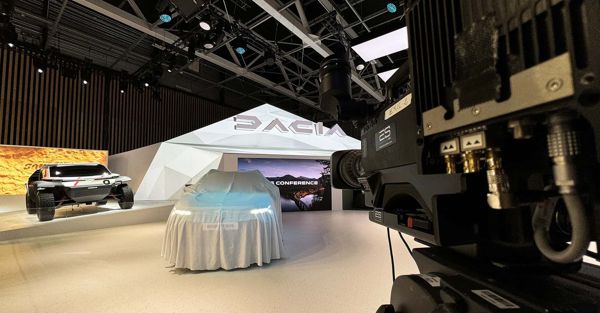
The undisputed stars of the Paris Motor Show will be the French group Renault and Stellantis with its French-made brands – but that’s not all. Renault will be showcasing 50 vehicles and concept cars, including six world premieres, representing three complementary brands – Renault, Dacia and Alpine – which will be going head-to-head with the Italian-French Stellantis group, boasting 60 cars on display from the eight brands present at the show. This represents a genuine response to the 24 Chinese brands, which have never before been so numerous at a single motor show.
Plenty of small cars on debut
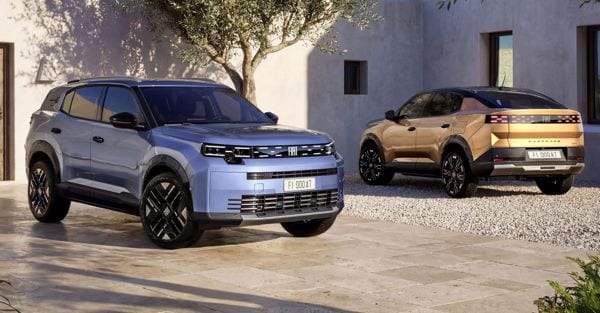
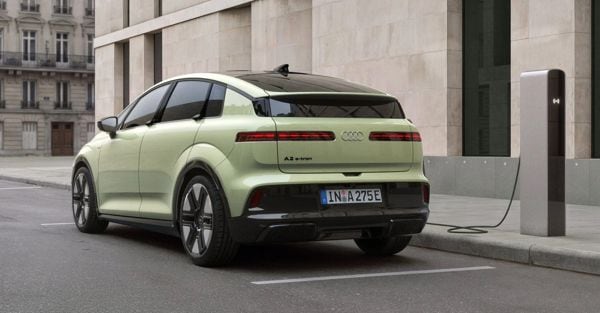
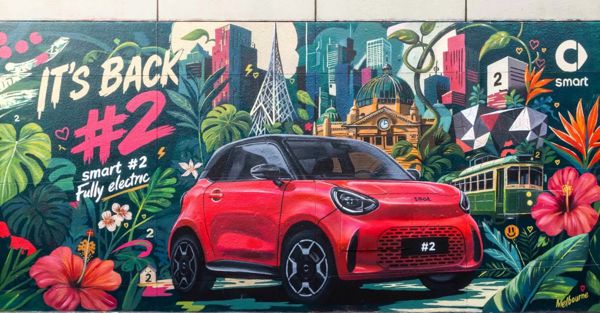
We start with Stellantis’ first E-Car, the Citroën 2CV, which is making its debut – albeit still as a concept car – in Paris, 78 years after the original. Then there’s the Smart #2, the successor to the ForTwo unveiled at the Paris Motor Show 28 years ago. Then there’s the new Dacia Spring, which proves it has raised the bar compared to the current model, and the Audi A2 e-tron, which brings back the concept of a minivan with a modern twist – a concept that could also make a comeback from an Italian brand: one of the many surprises revealed in the run-up to the show.
China’s response to the Europeans
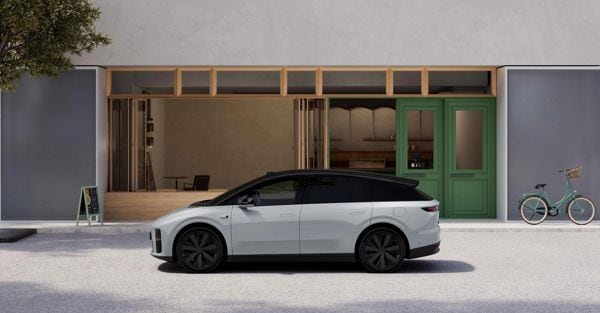
The response from the 24 Chinese brands present at the Paris Motor Show to the 28 European brands is technology, in particular the range extender. These are cars designed from the outset as electric vehicles, to which an internal combustion engine has been added – not to provide traction, but to recharge the battery that powers the motor connected to the wheels. It is a simple yet cost-effective system to address the need to recharge the battery and extend the range to over a thousand kilometres. This solution has been adopted by Xpeng’s latest model, the G9L – a 5.12-metre-long SUV – and by BYD with its Dolphin G DM-i.
The concepts behind Renault’s new range
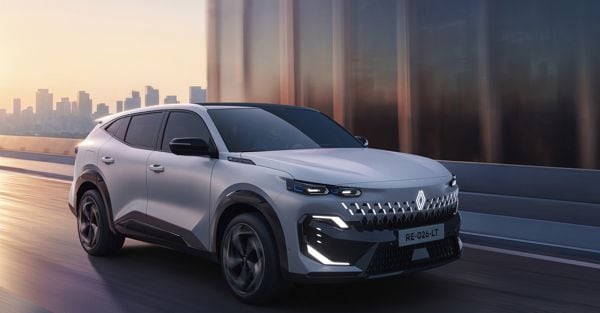
The French group, comprising its Renault, Dacia and Alpine brands, has announced no fewer than six new models, comprising four concepts and two production-ready models. The two production cars are the new Dacia Spring – which has not yet been shown in public – and the Renault Rafale Hypnotic, a special edition of the coupé SUV. As for the concept cars, there is as yet no official information, other than that they represent Renault’s new direction, featuring different styles and no longer drawing on the past, such as the Renault 5, the Renault 4 or even the Twingo.