
Pastoralism: around 8 million heads and a supply chain with 60 thousand holdings
by R.I.T.
2' min read
2' min read
Italy has more than 7 million sheep and 900 thousand goats distributed along the Apennine ridge, the Alps and the Islands. Sardinia remains the beating heart of the sector, with more than 3 million sheep (over 32% of the national herd), 50% of Italian sheep milk and about a quarter of the country's goats.
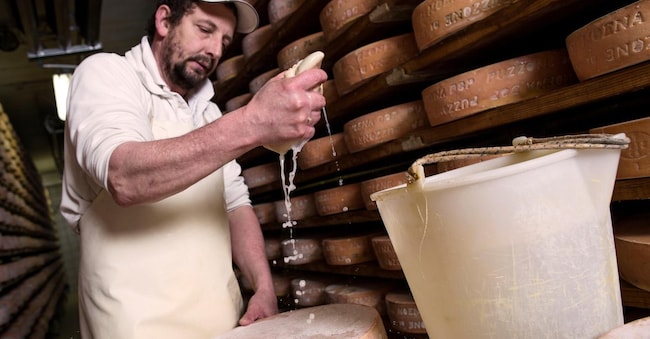
Sheep and goat farming is an important production activity traditionally widespread throughout the country. According to Crea and Istat data, the national sheep and goat supply chain produces about 600 thousand tonnes of milk per year, more than 60% of which is destined for PDO cheeses. Pecorino Romano cheese alone, 95% of which is produced in Sardinia, is worth around 350 million euros a year. The overall allied industries exceed 1 billion, involving about 60 thousand farms and thousands of workers in processing, distribution, and related tourism.
In the last ten years, the sector has accelerated its transformation. Multifunctional farms have grown by 25 per cent, more than 20 per cent sell directly, 15 per cent supplement with agrotourism and 12 per cent carry out educational or experiential tourism.
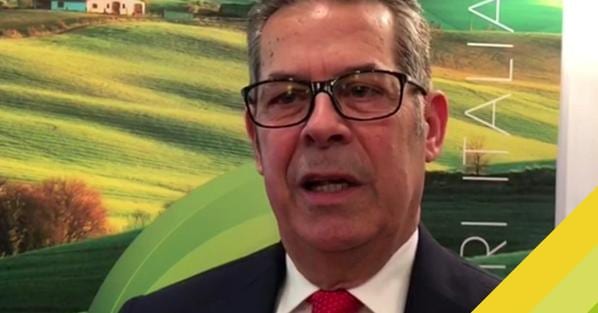
From 19 to 22 September, in Bra, Slow Food's Cheese 2025 will be the international showcase for raw milk and artisan cheeses. Mario Serpillo, president of the Italian Farmers' Union (Uci), underlines: 'Our collaboration with Slow Food Italy is an important signal: ours is a joint commitment to promoting a more sustainable and resilient agriculture. The aim is to protect and economically re-launch a centuries-old tradition in our country, offering new social and employment opportunities, especially for young people, and to manage the critical environmental issues that its production activities currently present'.
Transhumance, still practised in Abruzzo, Molise and Basilicata, has been a Unesco intangible cultural heritage since 2019. Pilot projects are currently underway involving schools and universities, bringing students closer to the pastoral world with grazing days and cheese-making workshops. A sign that pastoralism can be not only a trade, but a life project for the new generations. 'Putting pastoralism at the centre of the national agricultural policy,' Serpillo concludes, 'means investing in training, infrastructure and innovation, supporting short supply chains and recognising the role of pastoralists as social and environmental guardians.

