
Roadmap for achieving zero emissions by 2050: challenges and progress
The International Energy Agency presents a roadmap to achieve zero emissions by 2050, but the energy crisis and climate crisis are obstacles

2' min read
2' min read
In 2021, the International Energy Agency (IEA) published one of the possible roadmaps on how to globally achieve zero pollutant emissions by 2050. A path that in the IEA's vision will be characterised by a progressive decoupling of economic growth from energy consumption. Already by 2030, in fact, the world economy is expected to be around 40 per cent larger than today, but using 7 per cent less energy;
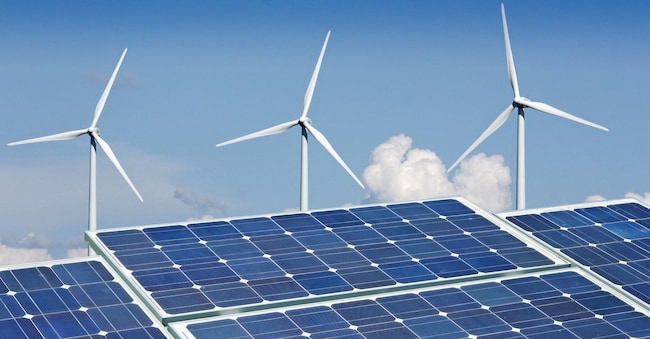
To achieve these goals, the greatest decarbonisation effort is required from the energy sector, the main source of CO2 emissions. By 2050, solar, photovoltaic and wind power will have to account for 70 per cent of global electricity production, which will have to be net zero emissions by 2040. This will require a huge increase in the flexibility of the electricity system to ensure reliable supplies;
This is not a vision without obstacles. Compared to initial IEA forecasts, the war in Ukraine and the ensuing energy crisis have resulted in a clear step backwards in the global decarbonisation trajectory. In contrast, the climate crisis is not slowing down, with maximum temperature records continually being adjusted upwards. However, there have been encouraging signs in the last two years characterised by multiple announcements around the world - think of the European Net Zero Industry Act - of industry plans to support so-called clean energy technologies.
As a result, while in 2021 the IEA estimated that 50 per cent of the emission reductions in 2050 will come from technologies that are currently at the demonstration or prototype stage, two years later this share has fallen to 35 per cent. Progress has been rapid: for example, the first sodium-ion batteries made their market debut last year. The speed at which major clean energy technologies are being introduced means that the IEA predicts that demand for coal, oil and natural gas will peak this decade even without new climate policies.
However, this will not be enough to prevent an average increase in the earth's surface temperature beyond the 1.5 °C threshold. It will therefore be necessary to continue investing in clean technologies and energy sources. Last year, such investments worldwide amounted to USD 1.8 trillion. This figure will have to rise to USD 4.5 trillion per year by the early 2030s to be in line with the roadmap outlined by the International Energy Agency;

