
Independent candidates are gaining ground for the future CSM
Grassroots meetings of magistrates to propose new candidates who are not affiliated with any political factions
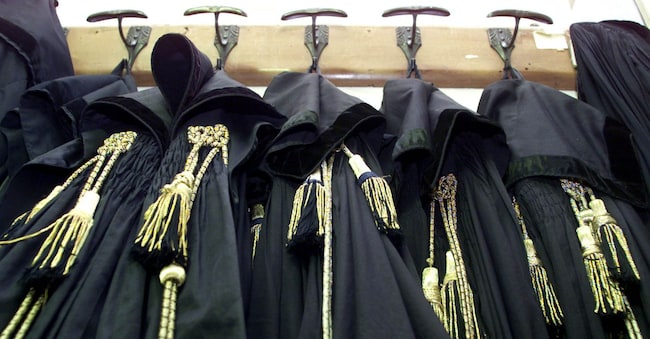
The dates have been set, 23 and 24 October, and the candidates are gradually coming to the fore. The process is unfolding in ways that are largely unprecedented. For the election of the 20 judges to the future CSM, whilst organised groups have formalised the names of the prospective councillors – including magistrates known for their activism within the ANM – a grassroots mobilisation is taking shape within the judicial offices, partly driven by the desire to gather the outcome of the constitutional referendum, and partly because it has been underway for some time, with the aim of presenting entirely new faces less tied to factional loyalties.
Previous entries
At an individual level, the independent councillor Roberto Fontana has been a trailblazer during this term of office, but in more general terms, the outcome last year’s elections for the executive committee of the ANM in Milan and the local judicial council, which saw new lists such as ‘Futuro giustizia’ and ‘Progetto base’ prevail, offering alternatives to those of the proverbial factions.
The names
These are encouraging results, but they must now be backed up by the nomination of suitable candidates. Four names have emerged as frontrunners, following well-attended meetings held in recent days in Milan and the Triveneto region. Firstly, Giovanni Battista Nardecchia, Deputy Attorney General of the Court and a long-standing expert on corporate crises. Among the public prosecutors is the Deputy Public Prosecutor of Milan, Roberta Amadeo, who specialises primarily in economic criminal law; and, among the judges, Angelo Mambriani, former president of the specialised corporate law division in Milan, and Pier Paolo Lanni, a magistrate in Verona.
Key points
Bolstered by the Cartabia reform of the judicial system, which has created the conditions for a diverse range of candidates with differing political leanings to emerge – not least through an electoral system that encourages judges to find common ground on specific issues – the candidates in the running are united around a series of priorities that have also emerged from the debates of recent weeks: strengthening the autonomous governance of the judiciary, transparency in appointments, reducing the scope for discretion exercised by the High Council of the Judiciary (CSM), and the need to promote processes of self-reform within the judiciary.
The election campaign
No, however, to a heated election campaign that exacerbates divisions; rather, a focus on one point: combating the excesses of factionalism does not lie in denying the role of associative groups, but in promoting grassroots candidacies, based on ability, independence, transparency and professional commitment, free from the constraints of a mandate and from external influences.


