
Coffee: the price of a cup of coffee at the bar steadily rising, analysis of causes and future predictions
Scocchia (IllyCaffè's CEO): 'The average cost of a cup of coffee at the bar, which is currently rising sharply (+19% compared to 2021 and +3.4% compared to 2024), shows great disparities between cities: Benevento and Bolzano stand at around 1.5 euro, while Catanzaro at 1 euro'

3' min read
3' min read
"The coffee market continues to experience a real 'perfect storm'. The price of the raw material, green coffee, remains at a very high level, around 380 cents per pound, three times the historical average'. Thus, at the Rimini Meeting, Cristina Scocchia, managing director of Illycaffè. "The causes,' she observes, 'are many: the 50% tariffs imposed by the United States on Brazilian imports are reducing the supply of coffee on the American market, where about a third of unroasted coffee comes from Brazil. In addition to this,' he continues, 'there are unfavourable climatic conditions in the countries of origin of the raw material, such as the damage caused by the recent frost in the Cerrado and weather concerns related to the lack of rain in Brazil'.
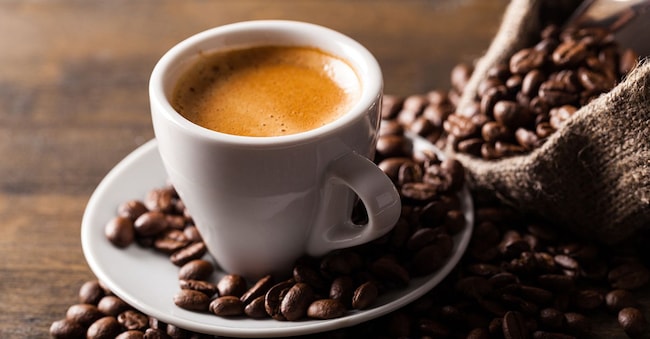
Cup of coffee at the bar
.As a result of these elements, Scocchia further underlines, "the average cost of a cup of coffee at the bar, which is currently rising sharply (+19% compared to 2021 and +3.4% compared to 2024), shows great disparity between cities: Benevento and Bolzano stand at around 1.5 euro, while Catanzaro at 1 euro. It is expected,' concludes Illycaffè's CEO, 'that the persistent bullish trend of the raw material may cause a further increase.
Unimpresa: since 2020 cup price +40%, approaching 2 euro
The average price of a cup of espresso coffee at the bar in Italy could reach EUR 2 by the end of 2025, an increase of more than 50 per cent compared to 2020. The price increase also emerges from a report by the Centro studi di Unimpresa, according to which in the last five years the cost of coffee has risen from 0.87 to over 1.30 euro, peaking at 1.43 euro in some northern cities. At the root of the price rises are climate changes that have reduced harvests in Brazil and Vietnam, rising energy and logistics costs, inflation, and new EU environmental regulations. However, the Italian market remains solid, with annual consumption of 327 million kilos of green and a total value of EUR 5.2 billion, set to exceed EUR 6 billion by 2030. "For Italian consumers the issue is not only economic. Coffee accounts for less than one per cent of annual household expenditure, but has an enormous symbolic value. For producers and distributors, the challenge is instead to defend margins, which are increasingly squeezed by costs, by focusing on the premium and single-serving segments that offer profitability of up to 60%. It is no coincidence that several companies are experimenting with alternatives to traditional coffee, from chickpeas to date seeds, in order to respond to climate challenges and reduce dependence on tropical crops,' comments Unimpresa Director General Mariagrazia Lupo Albore. The soaring price of coffee is the result of a concatenation of factors. At the root are the increasingly visible effects of climate change: persistent droughts in Vietnam and torrential rains in Brazil - countries that together produce about half of the world's coffee - have reduced harvests and destabilised supply. In 2024, the price of raw beans rose by up to 80%, while Arabica futures hit record levels, fuelled by speculation. Added to this was the increase in energy costs, with gas and electricity weighing heavily on the roasting phase, and that of international logistics, burdened by congestion at strategic ports such as Suez and the doubling of sea freight rates. Inflation has had a further impact, inflating packaging and labour costs, and financial speculation has accentuated market volatility: in 2024 Robusta futures exceeded USD 4,000 per tonne, and in August 2025 Arabica was close to USD 360 per pound, an annual increase of more than 40%. Lastly, new European regulations against deforestation have imposed traceability systems and certifications on importers, which strengthen environmental sustainability but also entail additional costs, especially for small producers, which are cascaded onto final price lists. For Unimpresa, 'it is the combination of all these elements that makes the race towards EUR 2 per cup by the end of 2025 plausible'.

