Market

Suburbs: prices in Turin are up to 56 per cent lower than in the city centre

by the Real Estate Editorial Team

Aggiungi Il Sole 24 Ore
ai preferiti su Google
4' min read

Translated by AI
Versione italiana

4' min read

Translated by AI
Versione italiana

The distance between the city centre and the outskirts continues to have a significant impact on house prices in Italy’s major cities, though there are marked differences from one market to another. Whilst in Turin, Milan and Rome, choosing to buy a home in the outlying areas can result in savings of over 50 per cent, in other cities the financial benefit is considerably more modest, almost to the point of being negligible in the case of Bari. In terms of rentals too, the outskirts are on average more affordable, with rent reductions reaching 41 per cent in the capital.

This is the finding of a study by Immobiliare.it Insights, a company specialising in market analysis and data intelligence within the Immobiliare.it group, which compared sale prices and rental rates in the central and outlying areas of eleven Italian cities.

Loading...

Buying and selling

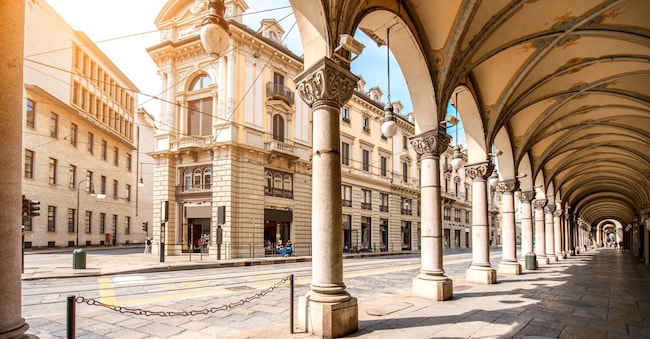
In the property market, Turin has the highest percentage difference between the city centre and the suburbs, at 56 per cent. In the central areas of the Piedmontese capital, the average asking price reaches €4,051 per square metre, whilst in the outlying areas it falls to €1,778. This difference of €2,273 per square metre, when applied to a 100-square-metre property, equates to a theoretical saving of over €227,000.

Next come Rome and Milan, both with a gap of around 53 per cent. In the capital, prices range from 7,724 euros per square metre in central areas to 3,620 euros in the suburbs, a difference of 4,104 euros. The gap is even more substantial in absolute terms in Milan, where buying in the city centre costs an average of €9,841 per square metre, compared with €4,671 in outlying areas. The price difference therefore amounts to €5,170 per square metre, corresponding to approximately €517,000 for a property of 100 square metres.

The gap remains particularly pronounced in Genoa and Verona as well. In the capital of Liguria, average prices have fallen from €3,069 to €1,573 per square metre, a reduction of 49 per cent, whilst in the Venetian city they have dropped from €4,182 to €2,165, representing a saving of 48 per cent.

The differences observed in Naples were more modest, though still significant: the average price ranges from 3,868 euros per square metre in the city centre to 2,461 euros in the suburbs, a fall of 36 per cent, and in Palermo, where prices fall from €1,985 to €1,302, a drop of 34 per cent. In Florence, the saving stands at 31 per cent, with prices of €5,845 and €4,055 per square metre respectively.

The financial advantage is even smaller in Bologna, where the difference stands at 26 per cent, and in Catania, where it is just 16 per cent. Bari, on the other hand, is the most unusual case in the survey: buying in central areas costs an average of 2,440 euros per square metre, just ten euros more than the 2,430 euros asked for in the suburbs. This is essentially a negligible difference, which sets the Apulian capital apart from the other cities analysed.

Rentals

The ranking changes when the rental market is taken into account. In this case, Rome records the greatest saving, at 41 per cent, with average rents falling from 28.4 euros per square metre per month in the city centre to 16.7 euros in the suburbs.

For an 80-square-metre flat, the difference amounts to around 936 euros a month, or over 11,200 euros a year, assuming rents remain constant and the floor area is the same.

Turin comes in second place, where renting in outlying areas means spending on average 38 per cent less than in the city centre: rents range from 16.8 to 10.4 euros per square metre. Next comes Florence, with a 32 per cent reduction and rents falling from 24.7 to 16.7 euros per square metre.

Loading...

In Milan, Naples and Palermo, the saving stands at around 31 per cent. In the Lombard capital, the average rent charged ranges from 28.4 euros per square metre in the city centre to 19.7 euros in the suburbs. For an 80-square-metre flat, this represents a difference of around €696 a month, amounting to over €8,300 a year.

In Naples, rents have fallen from 18.1 to 12.5 euros per square metre, whilst in Palermo they have dropped from 11 to 7.6 euros. In Genoa, the difference is 29 per cent, with figures of 14 and 9.9 euros per square metre respectively.

Rents have fallen to 23 per cent in Catania and 21 per cent in Bari. Verona and Bologna bring up the rear, both with a 15 per cent reduction in rents compared with central areas. In Verona, rents have fallen from 13.5 to 11.5 euros per square metre, whilst in Bologna they have dropped from 18.1 to 15.4 euros.

Accessibility

“Affordable housing is now one of the main challenges facing the property market, particularly in large cities, where the cost of housing represents a significant barrier for many families. In this context, location plays a key role not only in determining prices, but also in the practical possibility of accessing the market,” observes Paolo Giabardo, managing director of Immobiliare.it.

According to Giabardo, outlying areas can broaden the pool of people able to buy or rent a home by offering more affordable alternatives. This opportunity, however, varies significantly from city to city, drawing a distinction between markets characterised by particularly wide price gaps and those where even central areas have relatively more affordable prices.

Copyright reserved ©
Loading...

Brand connect

Loading...

Newsletter RealEstate+

La newsletter premium dedicata al mondo del mercato immobiliare con inchieste esclusive, notizie, analisi ed approfondimenti

Abbonati