History and innovation of Peruvian high-end textiles showcased in Milan
The Peru Moda Deco event brought companies and designers from the country to the city, including responsibly sourced fibres, community enhancement and unique handicrafts

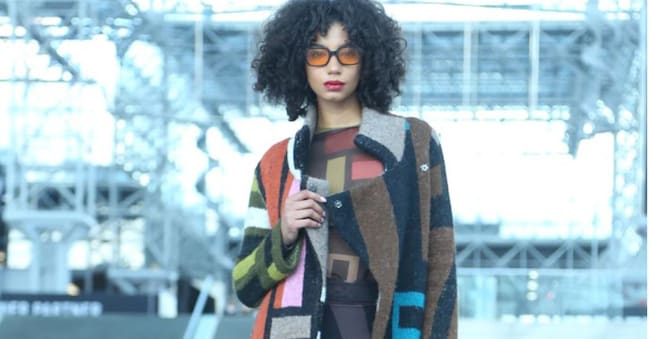
A true economic and cultural mission, the one organised by PromPeru in Milan during Women's Fashion Week at the end of September, where the collections for spring-summer 2026 were presented. Christened Peru Moda Deco, the initiative brought designers and companies from the South American country to present themselves and meet buyers and representatives of Italian companies at the Hotel Meliá and the Guffanti Concept Showroom, a space that has always stood out as a showcase for research brands. There was also an event at Imarika, one of Milan's most original multi-brand stores.
'Prom Peru promotes investment and the expansion of Peruvian offerings that we consider exportable in Italy,' explains Joan Manuel Barrena, director of PromPeru for our country and for Spain. 'With Peru Moda Deco we wanted to focus on the internationalisation of companies in the clothing and home décor sector, and we thought Milan was the most suitable place to develop business and trade alliances.
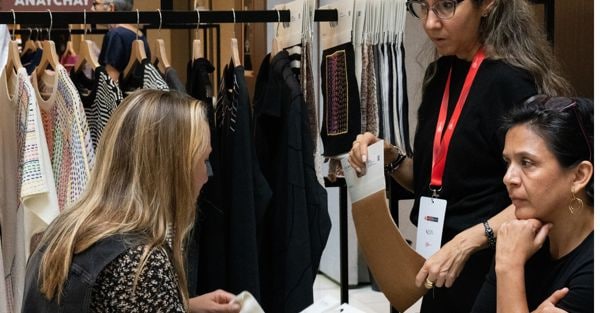
These objectives were confirmed by Melissa Cabrera, of Peru's Peruvian commercial office in our country, who emphasised the potential of clothing and accessories brands inspired by an idea of sustainable luxury, both from a social and environmental point of view: 'Luxury, in Italy, Europe and the world, no longer means only exclusivity. I believe that more and more people are looking for values of uniqueness and craftsmanship, as was confirmed by the buyers of the multi-brand shops we met, all enthusiastic about the creative content of the collections, which go well beyond an idea of South American folkloric craftsmanship that is now outdated'.
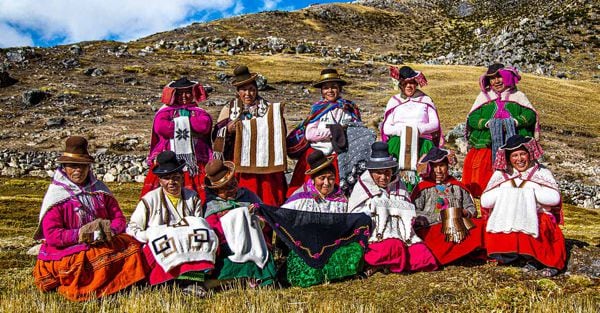
The mission showed the two faces of Peruvian textile-clothing: on the one hand the excellent raw materials, primarily alpaca and Pima cotton, produced with responsible processes, and on the other hand the creativity of local designers, also committed to preserving ancient knowledge and tradition.
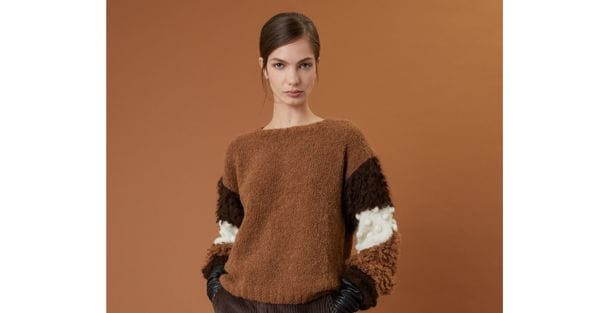
Among the designers and brands that exhibited and showcased their collections were Annaiss Yucra, known for its 'artivism' approach, and Balkanica, which stands out for clothes and accessories that reinterpret pre-Columbian art. The brand has become extremely famous and popular in the capital Lima and is now targeting European concept stores. Also interesting is the emerging brand Agustina, which combines traditional embroidery and contemporary design.